The Best Things to Do in Tuscany, Italy
A FORA travel advisor's guide to Tuscany from a part-time Florence resident: Val d'Orcia drives, Chianti and Brunello tastings, San Gimignano towers, cooking with a nonna, the right agriturismo, and what to skip.
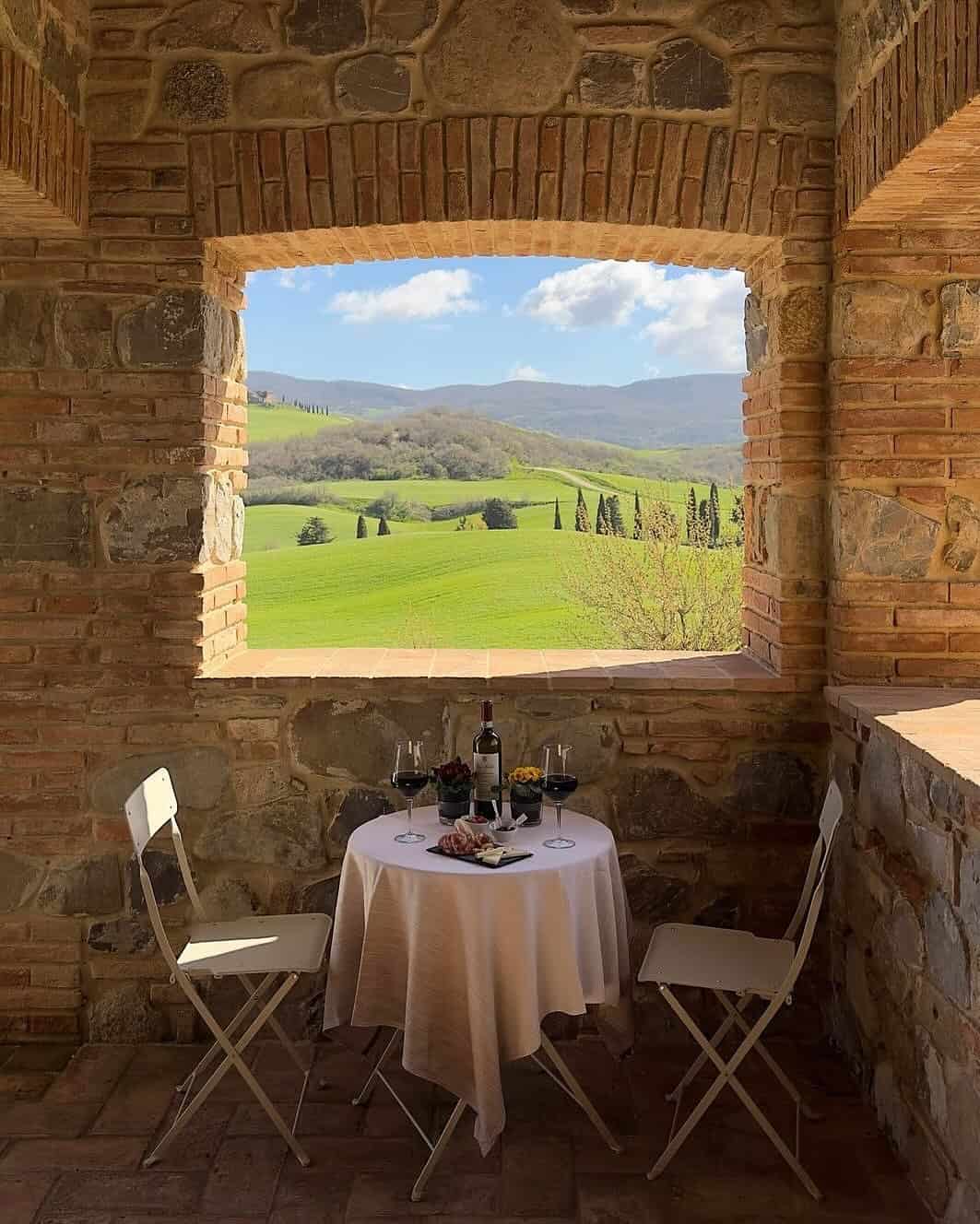
The best things to do in Tuscany Italy start here. I live part-time in Florence, and Tuscany is the region I send clients to when they want the version of Italy that everyone pictures in their head: cypress trees, rolling hills, a Brunello cellar at sunset, a long lunch at an agriturismo that turns into the afternoon. The trick is knowing which Tuscany you actually want. Chianti is the easy postcard Tuscany. Val d'Orcia is the more cinematic, hilltop-town Tuscany. The Maremma coast is the secret one Italians keep to themselves.
I have spent months in Tuscany over the past three years, both as a part-time Florence resident and as a FORA travel advisor scouting hotels, wineries, and cooking classes for clients. I have driven the Val d'Orcia at sunset more times than I can count. I have soaked at Terme di Saturnia. I have eaten lunch at agriturismi with the same family running them for four generations. This is the post I wish I had handed my first clients before they went, an honest list of what to do, what is worth your time, and what to skip.
Below are the 12 best things to do in Tuscany ranked by what I would actually do first, with my framework for picking the right sub-region, the hotels I book for clients, and how to time the trip so you catch vendemmia or the olive harvest. If you only have time to read one Tuscany post before booking, this is the one.
"Tuscany is the rare place where the postcards are not exaggerating. You drive over a hill, the cypresses appear, the church bell rings in the village below, and you understand exactly what everyone has been talking about for the last 600 years."
The Quick Picks: Tuscany at a Glance
If you are skimming, here is the shortlist of what is actually worth your time in Tuscany. The full ranked list with my honest takes is below.
Tuscany's Top Experiences by Type
Tuscany by Sub-Region: The Framework I Use
The single biggest mistake first-time visitors make is treating Tuscany as one place. It is enormous, and the regions inside it feel completely different. Here is the framework I use with every client before we pick a base.
The classic Tuscan landscape between Florence and Siena, all olive groves and stone farmhouses. Greve, Castellina, and Radda are the wine towns. This is where I send first-timers and anyone who wants Tuscany without driving far from Florence.
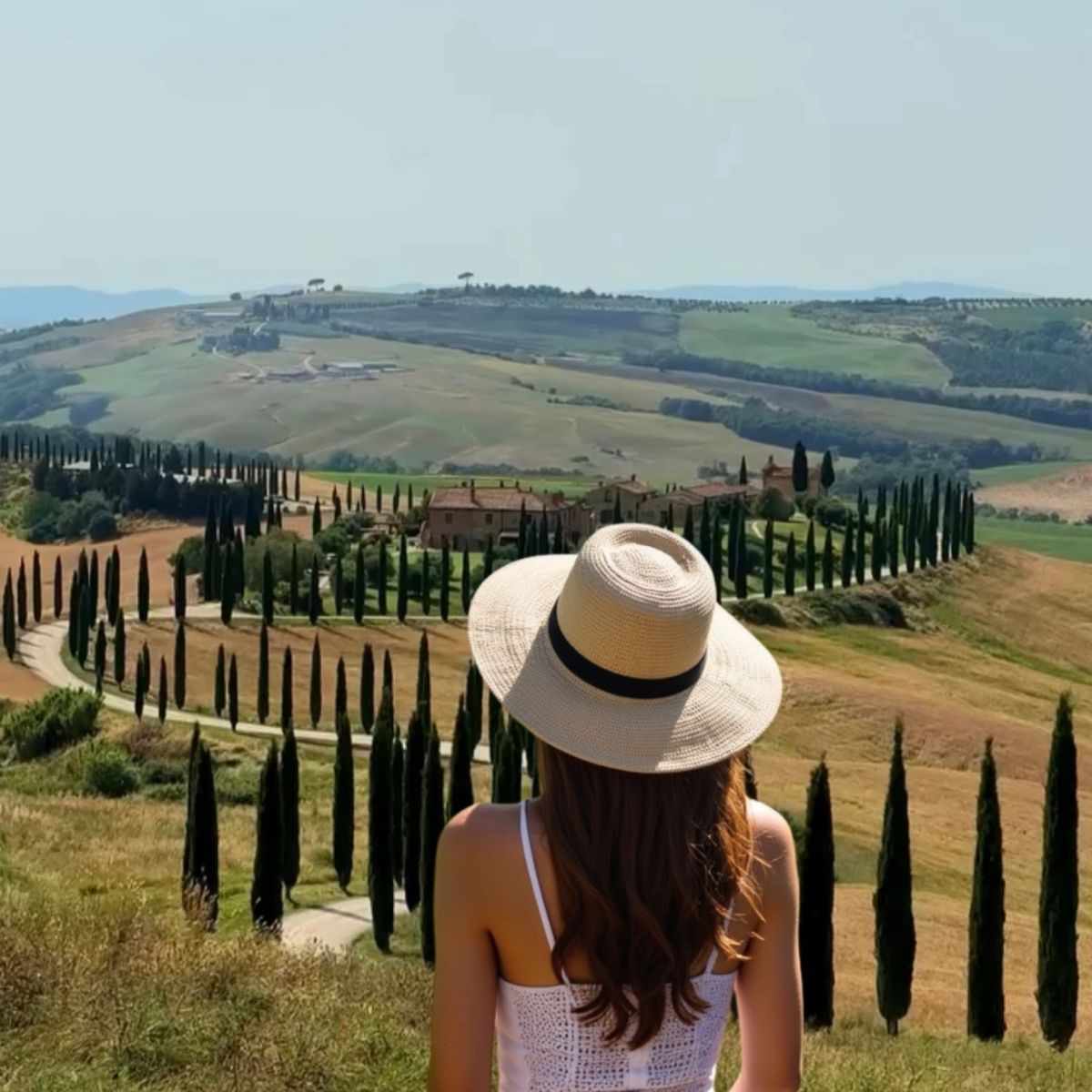
The cypress-lined hilltop-town Tuscany you see in movies. Pienza, Montalcino, Montepulciano, San Quirico. Brunello country. More dramatic, less crowded, and the better choice if you have already been to Chianti.
The Tuscan coast and inland hills south of the Val d'Orcia. Terme di Saturnia hot springs, Etruscan ruins at Sovana and Pitigliano, beaches at Capalbio. Almost no Americans. The Tuscany Italians keep for themselves.
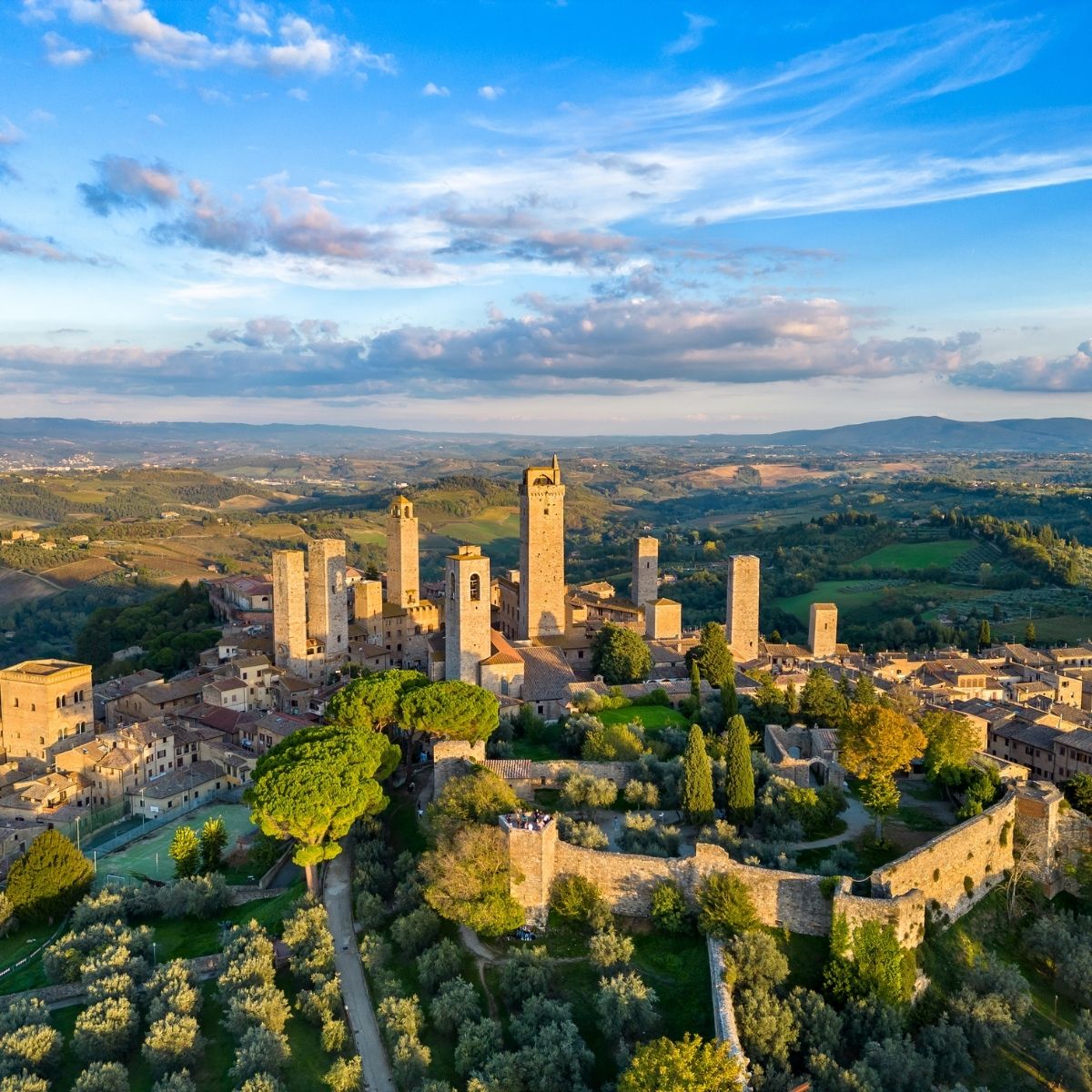
Medieval hilltop towns west of Chianti, including San Gimignano, Volterra, and Monteriggioni. The towers of San Gimignano are worth a half day. Pair with a Vernaccia tasting at the source.
The forested, Apennine-foothills Tuscany almost no foreign visitors see. Romanesque monasteries, hiking, slow rivers. Skip this on a first trip, book it for a third.
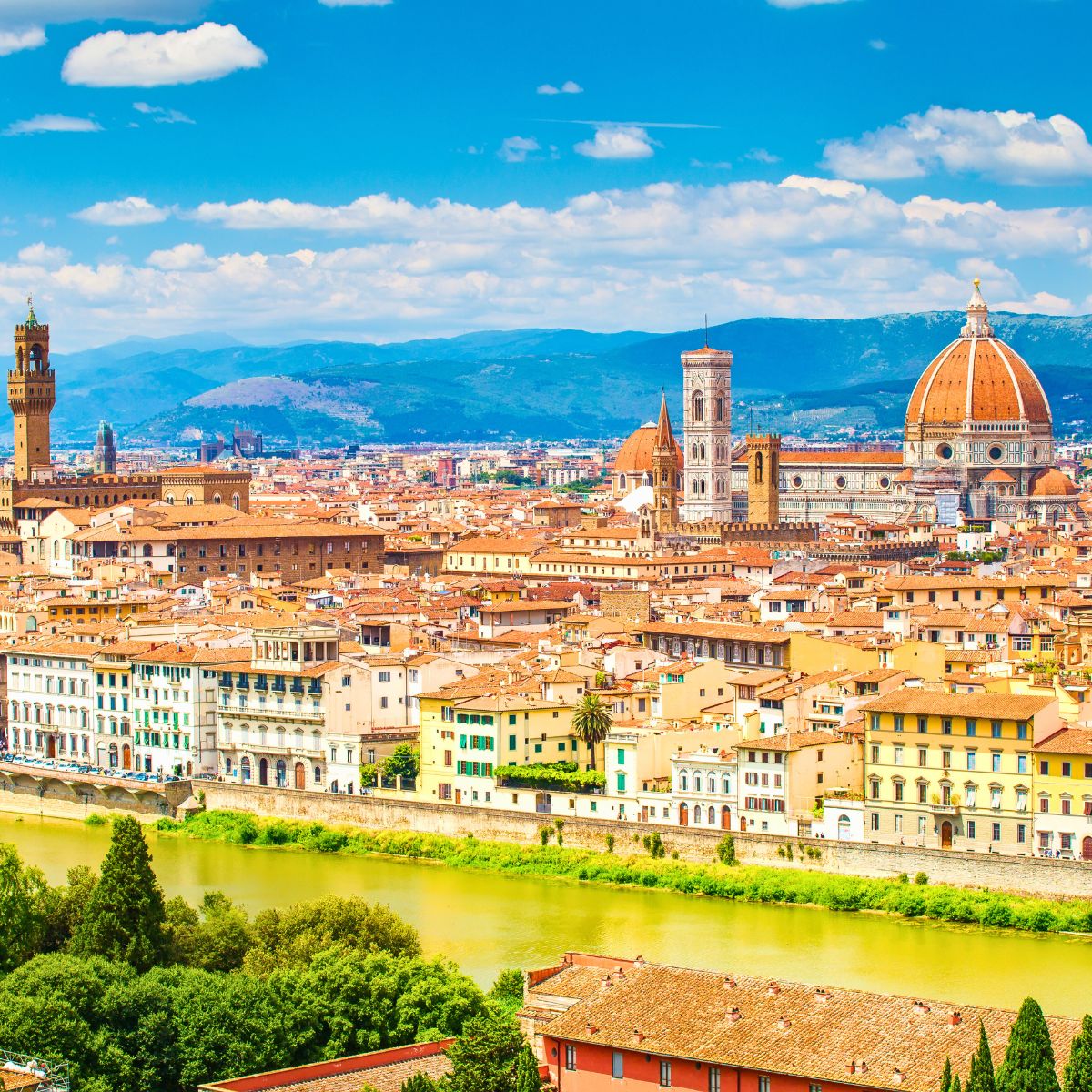
The Renaissance capital and the easiest entry point into Tuscany. Most clients give it 2 to 3 nights at the start of the trip, then move to a Chianti or Val d'Orcia base. See my full Florence travel guide.
My short answer for first-timers: spend two to three nights in Florence, then base in Chianti or the Val d'Orcia for three to four nights and use that as your launchpad for everything else. If you have a full week and have already been to Italy, swap Chianti for the Val d'Orcia and add two nights in the Maremma.
The 12 Best Things to Do in Tuscany
Ranked by what I would actually do first, second, third on a Tuscany trip. Each entry tells you who the experience is for, what the honest tradeoff is, and where my advisor opinion lands. Number one is the thing you build the trip around.
- 01Drive Through the Val d'Orcia. Who it is for: every traveler, especially anyone visiting Tuscany for the first time. The Val d'Orcia is the UNESCO-protected stretch south of Siena that contains every cypress, hilltop town, and rolling vineyard you have ever seen on a Tuscany Pinterest board. Drive the SR2 and the smaller country roads between San Quirico d'Orcia, Pienza, Montalcino, and Bagno Vignoni in the late afternoon. The light at 5pm in October is what people mean when they talk about Tuscan light. Allow at least one full day. The famous lone cypress on the road to San Quirico is worth pulling over for. Park, do not block traffic.
- 02Brunello Tasting in Montalcino. Who it is for: anyone who likes wine and is staying more than three nights. Montalcino is the hilltop town in the Val d'Orcia that produces Brunello, arguably the most serious red wine in Italy. The producers I send clients to range from cult to welcoming: Biondi-Santi (the original Brunello estate, book months ahead), Casanova di Neri, Fattoria dei Barbi, Poggio Antico, and Argiano. Book one or two cellars with lunch in between. Tastings run 35 to 120 euros depending on the producer and whether you taste a Riserva. Hire a driver. The hill roads are tight and the pours are generous.
- 03Visit Florence: Uffizi, Duomo, Oltrarno. Who it is for: every traveler, ideally on the first two or three nights of the trip. Book the Uffizi for the 8:15am entry through the official Florence museum website, not a third-party reseller. Two and a half hours inside is the right amount. After lunch, climb to the top of the Duomo (book Brunelleschi's dome tickets a month ahead) or walk across the Ponte Vecchio into the Oltrarno for an afternoon that locals actually have. The Oltrarno is where I live when I am in Florence, full insider detail in my Florence travel guide.
- 04Wine Tasting in Chianti Classico. Who it is for: every wine drinker, especially first-time Tuscany travelers. Chianti Classico is the rolling vineyard country between Florence and Siena, with Greve in Chianti as the main hub. Drive the SR222 (the Chiantigiana) between Greve and Castellina, stopping at family estates for tastings. Producers I send clients to: Antinori nel Chianti Classico (architectural icon, restaurant on site), Castello di Ama, Felsina, Volpaia, and Castello di Brolio. A half-day tour with two cellars and a lunch is the sweet spot.
- 05Cooking Class with a Local Nonna. Who it is for: every traveler, especially couples and families. The single best thing I have ever done in Tuscany is a half-day cooking class at an agriturismo with the family's grandmother running the kitchen. You go to the market with her, you come back, you make pasta by hand, you sit down at her table and eat what you cooked with a bottle of the family's wine. Most agriturismi run them. The Tuscan Wine School in Florence runs in-city versions. Cost runs 90 to 180 euros per person. Worth more than three museum tickets put together.
- 06Climb the Towers of San Gimignano. Who it is for: first-time Tuscany visitors, families with kids, history travelers. San Gimignano is the medieval skyscraper town between Florence and Siena, with 14 stone towers still standing out of the 72 it had at its peak. Go early (before 10am) or late (after 5pm) to skip the day-tripper buses. Climb the Torre Grossa for the view across the Tuscan countryside. Honest tradeoff: midday it is the most touristed town in Tuscany. Time it right and it is one of the great Italian skylines. Pair with a Vernaccia di San Gimignano tasting at Cantina di Fulignano or Tenuta Torciano.
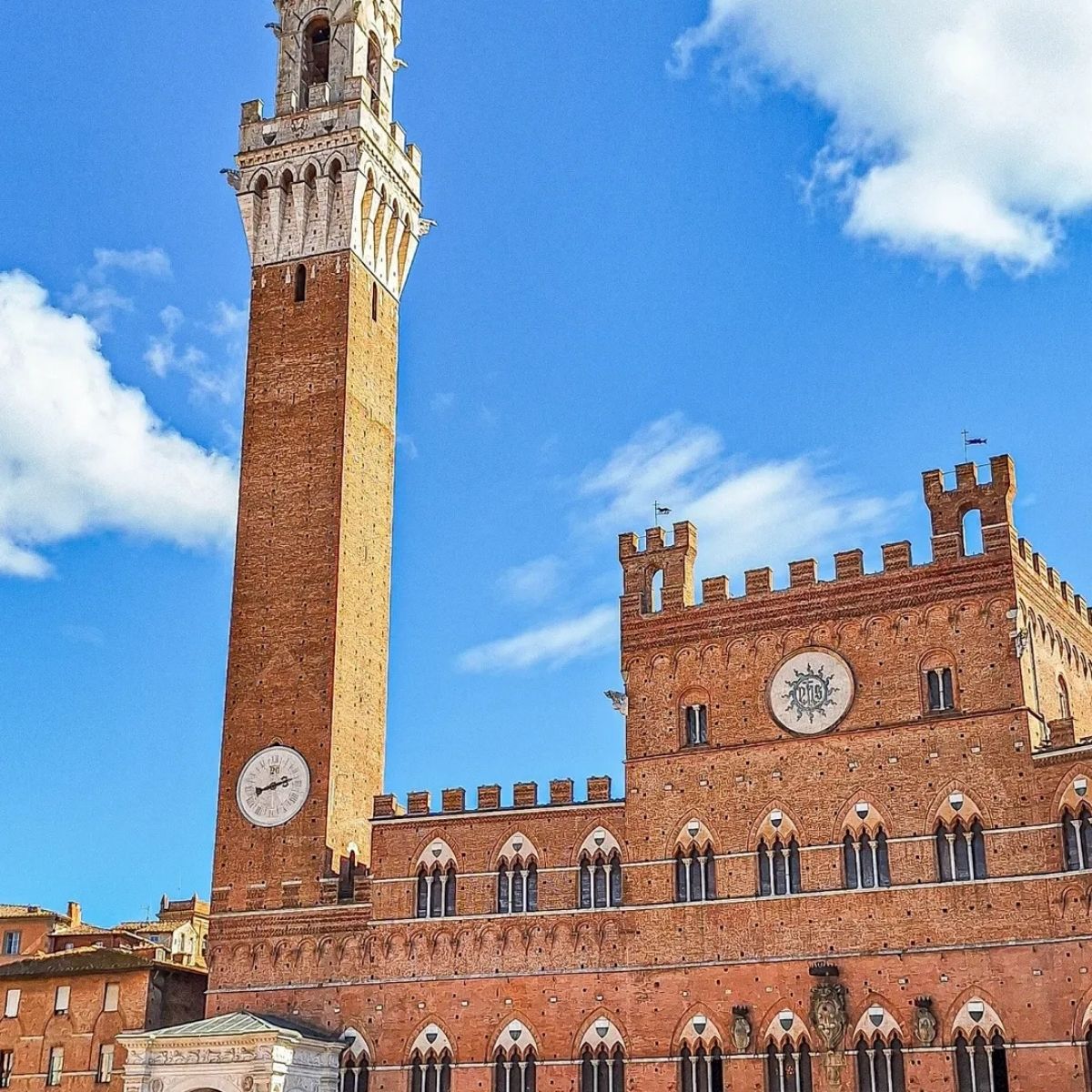
- 07Visit Siena: Piazza del Campo and the Duomo. Who it is for: every traveler. Siena is the medieval Gothic counterpoint to Renaissance Florence, and the city most travelers underrate. Sit on the brick fan of Piazza del Campo with a coffee mid-morning. Visit the Duomo, where the marble floor inlays are the most extraordinary in Italy (some panels only uncover late June through October). Climb the Torre del Mangia for the view. If you are visiting around July 2 or August 16, the Palio horse race takes over the Piazza del Campo. It is one of the great Italian spectacles, book a hotel with a window view six to nine months ahead.
- 08Truffle Hunting in San Miniato or the Crete Senesi. Who it is for: food travelers, couples, families with curious kids. Tuscan truffle hunting is genuine, not a tourist trick. You head into the woods with a local truffle hunter (un tartufaio) and his trained dog, then sit down to a meal where the truffles you found are shaved over fresh pasta. The best season for white truffle is October through December, around San Miniato in particular. Black truffle is available year-round. Expect three to four hours plus the meal, around 150 to 250 euros per person. Book through your hotel concierge or an agriturismo.
- 09Soak at Terme di Saturnia (Maremma Hot Springs). Who it is for: every traveler with three or more nights, especially couples. The Terme di Saturnia cascade is the natural sulphur hot spring in the Maremma where the warm water tumbles over travertine pools at 37 degrees Celsius year-round. The free public cascate (Cascate del Mulino) sit just outside the village of Saturnia and are open 24 hours. Go at sunrise to have them almost to yourself. The five-star Terme di Saturnia resort next door has the same thermal water in private pools with a serious spa. Either works. Bring a dark swimsuit, the sulphur stains light fabrics.
- 10See Pisa (Quick Stop Only). Here is my honest advisor call: the Leaning Tower is genuinely interesting for 20 minutes and the Piazza dei Miracoli is one of the great medieval squares in Italy. The rest of Pisa is a working university city you will not remember. If you are driving between Florence and the coast, build in a two-hour stop, climb the tower if you booked ahead, photograph the Duomo and Baptistery, then keep going. Do not spend the night. Do not book it as a day trip from Florence over Siena or San Gimignano. It is the most overrated thing on a Tuscany Top 10.
- 11Tuscan Olive Oil Tasting (Autumn Harvest). Who it is for: food travelers, anyone visiting between mid-October and late November. Olive harvest (la raccolta) is the second wine harvest in Tuscany, and frantoi (olive mills) across Chianti and the Val d'Orcia open their doors to visitors. You walk the groves, watch the just-picked olives press into bright green oil, then taste it on toasted Tuscan bread (fettunta) with salt. Mills I send clients to include Frantoio Pruneti in Chianti and Frantoio Franci near Montalcino. Pair with a Brunello tasting for the best food and wine day of your trip.
- 12Stay at a Working Agriturismo. Who it is for: every traveler. An agriturismo is a working farm that takes guests, and a real one (not a five-star hotel calling itself an agriturismo) is one of the great Italian experiences. You eat dinner at a communal table, the wine on the table is from the vines you can see, the pasta was made that morning, and the bedrooms are simple and beautiful. Tenuta di Capezzana, Castello di Ama (also a winery), Fattoria San Donato near San Gimignano, and Agriturismo Il Rigo in the Val d'Orcia are four I send clients to. Two nights minimum. One night barely counts.
Where to Stay in Tuscany
Tuscany is one of those regions where the hotel is part of the experience. You are not staying in a city, you are staying on the land. The right property gives you a pool with a Val d'Orcia view, a restaurant pouring the wine from down the hill, and a base you do not want to leave for half of your trip. Here are the six I keep returning to for clients.
Best Hotels in Tuscany
My shortlist of the best Tuscany hotels across Chianti, the Val d'Orcia, and the wider region. I can book any of these through FORA with complimentary VIP perks at no extra cost. For a full list, see my Top Tuscany Hotels guide.
- Chiusdino · Five-Star Relais & Châteaux Borgo Santo Pietro A 13th-century country estate near Siena turned into one of the most extraordinary five-star properties in Italy, with a working farm, a Michelin-starred restaurant (Saporium), a serious spa, and a level of personal service I have not matched elsewhere in Tuscany. This is the honeymoon hotel I send couples to and the place I tell my closest friends to book when they want one knockout week.
- Chianti · Five-Star Belmond Castello di Casole A 10th-century castle on a 4,200-acre Chianti estate, 30 minutes south of Siena. Belmond service, spectacular pool with a view across the Val di Merse, and one of the best fine-dining restaurants in inland Tuscany. The right choice for travelers who want a five-star castle and the space of a private estate.
- Val d'Orcia · Five-Star Rosewood Castiglion del Bosco A 5,000-acre Brunello estate just outside Montalcino with its own working winery, restored medieval village, golf course, and Rosewood-level service. The most extraordinary five-star in the Val d'Orcia. The cellar tour and tasting on property is the easiest world-class Brunello day you will have.
- Tavarnelle Val di Pesa · Five-Star COMO Castello Del Nero A 12th-century castle 30 minutes south of Florence with full COMO Shambhala spa, a Michelin-starred restaurant (La Torre), and the best Chianti hotel for travelers who want contemporary design rather than rustic. The infinity pool over the vineyards is one of the great Tuscany sunset views.
- Montalcino · Five-Star Castello Banfi Il Borgo A Relais & Châteaux castle and borgo on the Castello Banfi wine estate, a serious Brunello producer in its own right. Fourteen rooms inside the castle, a working cellar tour, two restaurants, and a vineyard view from every window. The choice for wine-focused travelers who want to stay inside an estate.
- Cortona · Four-Star Superior Il Falconiere Relais A family-run Relais & Châteaux on a working farm and vineyard outside Cortona, the eastern Tuscany hilltop town from Under the Tuscan Sun. Michelin-starred restaurant, cooking school, and the kind of warm Italian welcome that makes you want to stay an extra night. Best value for serious quality in this guide.
Best Time to Visit Tuscany
Tuscany is a year-round region, but each window has a different character and the harvest months are the ones to plan around. Here is how the calendar actually breaks down for travelers.
Tuscany by Season: What to Expect
My honest call: late September into mid-October is the absolute best window for Tuscany. Vendemmia is winding down, olive harvest begins around October 15, the countryside is still warm enough for pool time at five-star properties, and the light over the Val d'Orcia is at its best. The next best window is mid-May into early June. If you can only travel in summer, build the trip around early mornings and pool afternoons, and dinners later in the evening as the sun is setting to beat the heat. For broader timing logic across the country, my 14-day fall Italy itinerary shows how Tuscany sits inside a longer trip.
How to Get Around Tuscany
Tuscany is the only region of Italy where I tell almost every client to rent a car. The vineyards, the agriturismi, the Val d'Orcia, the Maremma, none of it is reachable by train. The trains work well for Florence, Siena, and Pisa, and that is roughly the limit.
The right move for almost every Tuscany trip. Pick up the car when you leave Florence, return when you head back. Manual transmissions are still the default in Italy, request automatic at booking. International Driving Permit is required for US travelers.
The luxury option, especially for wine days when nobody can drive home safely. I book through Daytrip for door-to-door private drivers between cities and full-day wine country tours.
Florence to Siena is 90 minutes by train, Florence to Pisa is 60 minutes, both via Trenitalia. Trains do not reach the Val d'Orcia, Chianti country roads, or the Maremma. Train then car-rental in Siena is a workable hybrid for non-drivers.
Most travelers fly into Florence (FLR) or Pisa (PSA). Rome (FCO) works if Tuscany is the second half of a trip, the train from Rome to Florence is 90 minutes. Always book private transfers for arrival day. Driving after a transatlantic flight is the easiest way to ruin a Tuscany trip.
Browse the best tours and experiences in Tuscany, from half-day Chianti wine drives to small-group Brunello tastings and cooking classes in a Florentine kitchen. Use code TRAVELINGBALANCED5 for 5% off any booking.
Insider Tuscany Tips
Skip Pisa unless it is a drive-by. Twenty minutes for the photo, climb the tower if you booked ahead, get back in the car. The hours and dinner reservations belong to Siena, San Gimignano, or the Val d'Orcia. This is the single most common itinerary mistake first-timers make.
Book Brunello tastings two to three months ahead. The serious producers (Biondi-Santi, Casanova di Neri, Soldera) do not take walk-ins and Saturdays book out first. I always sort cellar appointments before I confirm hotels.
Time the Val d'Orcia for October or May. The cypress-and-rolling-hills postcard look only exists when the wheat fields are green (April-May) or the earth is freshly ploughed amber (late September-October). July and August it is brown and dusty. The timing is non-negotiable for the photos in your head.
Stay at an agriturismo for at least two nights. One night is a hotel stop, two nights is the actual experience. You need a full day with the property to swim, walk the vineyards, eat the dinner, sleep in, and have the second morning where nothing is scheduled.
Eat your bistecca alla Fiorentina rare. The Florentine T-bone is the regional dish, served seared on the outside and very rare in the middle. Asking for it medium or well-done is genuinely offensive in good Tuscan restaurants. Order it for two people, ask for the kilo, share it with a bottle of Chianti.
Pack layers, even in summer. Tuscan hill country drops 10 to 15 degrees Celsius after sunset, even in July. A light sweater or wrap for dinner on the agriturismo terrace is non-negotiable.
Tuscany Travel FAQs
The questions clients ask before every Tuscany trip, answered from a travel advisor who lives part-time in Florence.
The single best thing to do in Tuscany is a slow drive through the Val d'Orcia in the late afternoon, with a Brunello tasting in Montalcino on one end and dinner at an agriturismo on the other. That one day captures every reason people fall for Tuscany, the cypress-lined roads, the hilltop towns, the wine, and the rhythm of dolce far niente. For first-timers, pair it with a half day at the Uffizi in Florence and a Chianti wine drive between Greve and Castellina.
Five to seven nights is the right amount of time for Tuscany. Three nights covers Florence and a Chianti day. Five nights lets you add the Val d'Orcia, Montalcino for Brunello, and Siena. Seven nights opens up San Gimignano, the Maremma coast for Terme di Saturnia, and a working agriturismo stay. Fewer than three nights and you are racing past everything that makes Tuscany worth visiting. See my 7-day Tuscany itinerary for the exact day-by-day routing.
Tuscany ranges from very affordable to seriously expensive depending on the season and what you book. A mid-range agriturismo runs 180 to 280 euros a night in Chianti or the Val d'Orcia. Five-star properties like Borgo Santo Pietro, COMO Castello del Nero, and Rosewood Castiglion del Bosco start around 1,000 euros a night in high season. Lunch at a Chianti trattoria with wine is 30 to 45 euros a person. Brunello cellar tastings range from 35 to 120 euros depending on the producer.
Late September through mid-October is the best window for Tuscany. The summer crowds have cleared, vendemmia (the wine harvest) is in full swing, the olive harvest starts in mid-October, and the light over the Val d'Orcia turns amber in the late afternoon. The second best window is May into early June when the wildflowers are out and temperatures sit in the low 70s. July and August are hot, busy, and the high season for hotel pricing, build the trip around early mornings and late dinners if you must go then.
It depends on what you want. Chianti, the rolling vineyard country between Florence and Siena, is the iconic Tuscan landscape and the easiest base for first-timers. The Val d'Orcia south of Siena is the cypress-lined, hilltop-town Tuscany you see in postcards, with Montalcino and Pienza inside it. The Maremma on the southern coast is the under-the-radar Tuscany with hot springs, beaches, and almost no Americans. For a first trip, base in Chianti or the Val d'Orcia, then add Florence for art and Siena for the medieval city.
Tuscany Things to Do Guide Summary
- Best Time to VisitLate September to mid-October for vendemmia and olive harvest, or May to early June for spring
- Recommended Stay5 to 7 nights · 2-3 nights Florence plus 3-4 nights in Chianti or the Val d'Orcia
- Top ExperiencesVal d'Orcia drive · Brunello in Montalcino · Cooking class with a nonna · Chianti wine day · San Gimignano · Terme di Saturnia
- Best HotelsBorgo Santo Pietro · Rosewood Castiglion del Bosco · Belmond Castello di Casole · COMO Castello del Nero · Castello Banfi · Il Falconiere
- Skip ThisOvernight in Pisa. Make it a 20-minute drive-by. Spend the night in Siena or the Val d'Orcia instead
- Must-Eat & DrinkBistecca alla Fiorentina rare · Pici al ragù · Pecorino di Pienza · Brunello di Montalcino · Chianti Classico Riserva
- Book in AdvanceBrunello cellar tastings 2-3 months out · Uffizi 8:15am entry · Borgo Santo Pietro 6 months ahead
- VIP Hotel PerksBook through me for complimentary breakfast, upgrades, and resort credits at no extra cost
Tuscany on the Map
The interactive map below shows hotels across Tuscany, from Florence down through Chianti, the Val d'Orcia, and the Maremma. Use it to plan your routing and check availability for your dates.
Quick Travel Resources
Everything I personally use and recommend to make your Tuscany trip smoother, from booking tools to insurance.
I book Tuscany hotels with complimentary upgrades, breakfast, and resort credits, at no extra cost to you.
Book With MeThe travel insurance I use myself. Covers trip cancellations, medical, lost luggage, and delays.
Get a QuoteBrowse my handpicked Tuscany experiences, Chianti wine tours, Brunello tastings, cooking classes. Use code TRAVELINGBALANCED5 for 5% off.
Browse Tuscany ToursMy go-to for airport transfers and private wine country drivers across Chianti and the Val d'Orcia. Flat rates, English-speaking drivers.
Book a TransferMy free guide to Italy's five most underrated destinations, the places I send clients when they want to go deeper than the obvious circuit.
Get the eBookLet me plan your entire Italy trip, hotels, transfers, tours, restaurant reservations, every detail handled.
Learn MoreFinal Thoughts: Planning Your Tuscany Trip
Tuscany is the region I send clients to when they want the version of Italy that everyone has in their head before they go. It is also the region where the wrong itinerary will leave you exhausted and wondering what the fuss was about. The version that disappoints people is the seven-day blur of Florence, Pisa, Lucca, Cinque Terre, Siena, and the Val d'Orcia in one trip. The version that changes your sense of Italy is two or three nights in Florence, then a slow base in Chianti or the Val d'Orcia where you do one beautiful thing a day and leave room for nothing.
Build it that way, pick the sub-region that matches what you actually want, book the Brunello cellars and the agriturismo cooking class months ahead, and Tuscany will give you the slow, generous, unhurried week that taught me what dolce far niente actually means. For a longer Italy trip that includes Tuscany alongside Rome and the Amalfi Coast, my Italy honeymoon itinerary shows how the regions fit together. For the same routing without the honeymoon angle, my Italy honeymoon guide is the broader pick.
More Italy Resources
Everything you need to plan the rest of your Italy trip, from itineraries to the best hotels across the country.