The Ultimate Venice Travel Guide
Hotels, restaurants, top attractions, getting around, the day-tripper fee, and every insider tip you need for an unforgettable trip to the City of Canals.
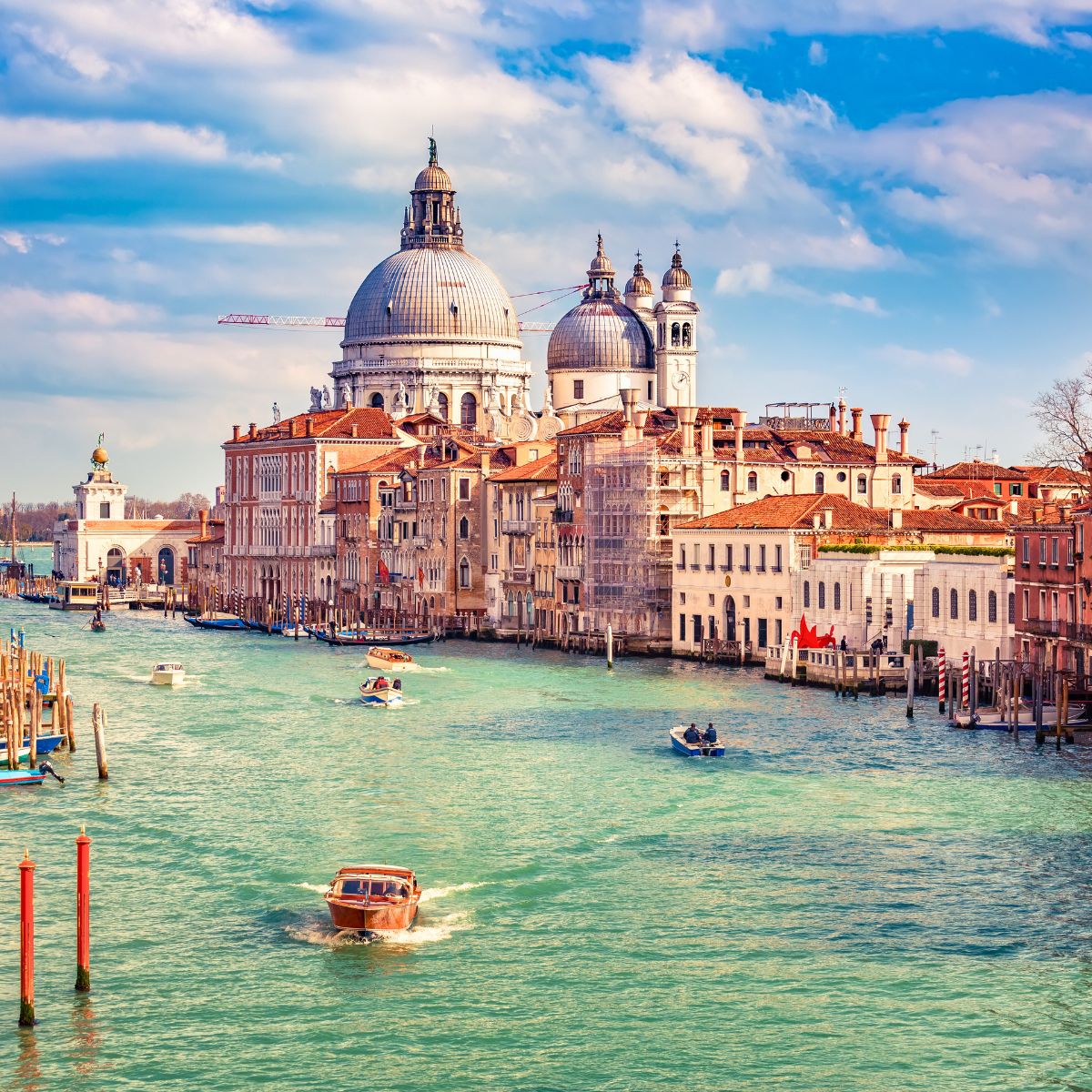
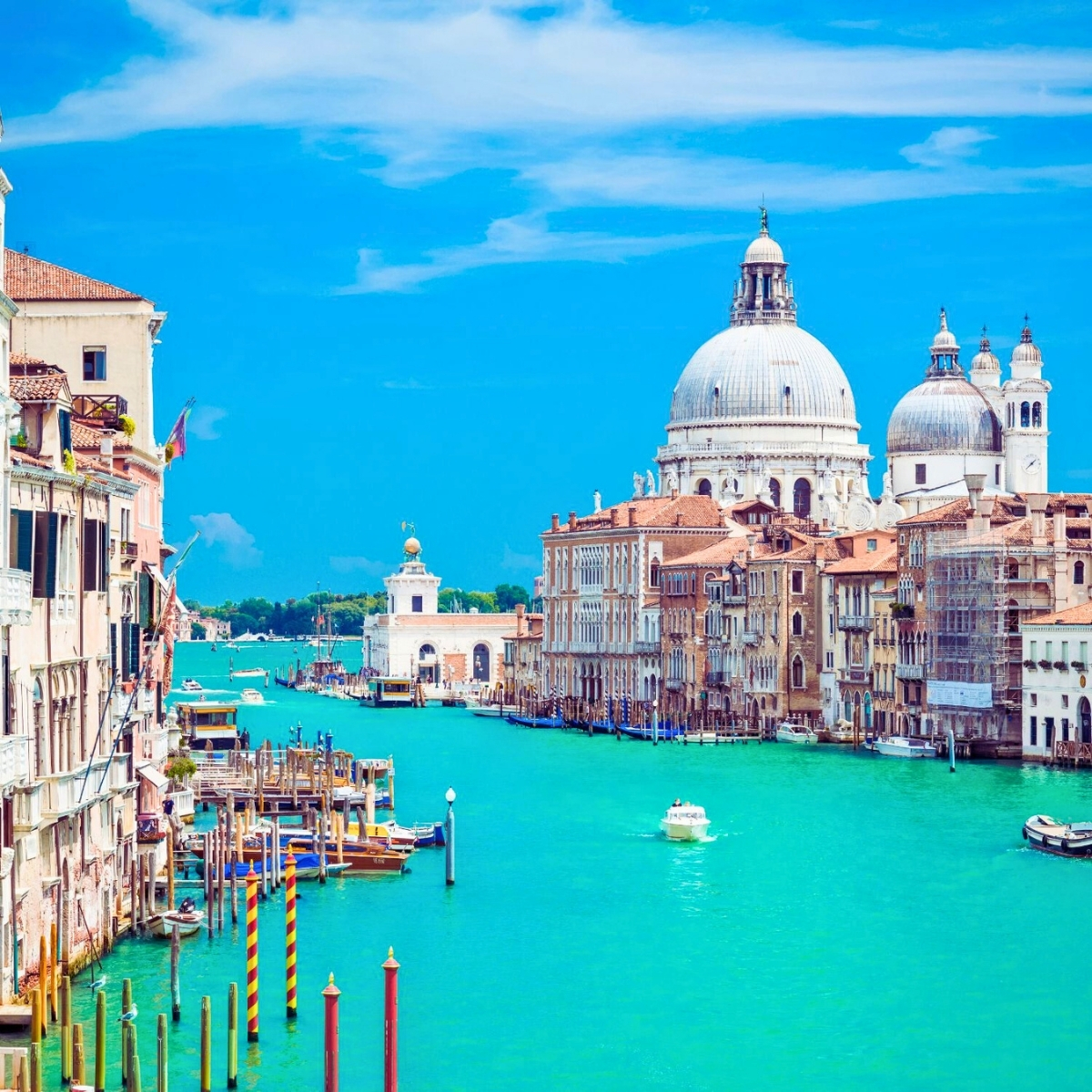
There are cities you visit, and then there are cities that visit you back, cities that rearrange something inside you and don't let go. Venice is unmistakably, irreversibly the second kind. No photograph prepares you for it. No description captures the specific disorientation of stepping out of Santa Lucia train station and finding, in place of a taxi rank, a shimmering expanse of water threading between Renaissance palaces.
Venice is one of those travel paradoxes: endlessly photographed, infinitely written about, and yet somehow still capable of stopping a first-time visitor completely in their tracks. Because when you're actually standing on the Rialto at 7am, before the crowds arrive, with mist rising off the Grand Canal and the market boats unloading beneath you, no amount of Instagram preparation quite covers it.
This guide covers everything: how to get there, when to visit, the best hotels in Venice from splurge-worthy palazzos to boutique canal hideaways, the top things to do, where to eat (properly, like a local), the best coffee shops, photo spots, the tourism day-tripper fee explained, and the travel tips that make the difference between a chaotic week and a seamless one.
"Venice doesn't need you to be ready for it. It arrives on its own terms, and that's precisely the point."
How to Get to Venice
Getting to Venice involves a slightly different calculation than most Italian cities, because Venice proper has no roads, and the logistics of arrival shape your first impression completely.
Venice Marco Polo Airport (VCE) is the main gateway, about 20 minutes by water taxi or 30–40 minutes by shuttle bus to central Venice. Treviso Airport (TSF) serves budget carriers and is roughly 1 hour away. The water taxi from VCE is the most atmospheric arrival, and the most expensive.
Venice Santa Lucia station sits right on the Grand Canal, one of the world's great train arrival moments. Direct services run from Milan (2h15), Rome (3h30), Florence (2h), and Bologna (1h40). Arriving by train is the recommended approach: the walk out of Santa Lucia onto the waterfront is unforgettable.
Cars aren't permitted in Venice. Park at one of the large car parks near Piazzale Roma or in Mestre on the mainland, then continue by vaporetto or on foot. Tronchetto parking island also has ferry connections. Pre-book your spot in peak season.
A private water taxi transfer from the airport is the most elegant arrival in Venice, your driver meets you at the dock and delivers you directly to your hotel's canal entrance. Worth it for a special occasion or when arriving with luggage.
Best Time to Visit Venice
Venice has a genuinely different personality in each season, from the fog-wrapped stillness of winter to the frenetic energy of a July weekend. Here's how each period plays out:
Venice by Season: What to Expect
My honest recommendation: late September through mid-October is the sweet spot. The summer crowds have departed, hotel rates soften, the light turns amber and cinematic, and you can actually linger on the Rialto without being jostled. If you're visiting in winter, go during Carnival (typically February), Venice in costume, half-shrouded in mist, is genuinely otherworldly.
How Many Days to Stay in Venice?
Venice is compact but surprisingly layered. Here's a practical guide to how long you actually need:
- 1 day: Suitable for a cruise stopover or day trip from another Italian city. Hit St. Mark's Square, the Rialto, and a gondola or traghetto ride. You'll see Venice; you won't feel it.
- 2–3 days: The sweet spot for first-timers. Covers the major landmarks, St. Mark's Basilica, Doge's Palace, the Rialto Market, plus a gondola ride, a proper dinner or two, and time to wander.
- 4–5 days: Allows you to add Murano (glass-making), Burano (the colorful houses), and Torcello (ancient cathedral), as well as Venice's quieter neighborhoods like Dorsoduro and Cannaregio.
- 5+ days: For those who want to slow down, find their bacaro, discover the quiet hours after 7pm when day-trippers leave, and feel the city rather than just see it. This is the Venice I recommend.
The Venice Day-Tripper Tourism Fee, Explained
Venice introduced a formal day-tripper access fee to manage the enormous volume of visitors who arrive each day without staying overnight. Here's exactly how it works:
- Who pays: Day-trippers only (visitors who enter Venice but don't stay overnight). Overnight hotel guests are exempt, they pay a nightly city tax through their accommodation instead (3–10 euros per person, per night, depending on hotel star rating).
- When it applies: On designated high-traffic days between 8:30 AM and 4:00 PM (typically weekends and public holidays in peak months).
- Fee amount: 5 euros per person, paid in advance. If payment is made within four days of your visit, the fee rises to 10 euros.
- How to pay: Online in advance via the official Venice Unica portal. You receive a QR code to show at entry points including the train station and Piazzale Roma.
- Key point: Even a few hours in Venice without staying overnight still requires payment on fee days. Check the official calendar on the Venice Unica site before you visit.
Getting Around Venice
Navigating Venice is one of the great joys of visiting, and one of the great confusions. There are no roads. The city's 118 islands are connected by 400+ bridges and a network of canals. Here's how to move through it all:
The main public transport system. Multiple lines cover the city, islands, and the Grand Canal. Buy a 24h, 48h, or 72h unlimited travel pass, far better value than single tickets if you're using it frequently.
The iconic experience, mostly tourist-focused and expensive (~80 euros for 30 min, more after 7pm). Worth doing at least once, particularly through the smaller side canals. Book through your hotel or negotiate directly at the gondola stations.
A shared gondola ferry that crosses the Grand Canal at key points, a fraction of the cost of a private gondola. Locals use them daily. Standing crossing, a genuinely Venetian experience.
Private, fast, and scenic, particularly elegant arriving from the airport. Expensive but worth it for a special occasion or airport transfer with luggage. Always agree the price before boarding.
Most of Venice is pedestrian-only, and walking is genuinely the best way to find it. Download an offline map and get deliberately lost in the quieter calli (alleys). The best Venice moments happen when you're not looking for them.
For island day trips to Murano, Burano, and Torcello, a private guided boat offers far more flexibility than the public vaporetto. Book through your hotel concierge or a trusted local operator.
Venice's Neighborhoods: Where to Base Yourself
Venice is divided into six sestieri (districts), each with a distinct character. Understanding them makes choosing the right hotel far easier.
Home to St. Mark's Square, the Basilica, and the Doge's Palace. The city's most famous address, also its most touristy. Best for guests who want everything at their doorstep and don't mind the buzz.
The neighborhood of the Peggy Guggenheim Collection, the Accademia galleries, and some of the best aperitivo spots in Venice. Quieter than San Marco, with a more local feel.
The city's most residential district, home to the Jewish Ghetto (the oldest in Europe) and excellent cicchetti bars. Quieter at night and more affordable, great for travelers wanting an authentic Venice.
The largest sestiere and one of the least touristy. The Riva degli Schiavoni waterfront is stunning; further east you'll find narrow streets, genuine local trattorias, and almost no crowds.
San Polo is the district of the Rialto Market and some of Venice's best bacari. Santa Croce sits beside Piazzale Roma. Together they offer a vibrant, central base slightly less saturated than San Marco.
Just across from Dorsoduro, Giudecca offers stunning views back toward central Venice and a much calmer pace. Home to the legendary Belmond Hotel Cipriani, for the most exclusive Venice experience imaginable.
Best Hotels in Venice
Venice is home to some of the most extraordinary hotels in the world, former palazzos and Gothic mansions turned into five-star retreats, where waking up to a Grand Canal view or stepping onto a private garden terrace is simply part of the morning routine.
No. 1 · The Pinnacle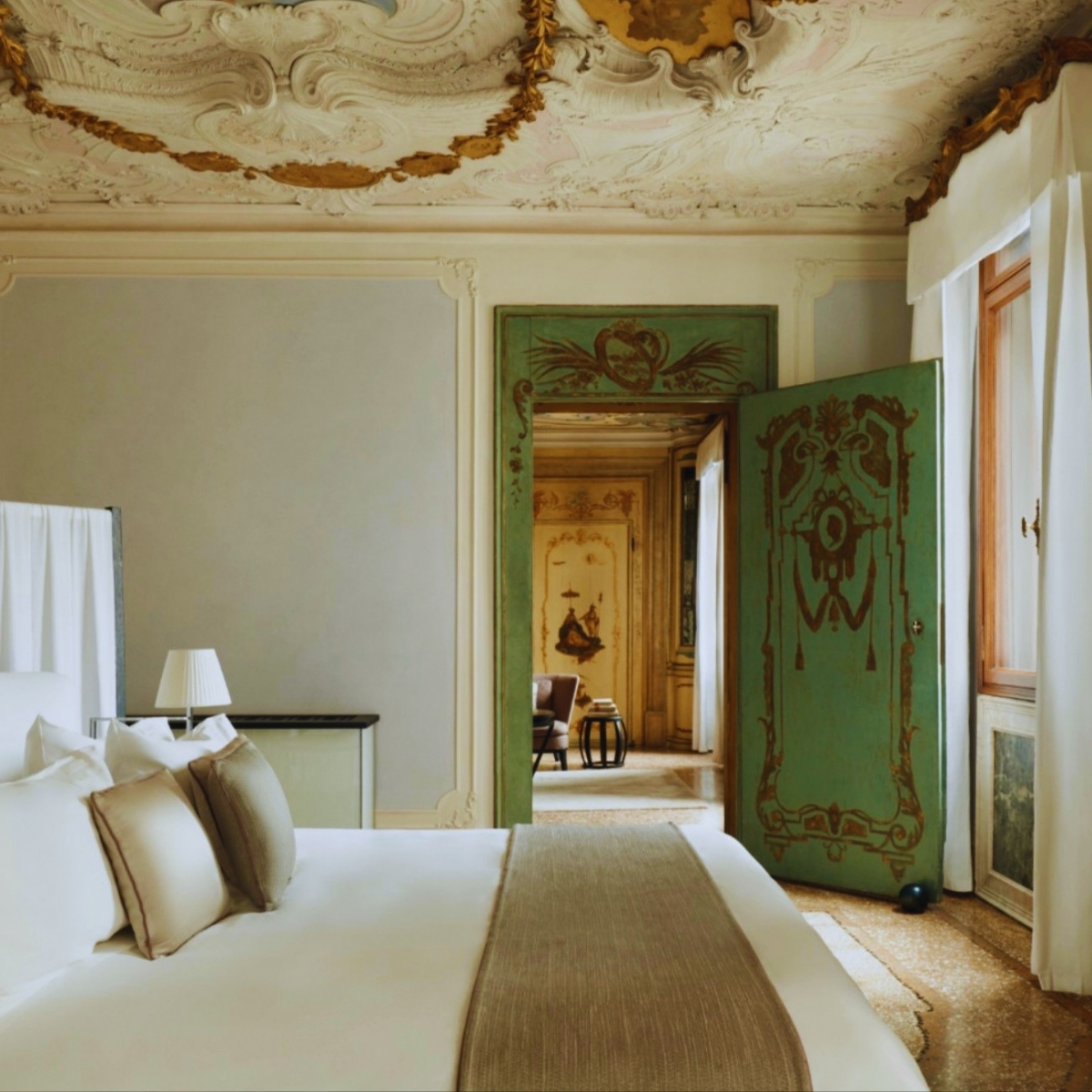 Most Extraordinary
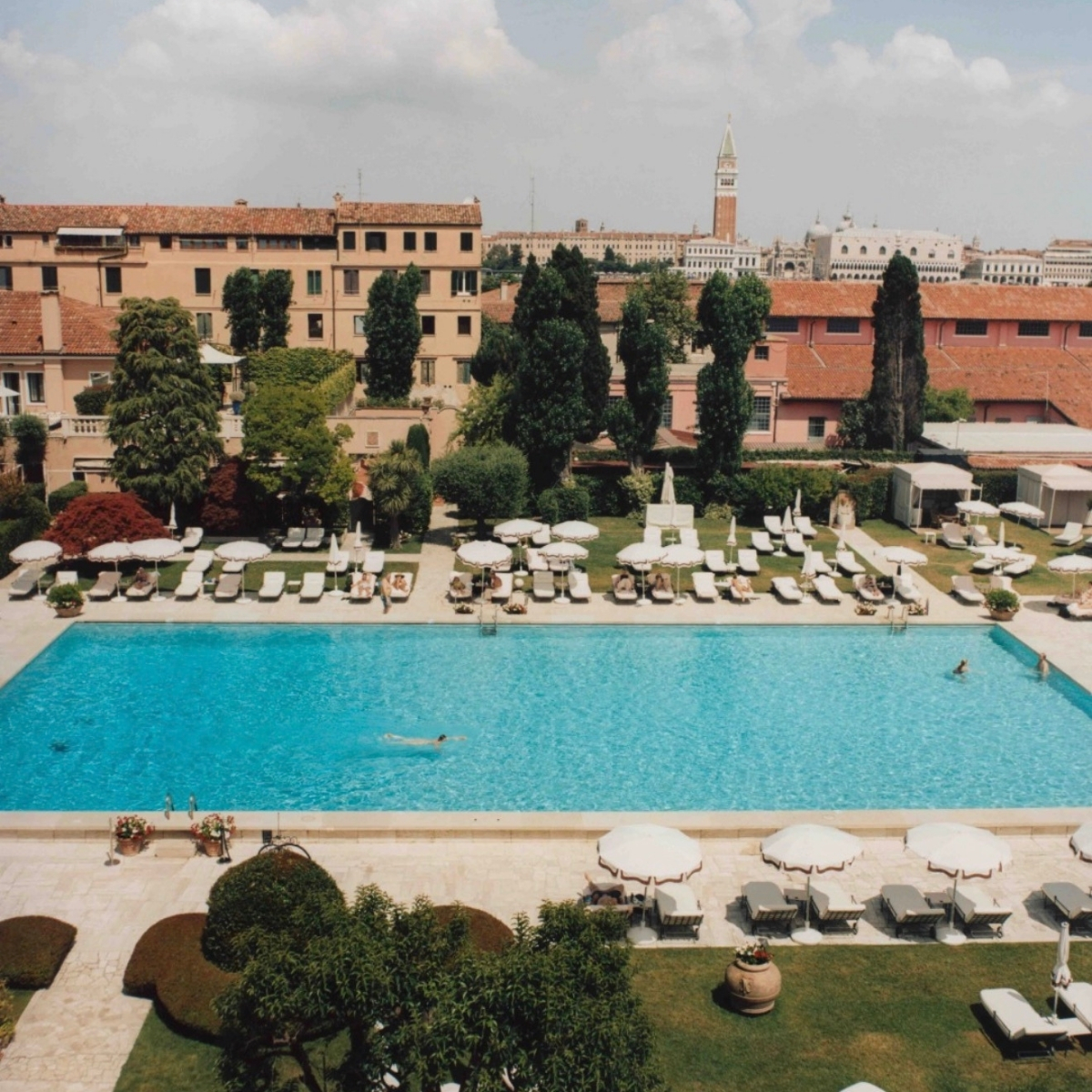 Belmond · VIP Perks
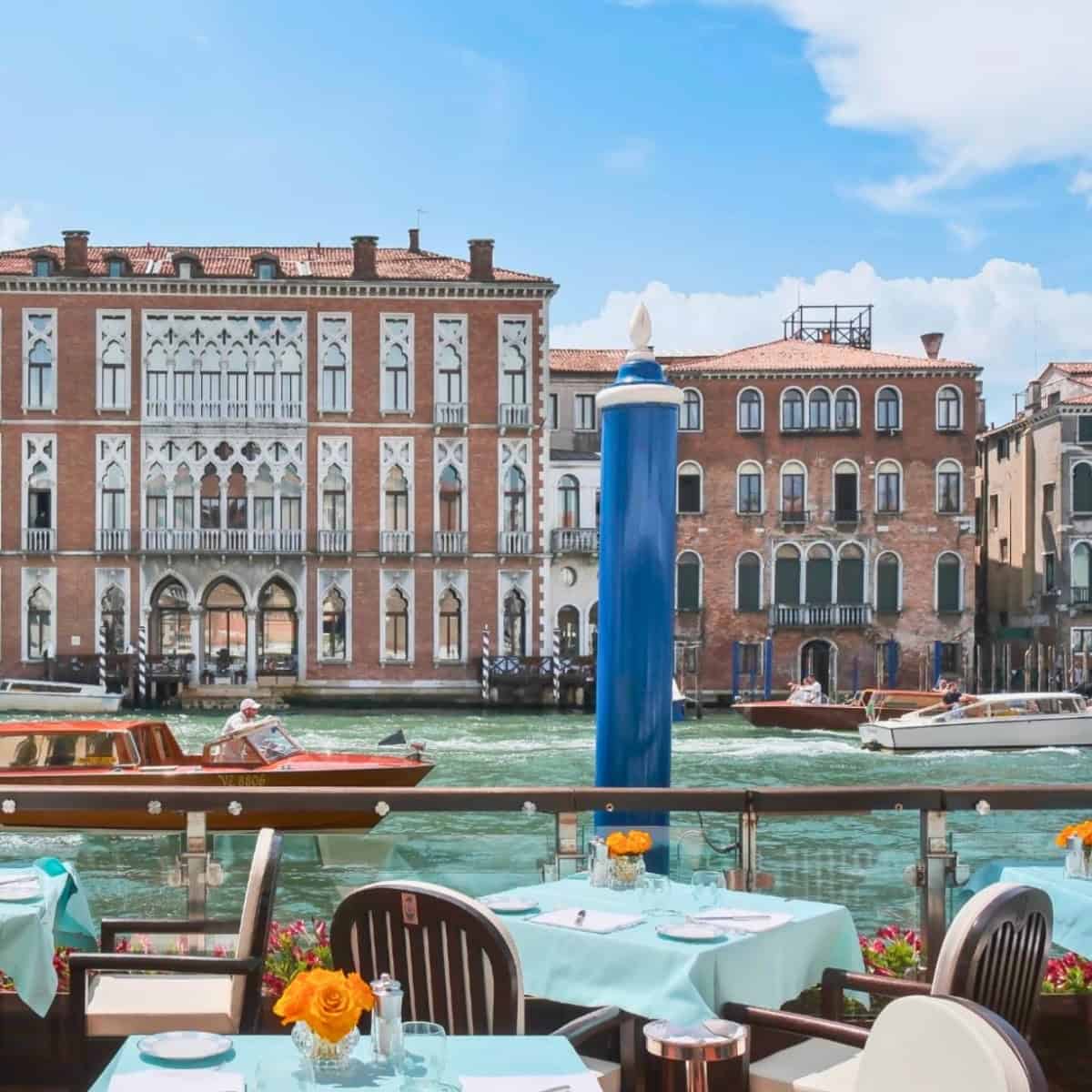 VIP Perks Available
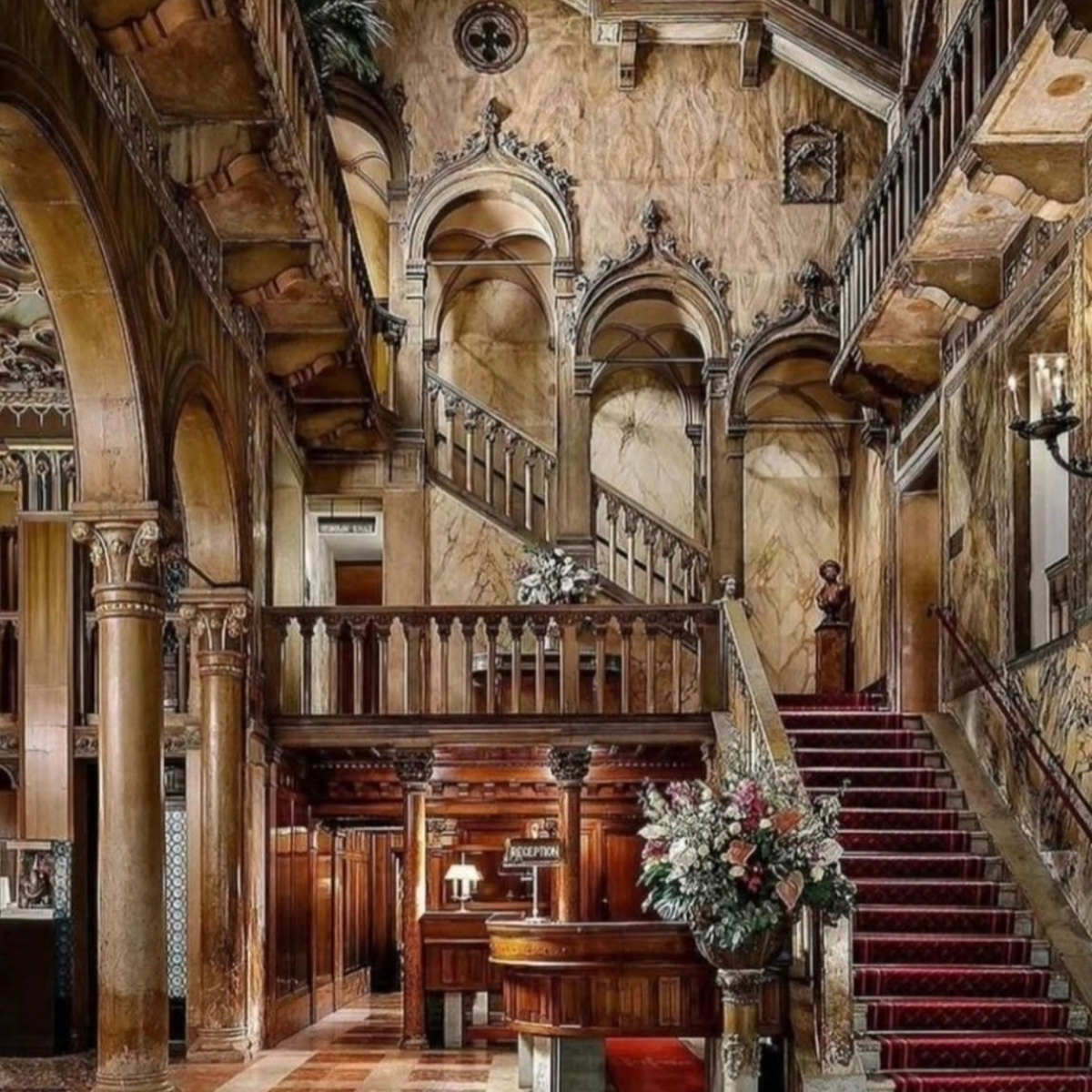 Luxury Collection · VIP Perks
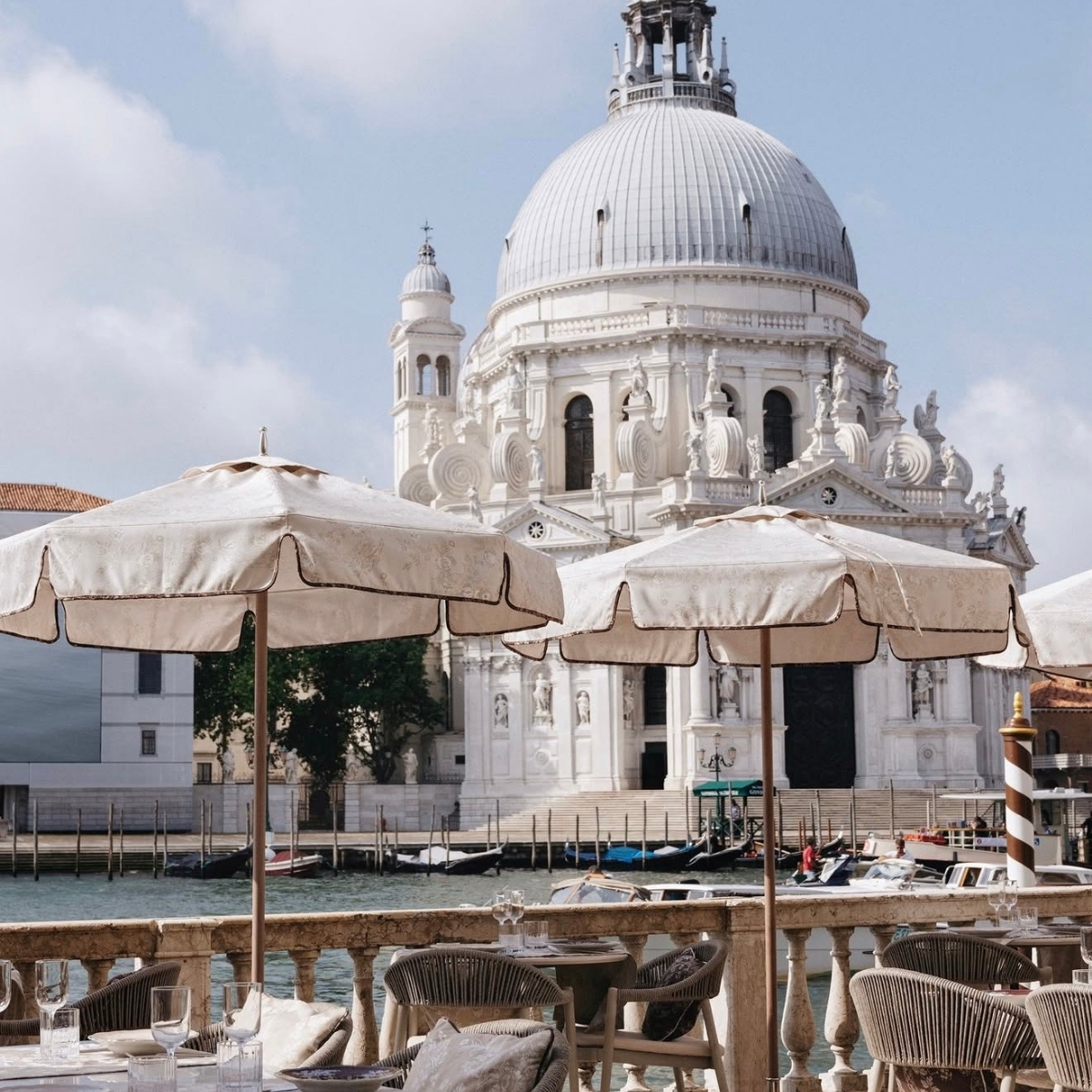 St. Regis · VIP Perks Available
Boutique & Mid-Range Hotels in Venice
Looking for something smaller, more intimate, or easier on the budget? These highly-rated boutique stays and guesthouses are among the best in the city, each with a strong sense of character and location.
- Castello Hotel Maison Ducal Modern boutique hotel near St. Mark's Square offering stylish, comfortable rooms.
- Dorsoduro Palazzo Veneziano This contemporary hotel provides modern comfort in the heart of Venice, steps from major attractions.
- San Marco Palazzo Pianca A mid-range hotel with classic Venetian-style interiors and easy access to both St. Mark's Square and the La Fenice Theatre, ideal for first-time visitors.
Top Things to Do in Venice
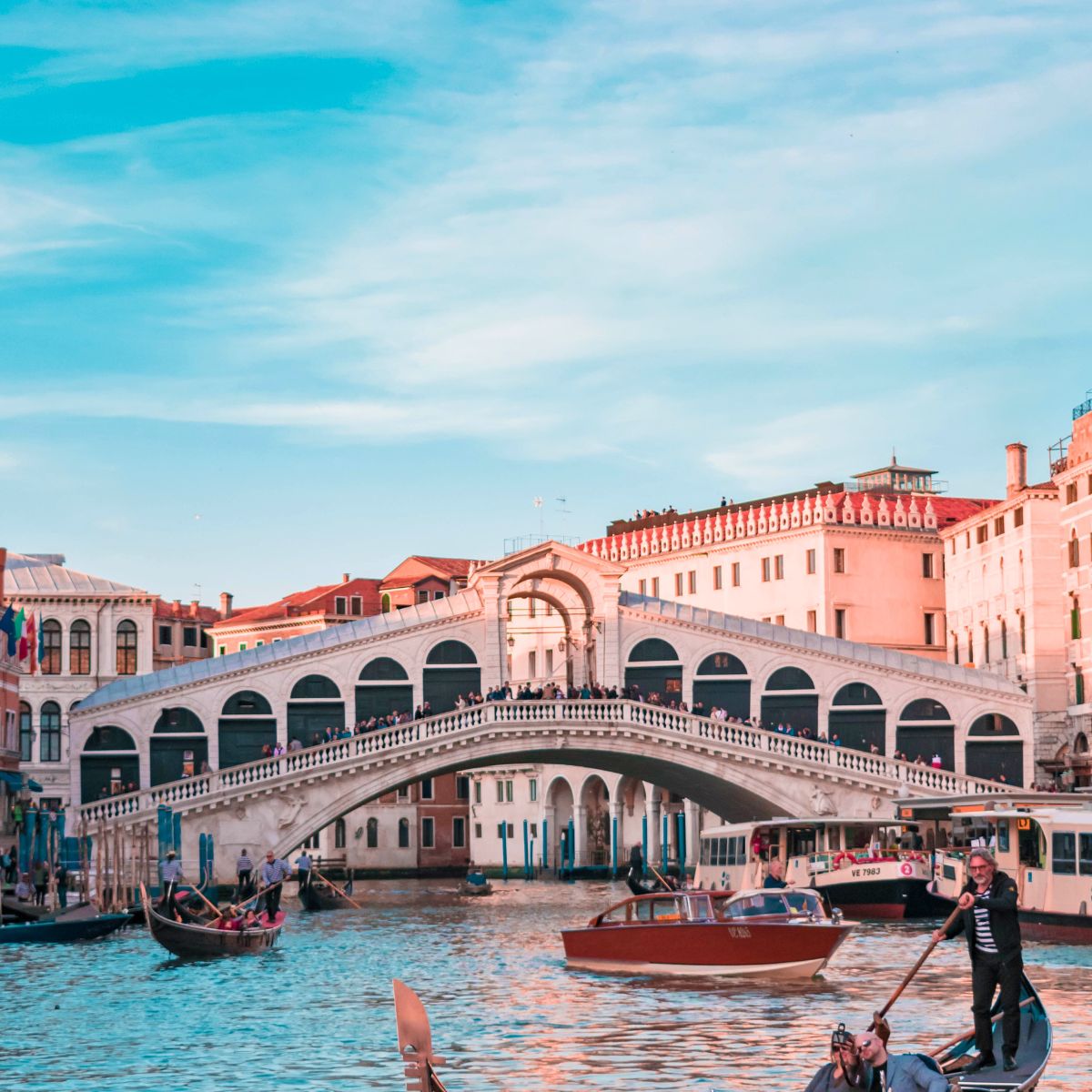
Venice rewards exploration far beyond its famous landmarks. Yes, you need to see St. Mark's Basilica, but you also need to find the traghetto crossing that locals use, wander into a bacaro where nobody speaks English, and get deliberately lost in a district where your phone shows no familiar names.
- 01St. Mark's Basilica & Piazza San Marco. Go early, before 9am the piazza is almost empty, the light is extraordinary, and the Basilica has no queues. Book the interior skip-the-line in advance. If you only do one thing, see the mosaics inside at opening time.
- 02The Rialto Bridge & Rialto Market. The bridge is best seen from the Grand Canal (from a vaporetto or gondola). The Rialto Market, Venice's main produce and fish market, operates Tuesday through Saturday mornings and is one of the city's most authentic scenes. Arrive by 8am.
- 03Gondola or Traghetto Ride. A private gondola costs around 80–100 euros for 30 minutes (more after 7pm). For a genuine local experience at a fraction of the price, take a traghetto, the shared gondola ferry that crosses the Grand Canal at key points. Locals stand; tourists sit. Standing is correct.
- 04Doge's Palace (Palazzo Ducale). One of the world's great Gothic buildings, and the seat of Venetian power for nearly a millennium. Book the Secret Itineraries tour to access the hidden chambers, including the prison cells from which Casanova famously escaped.
- 05Island Day Trip: Murano, Burano & Torcello. Take the vaporetto to Murano for the glassblowing ateliers, Burano for the photogenic pastel-colored fishing houses and lace tradition, and Torcello for the haunting 7th-century cathedral. Do all three in a day or split over two.
- 06The Peggy Guggenheim Collection. The finest modern art collection in Italy, housed in Peggy Guggenheim's unfinished Dorsoduro palazzo directly on the Grand Canal. Picasso, Dali, Pollock, Rothko, and Peggy's famous terrace overlooking the water. Book in advance.
- 07Wander Dorsoduro & Cannaregio. The two most rewarding neighborhoods to get lost in. Dorsoduro has the Zattere waterfront, the Accademia galleries, and excellent aperitivo. Cannaregio has the Jewish Ghetto, quiet canals, and the best cicchetti bars outside San Polo.
- 08Cicchetti & Ombra at a Bacaro. Venice's version of tapas, small plates served at standing bars called bacari, with a small glass of local wine (an ombra). The best bacaro crawl runs through San Polo and Cannaregio. Look for All'Arco, Cantina Do Spade, and Al Timon.
Browse the best tours and experiences in Venice. Use code TRAVELINGBALANCED5 for 5% off.
Best Photo Spots in Venice
Venice is a photographer's city, but the famous shots require timing as much as location. Here are the six spots that never disappoint, with the best timing for each.
Where to Eat in Venice
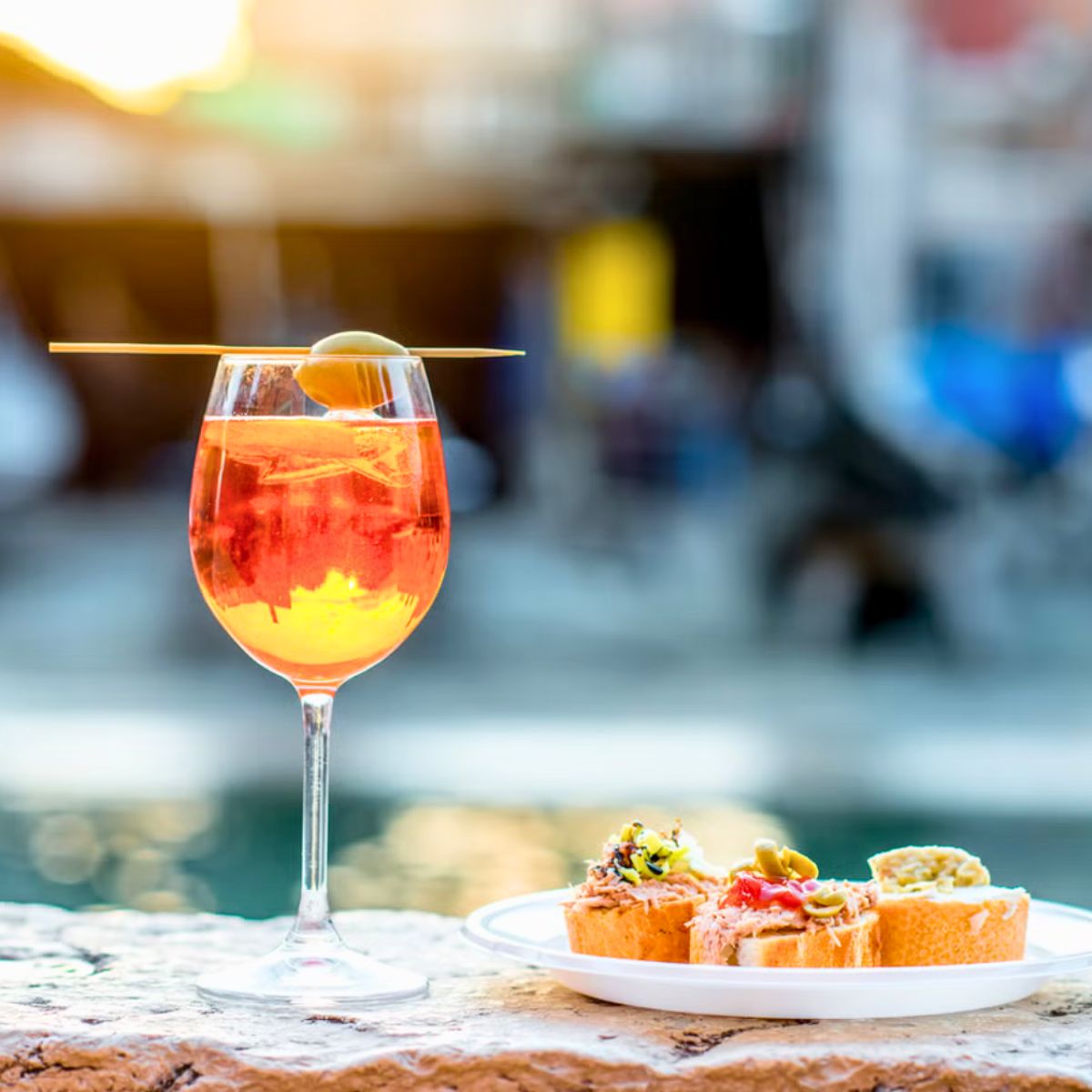
Venice has a dining reputation problem: it's surrounded by overpriced tourist traps near the major landmarks, which have led many visitors to conclude the food here is mediocre. It isn't. Venetian cuisine, risotto al nero di seppia, sarde in saor, fresh fritto misto, and the canal-side bacaro culture, is one of Italy's most distinctive regional traditions. You just need to know where to look.
The golden rule: never eat anywhere that has photographs on the menu, a tout outside, or is within 50 meters of a major landmark. Walk three minutes further, and the quality doubles while the price drops.
High-End & Special Occasion
- Oro Restaurant Michelin, Belmond Hotel Cipriani's celebrated restaurant, with lagoon views and refined Venetian cuisine at its most elevated.
- Venissa Michelin, on the island of Mazzorbo, this vineyard restaurant grows the near-extinct Dorona grape and serves extraordinary hyper-local tasting menus. One of Venice's most memorable experiences.
- Il Ridotto Michelin, intimate, 24-seat Michelin-starred restaurant near Piazza San Marco. Book weeks ahead.
- Quadri, elegant terrace dining overlooking St. Mark's Square. One of Venice's most iconic special-occasion restaurants.
- Da Fiore, classic Venetian fine dining near the Rialto, quietly excellent for decades. Book well in advance.
Local Favourites & Bacari
- All'Arco, Venice's most celebrated cicchetti bar, hidden behind the Rialto Market. Arrive before noon; they sell out.
- Cantina Do Spade, historic bacaro near the Rialto, open since 1415. Local wine and traditional cicchetti in a standing-room crowd.
- Al Timon, canalside bacaro in Cannaregio with moored barges, local wine, and one of the best aperitivo atmospheres in Venice.
- Osteria Alla Vedova, a Venetian institution, serving polpette (fried meatballs) and traditional dishes since 1891. Always busy; arrive early or wait.
- Trattoria da Romano Burano, the legendary seafood risotto restaurant on Burano island. Worth the vaporetto trip specifically for lunch.
- Al Covo, family-run in Castello, known for exceptionally fresh seafood and creative Venetian preparations.
Family-Friendly Options
- Trattoria alla Madonna, classic Venetian seafood trattoria near the Rialto Market, welcoming and unpretentious.
- Osteria Bancogiro, waterfront dining in San Polo with outdoor seating along the canal and a relaxed family atmosphere.
- Antiche Carampane, authentic Venetian cuisine in a cozy setting, beloved by locals and visitors alike.
Best Coffee Shops in Venice
Venice takes its coffee seriously, it's an espresso city in an espresso country. The ritual of the standing bar coffee is as central to daily Venetian life as the canals themselves. But beyond the standard espresso at any neighborhood bar, Venice has a handful of genuinely exceptional addresses worth going out of your way for.
Best Coffee in Venice
A note on coffee etiquette: in Venice (as across Italy), espresso drunk standing at the bar is almost always cheaper than sitting at a table. The surcharge for table service is standard and legally required to be displayed on the menu. At a place like Florian, sit for the occasion; everywhere else, stand at the bar like a local.
Insider Venice Travel Tips
Wear comfortable shoes. Venice is almost entirely walking, on uneven cobblestones, over bridges, and across campos. Stylish heels won't last a morning.
Buy a multi-day vaporetto pass. Single tickets are expensive. A 48h or 72h unlimited pass saves money quickly if you're using the water buses regularly.
Visit main sites at opening time. St. Mark's Basilica, the Rialto, and the Accademia are all radically better before the cruise ship crowds arrive at 10am.
Get deliberately lost. Venice's greatest moments happen when you're not looking for them. Put your phone away and follow whichever alley looks most interesting.
Never eat near St. Mark's Square. Restaurants within a 3-minute walk of the Piazza charge three times the price for half the quality. Walk further. It's worth it every time.
Book popular restaurants well in advance. The best tables at Venissa, Il Ridotto, and Oro fill up weeks or months ahead in peak season. Book as soon as your dates are confirmed.
Check acqua alta forecasts. Venice's high water season runs October through March. Download the Citta di Venezia app for tide forecasts. Bring rubber-soled shoes if there's a warning in effect.
Enjoy the city after 7pm. Day-trippers leave by early evening. Venice at night, the canals quiet, the streetlamps reflecting on water, the squares nearly empty, is a completely different city.
Venice Travel FAQs
Everything first-time visitors ask me before planning a trip to Venice, answered from personal experience traveling and living in Italy.
Late spring (April–June) and early autumn (September–October) offer the best balance of warm weather, manageable crowds, and beautiful light. My personal favourite is late September to mid-October, the summer crowds have cleared, hotel rates soften, and the city is genuinely golden. Winter can be magical, particularly around Carnival in February, though acqua alta flooding is possible from October through March.
Two to three days covers the main landmarks comfortably. Four to five days lets you add the islands of Murano, Burano, and Torcello and explore quieter neighborhoods like Dorsoduro and Cannaregio. If you have more time, Venice rewards slowing down, the best experiences here come when you have nowhere specific to be. I recommend a minimum of three nights, ideally four.
Venice charges day-trippers (visitors who enter but don't stay overnight) a 5 euro access fee on designated high-traffic days, between 8:30 AM and 4:00 PM. Payment is made in advance via the official Venice Unica portal. If you pay within four days of your visit, the fee rises to 10 euros. You receive a QR code to show at entry points. Guests staying overnight in hotels are exempt from this fee, they pay a nightly city tax through their accommodation instead.
For the most extraordinary experience, Aman Venice, a 16th-century palazzo with frescoed suites and a private garden, is genuinely unmatched. Belmond Hotel Cipriani on Giudecca Island is the classic choice for a full resort feel with lagoon views and a Michelin-starred restaurant. The Gritti Palace and Hotel Danieli are the great Grand Canal institutions. Booking through a travel advisor like Traveling Balanced unlocks VIP perks including complimentary breakfast and room upgrades at the same rate as booking direct.
Venice has no roads, canals and pedestrian alleys are the main routes. The vaporetto (water bus) is the primary public transport, with a multi-day unlimited pass being the best value option. Traghetti are shared gondola ferries across the Grand Canal at key crossing points, a local secret that costs a fraction of a private gondola. Water taxis are private and elegant but expensive. Walking is genuinely the best way to discover Venice beyond the landmarks.
Cicchetti are Venice's beloved small plates, served at standing bars called bacari with a small glass of local wine (an ombra). Think crostini topped with bacala mantecato (whipped salt cod), fried artichokes, sardines in saor (sweet-and-sour sauce), and tiny glasses of Soave or Prosecco. The best bacari are clustered around the Rialto Market area in San Polo and along the canals of Cannaregio. Top picks: All'Arco (arrive before noon), Cantina Do Spade, and Al Timon.
Yes, Venice can be wonderful with children, particularly for families who love being on the water. The vaporetti are essentially boat rides all day, the Murano glass-blowing demonstrations captivate children of all ages, and Burano island with its colorful houses is universally appealing. The main challenges are the lack of pushchair-friendly surfaces (many bridges have steps, not ramps) and the walking-heavy nature of the city. I'd recommend 2–3 days maximum with younger children, and choosing a hotel near a vaporetto stop.
Venice Travel Guide: Essential Facts & Insider Tips
- Best Time to VisitLate September–October & April–June for ideal weather and manageable crowds
- Recommended Stay3 nights minimum · 4–5 nights to add the islands · 5+ to truly slow down and feel the city
- Top NeighborhoodsDorsoduro · Cannaregio · San Polo · San Marco · Castello · Giudecca (for the Cipriani)
- Best HotelsAman Venice · Belmond Hotel Cipriani · The Gritti Palace · Hotel Danieli · The St. Regis Venice
- Getting AroundOn foot & by vaporetto, buy a multi-day unlimited pass, skip the single tickets
- Must-Eat & DrinkCicchetti · sarde in saor · risotto al nero di seppia · Aperol Spritz · Soave · ombra at a bacaro
- Day-Tripper Fee5 euros on designated high-traffic days, pay in advance at veneziaunica.it
- VIP Hotel PerksBook hotels through me for complimentary breakfast, upgrades & resort credits at no extra cost
Quick Travel Resources
Everything I personally use and recommend to make your Venice trip smoother, from booking tools to travel essentials.
I book hotels on your behalf with complimentary upgrades, breakfast, and resort credits, at no extra cost to you.
Book With Me →The travel insurance I use myself. Covers trip cancellations, medical emergencies, lost luggage, and delays.
Get a Quote →Handpicked Venice tours, gondola experiences, Doge's Palace skip-the-line, island day trips, and more. Use code TRAVELINGBALANCED5 for 5% off.
Browse Tours →Another excellent source for Venice tours, island day trips to Murano and Burano, and local experiences.
Browse Experiences →Seamless private transfers to and from Venice, airport pickups, day trips to Verona or the Dolomites, fully customizable.
Book a Transfer →My carefully curated travel essentials, packing cubes, adapters, portable chargers, and everything I actually travel with.
Shop Now →My best-selling destination guides for the Amalfi Coast, Capri, Sicily, and more, with hotels, restaurants, and insider tips.
Shop Guides →Let me plan your entire Venice trip, hotels, water taxi transfers, restaurant reservations, and every detail handled for you.
Learn More →Final Thoughts: Planning Your Venice Trip
Venice is one of those destinations that somehow exceeds expectations even when expectations are already sky-high. It shouldn't work, an ancient city built on wooden piles in a tidal lagoon, visited by millions, without a single car. And yet. The canals still reflect the morning light the way they always have. The bacari are still filling up at 6pm with locals ordering their ombra. The gondoliers are still navigating turns they've navigated a thousand times before with an almost studied nonchalance.
Plan well, stay long enough to feel the city rather than just see it, eat where the locals eat, and give yourself at least one evening with no agenda at all, just a canal, a glass of Soave, and nowhere particular to be. Those unplanned hours in Venice are almost always the ones you remember most.
More Italy Resources
Everything you need to plan the rest of your Italy trip, from itineraries to the best hotels across the country.