The 20 Best Things to Do in Venice
From St. Mark's at sunrise to secret bacari, gondola rides through hidden canals, and island escapes to Murano and Burano, the complete Venice guide with hours, prices, and insider tips from a travel advisor.
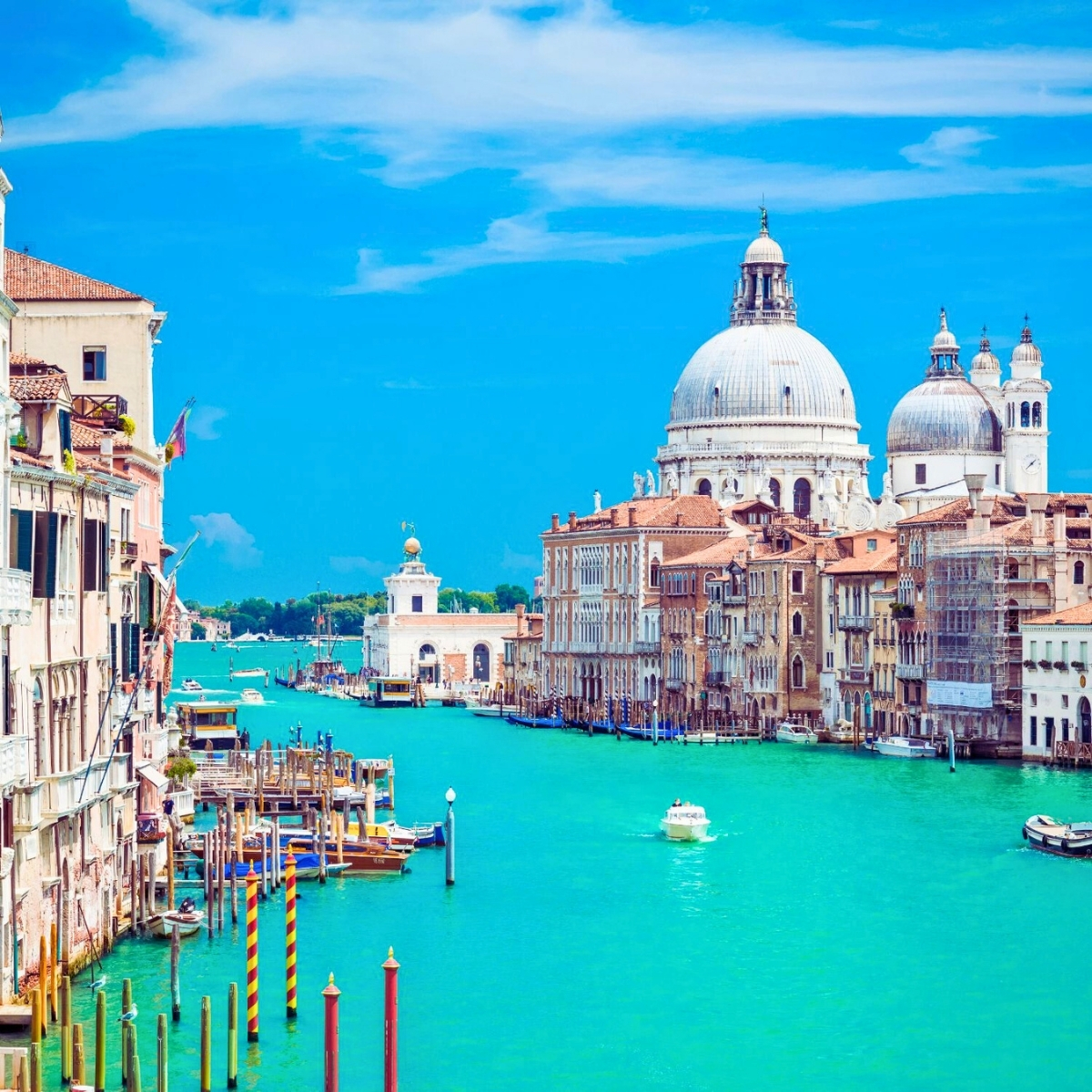
Venice is one of those rare cities that defies rational explanation. It shouldn't exist, a sprawling medieval city built on wooden piles in a lagoon, with canals instead of streets and no cars anywhere on its 118 islands, and yet it does, and has for over a millennium, and it is more beautiful than any description manages to convey. Every traveler who has walked its bridges and gotten properly lost in its alleys knows the feeling: Venice takes you completely by surprise, even when you think you know what to expect.
This guide covers 20 of the best things to do in Venice, from the iconic and unmissable (St. Mark's Basilica at sunrise, the Doge's Palace, a gondola through the smaller canals) to the less-visited experiences that reveal the city beyond its famous landmarks (the cicchetti bars of Cannaregio, the quiet art of Dorsoduro, the morning ritual at the Rialto fish market). Whether this is your first visit or a return trip, these 20 experiences will give you a Venice that stays with you long after you've left.
"Venice is the most beautiful city in the world to get lost in, and the best way to experience it is slowly, on foot, with no particular agenda and nowhere urgent to be."
Best Time to Visit Venice
Venice's experience shifts dramatically by season, and even by hour of day. These experiences reward early morning arrivals and off-peak timing far more than any other Italian city.
Venice by Season: When to Go
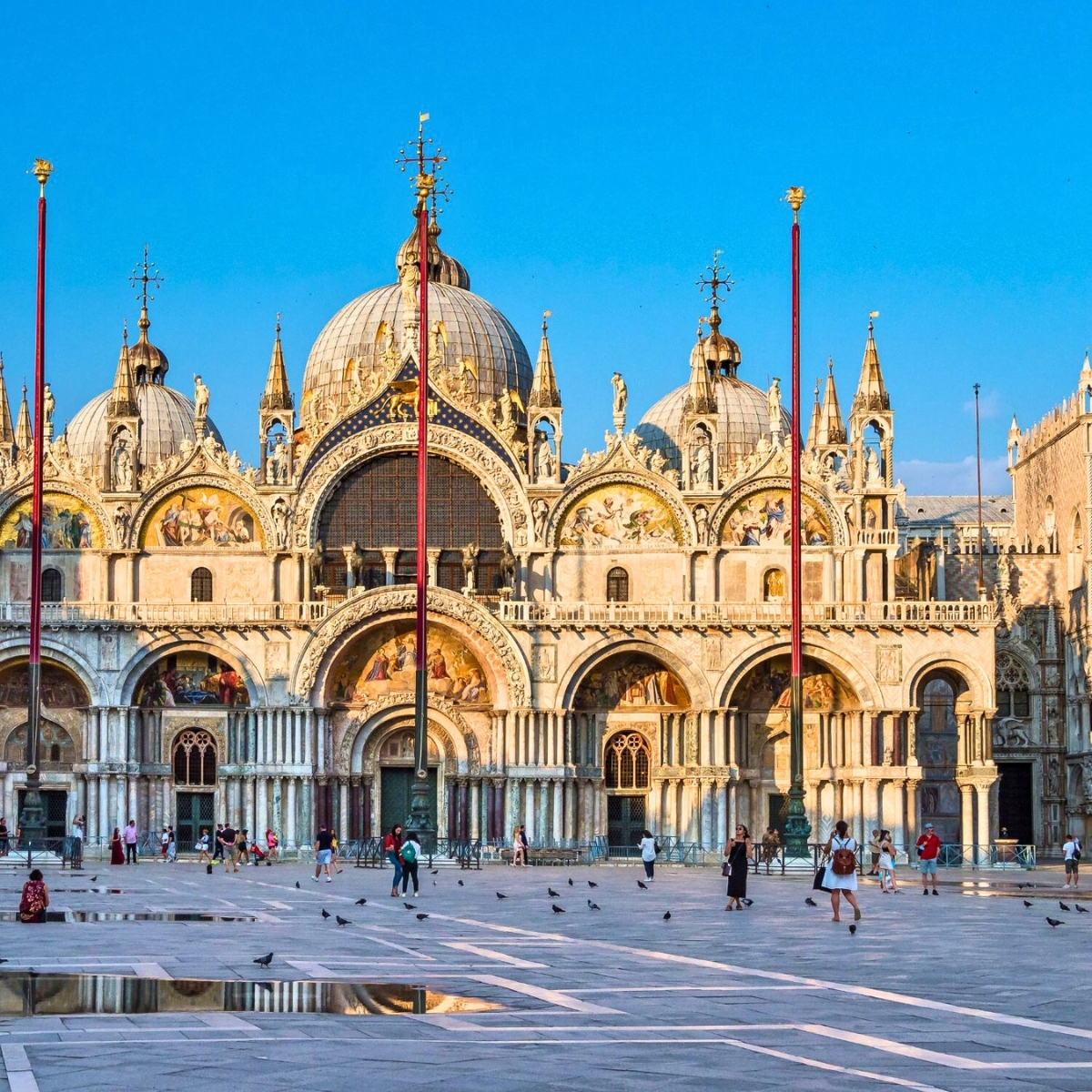
St. Mark's Basilica is one of the most extraordinary buildings in the world, a Byzantine masterpiece of shimmering gold mosaics, intricate marble floors, and five soaring domes that has stood at the heart of Venice since the 11th century. Built to house the relics of St. Mark and to announce the power and wealth of the Venetian Republic, it is a building of staggering ambition and almost overwhelming beauty. Stand in the nave and look up: the gold mosaics covering over 8,000 square meters of ceiling and walls create an interior that feels otherworldly.
- The gold Byzantine mosaics, 8,000+ square meters of shimmering gold mosaic covering the ceilings, arches, and apses. The best light for the mosaics is late morning when sunlight filters through the west windows.
- Pala d'Oro, the golden altarpiece behind the main altar, encrusted with over 1,900 precious gems including emeralds, rubies, sapphires, and pearls. One of the finest examples of Byzantine goldsmithing in the world.
- St. Mark's Museum & Loggia dei Cavalli, the terrace overlooking Piazza San Marco, with up-close views of the famous bronze horses and a sweeping view of the piazza below.
- The marble floor, the rippling, mosaic-patterned marble floor, undulating from centuries of subsidence, is itself an extraordinary work of art.
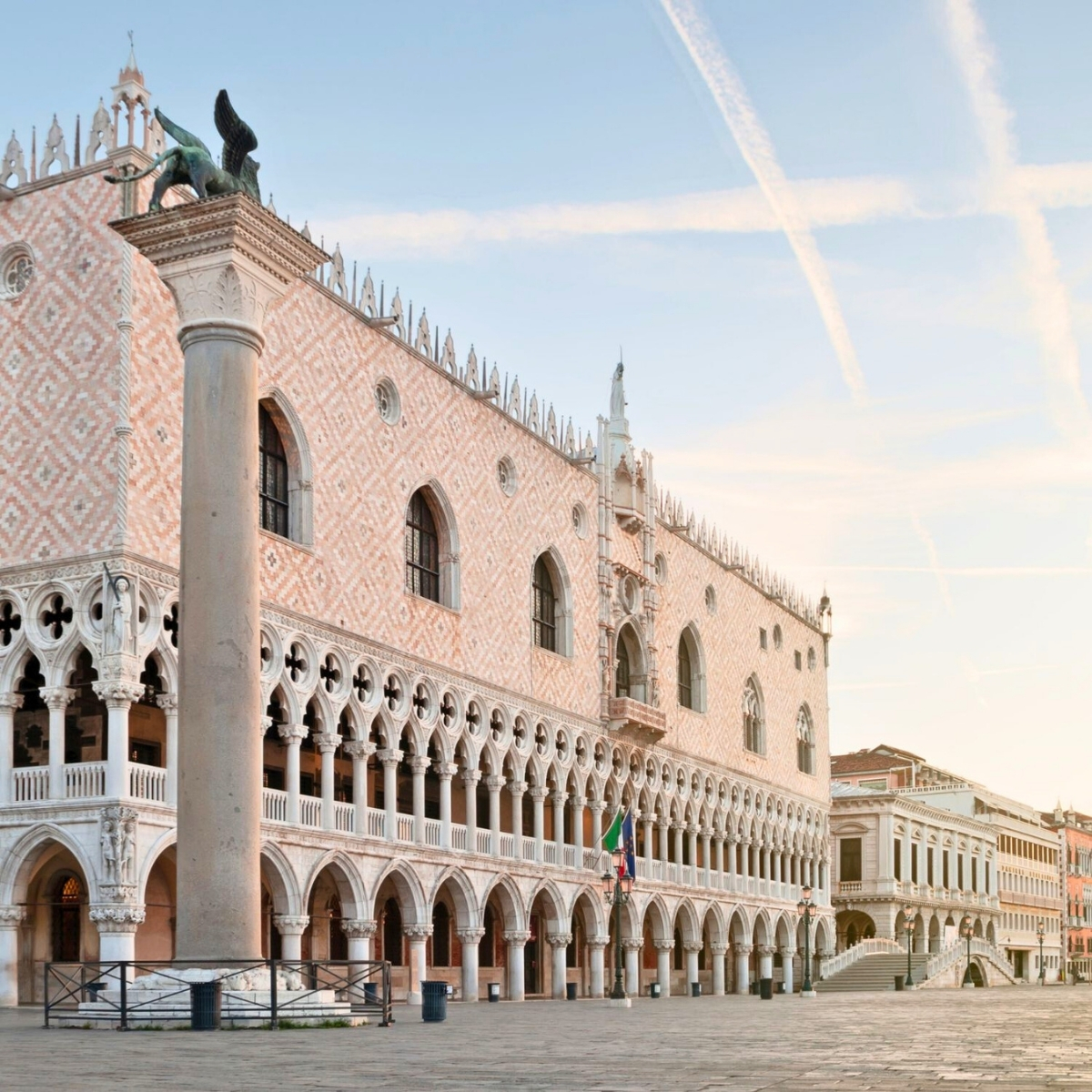
The Doge's Palace was the political and judicial heart of one of history's greatest commercial empires for over 500 years. This Gothic masterpiece of pink Verona marble and white Istrian stone served simultaneously as the Doge's residence, seat of government, courts of law, and prison, and its interiors are a staggering accumulation of Renaissance and Baroque painting, gilded decoration, and sheer institutional grandeur. Tintoretto's Paradise in the Great Council Chamber is one of the largest oil paintings in the world.
- The Great Council Chamber, the enormous room where Venice's governing council assembled, dominated by Tintoretto's Paradise (1592), one of the largest paintings in the world at 22 x 7 meters.
- The Bridge of Sighs, included in the palace ticket, walking across the enclosed bridge connecting the palace to the old prisons gives a uniquely historical perspective on Venetian justice.
- The Secret Itineraries Tour, a separate tour (book in advance) accessing restricted areas including the leads prison (where Casanova was held) and the attic roof space above the Great Council Chamber.
- The Scala d'Oro (Golden Staircase), the ceremonial entrance staircase of white marble and gilded stucco designed by Jacopo Sansovino.
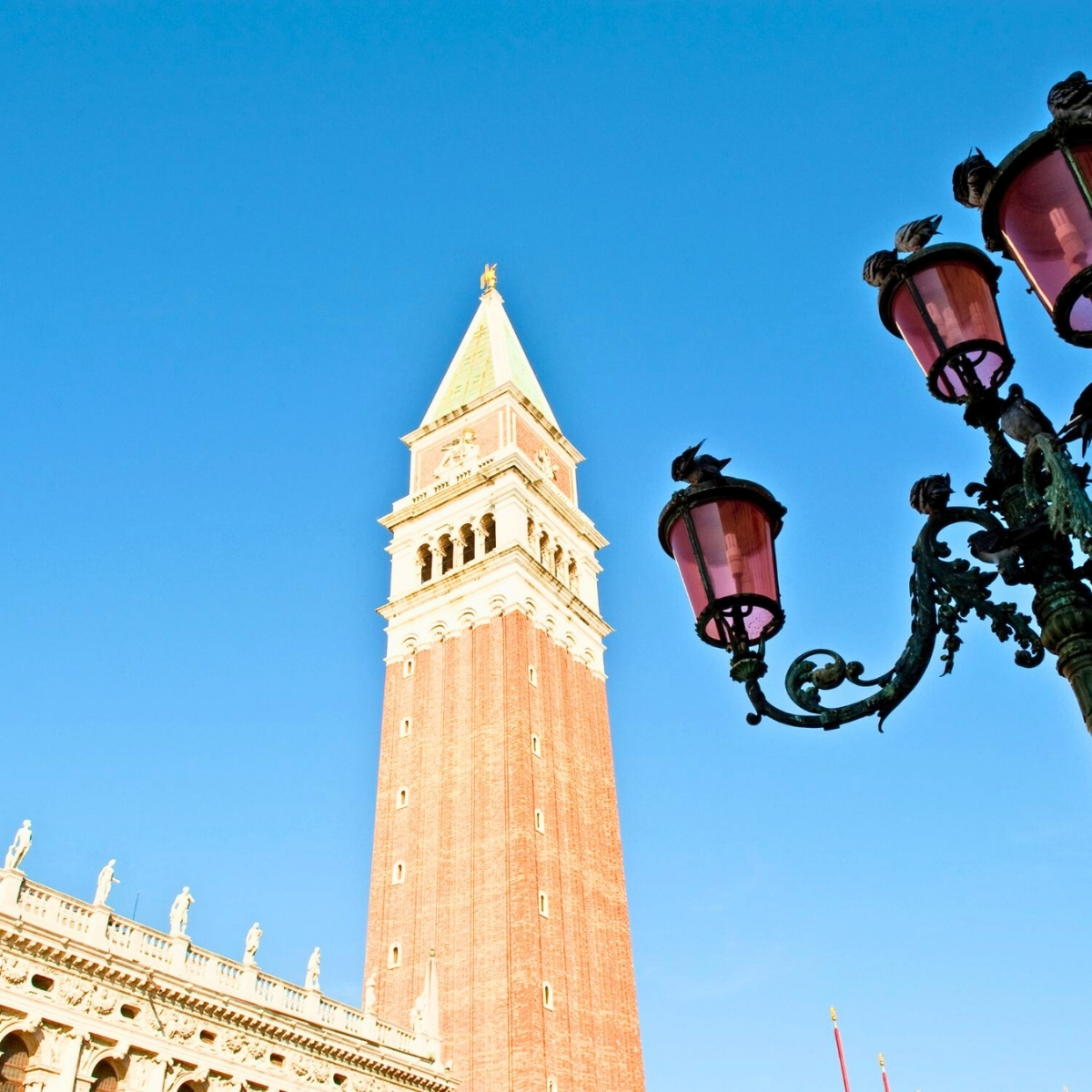
At nearly 100 meters tall, the Campanile di San Marco is the tallest structure in Venice. Its elevator carries visitors to the loggia at the top, where an unobstructed 360 degree panorama reveals the full extraordinary geography of Venice, the red-tiled rooftops, the winding Grand Canal, St. Mark's Basin, the distant Dolomites on clear days, and the impossibility of a medieval city built on a lagoon stretching in every direction.
- The aerial view of Venice, the city's extraordinary urban structure, canals instead of streets, a dense medieval fabric surrounded by water, is most comprehensible from this height.
- St. Mark's Basin and the lagoon islands, San Giorgio Maggiore, Giudecca, Murano, and Burano are all visible from the top on a clear day.
- The Dolomites, on a clear day (most likely in fall and winter after rain), the snow-capped Dolomite peaks are visible on the northern horizon.
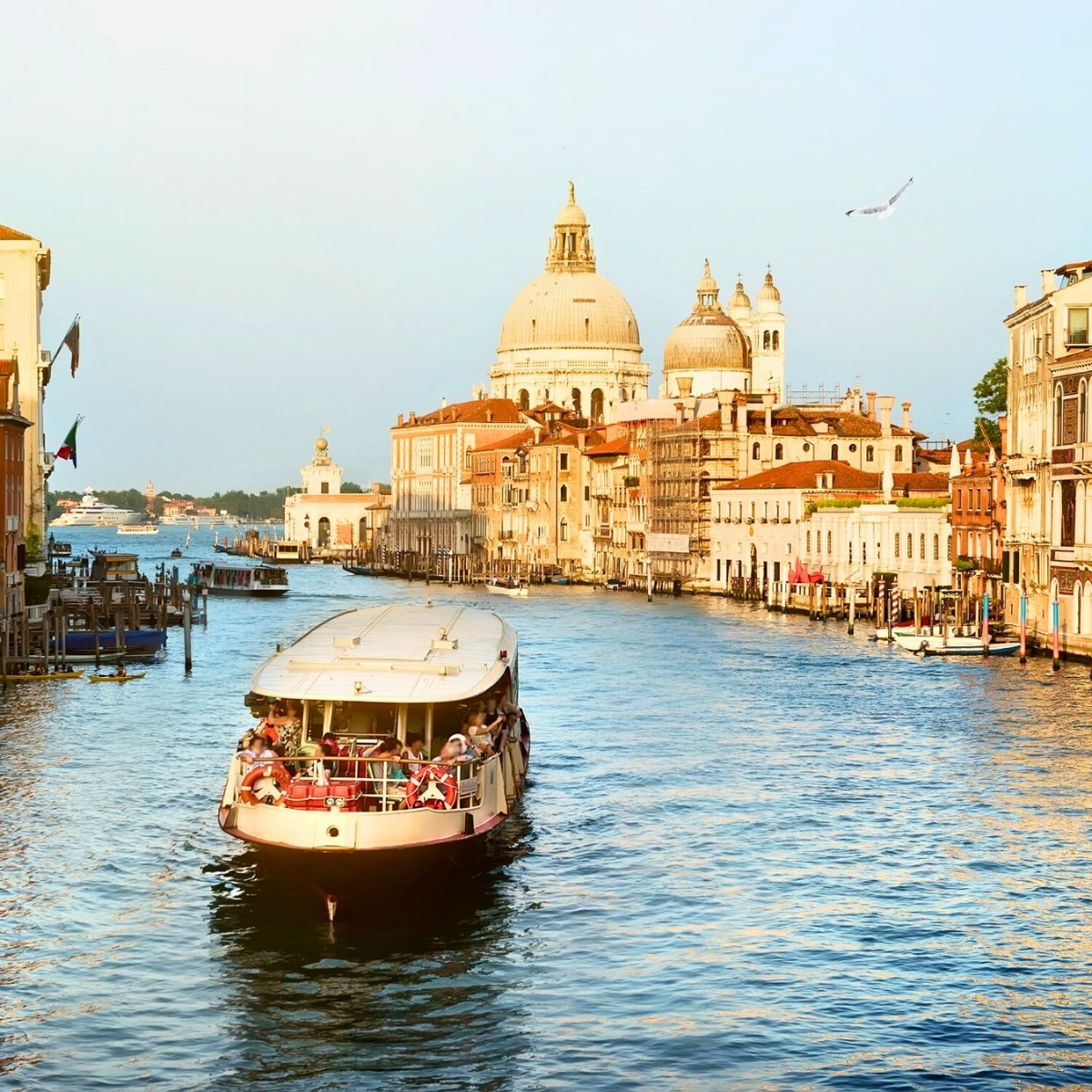
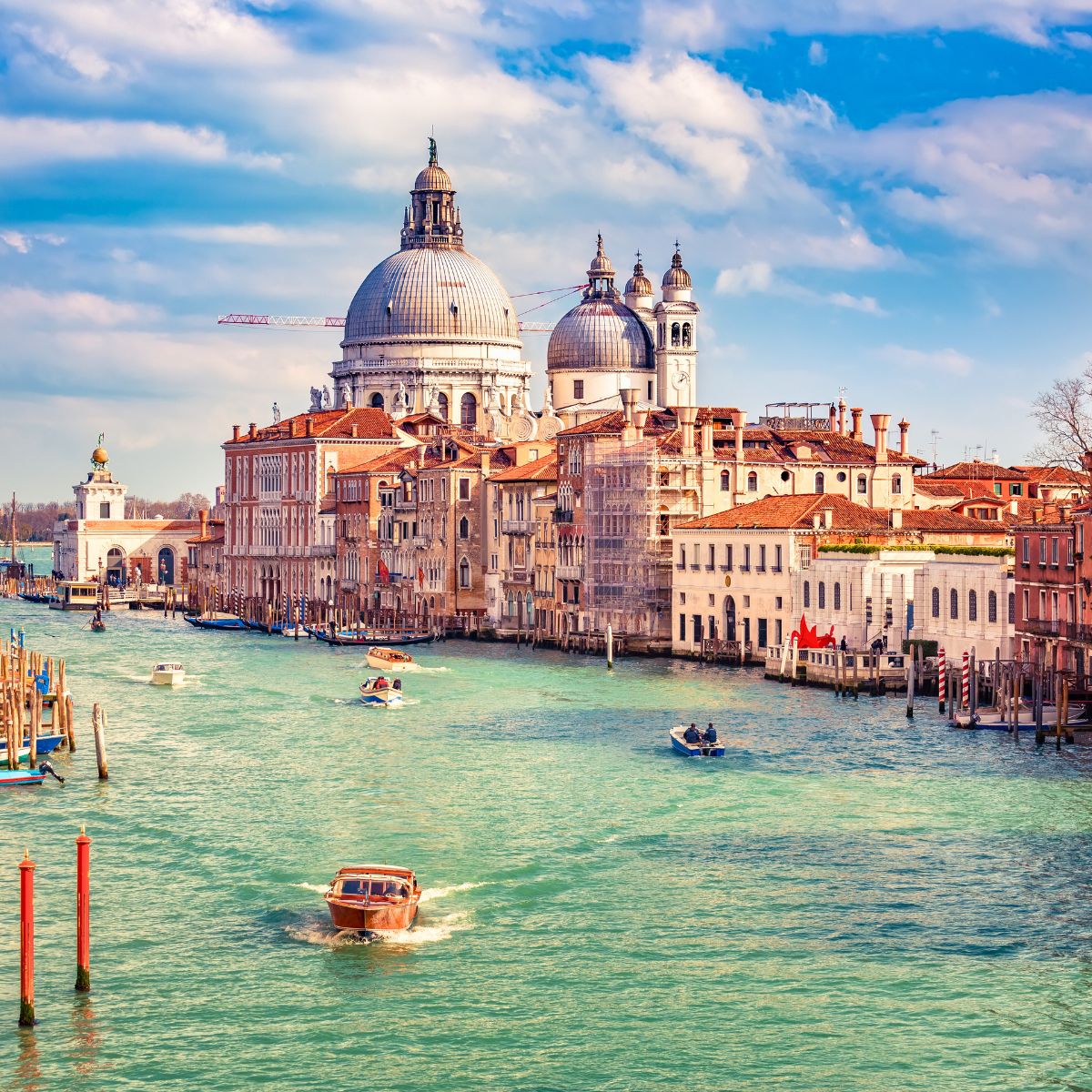
The Grand Canal is Venice's main thoroughfare, a 3.8km reverse S-curve lined on both sides by over 170 historic palazzos built by Venice's merchant nobility between the 13th and 18th centuries. Riding Vaporetto Line 1 along its full length is the cheapest and most rewarding 50-minute sightseeing experience in Italy, delivering an unbroken sequence of Gothic, Renaissance, and Baroque architecture from a moving vantage point on the water.
- Ca' d'Oro, one of the finest Gothic palazzos on the canal; its Venetian Gothic tracery and ornamented facade are most beautiful in morning light.
- Rialto Bridge, the oldest of the four Grand Canal bridges, built in white Istrian stone, appears mid-journey as a sudden architectural flourish above the water.
- Peggy Guggenheim Collection, the low, wide palazzo mid-canal is Guggenheim's former home, identifiable by the Marino Marini equestrian statue on the water-facing terrace.
- Santa Maria della Salute, the great Baroque domed church emerges dramatically at the canal's southern end, one of Venice's defining silhouettes.
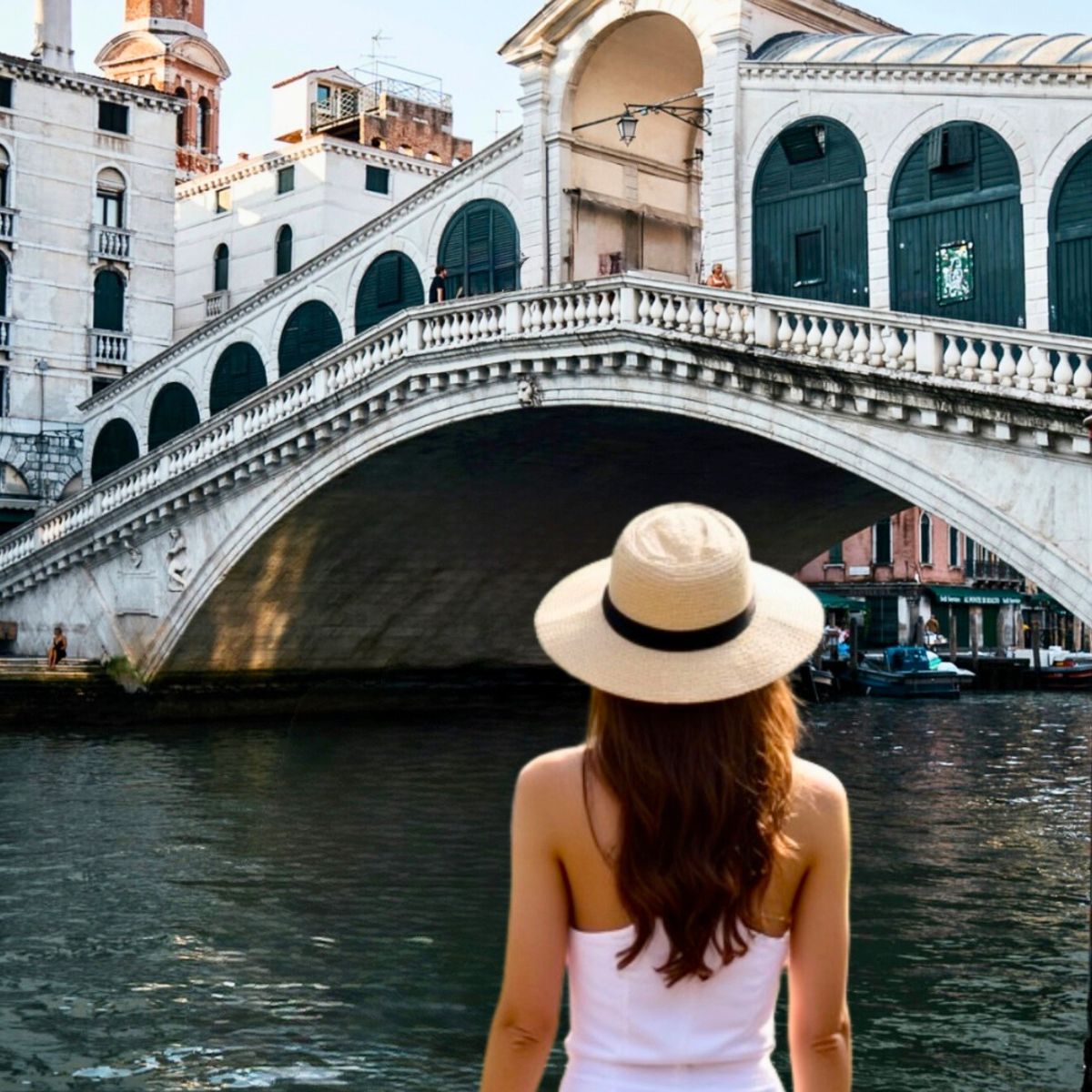
The Rialto Bridge and its surrounding market district form Venice's most energetically Venetian quarter, the commercial heart of the Republic for centuries. Today the Rialto Market (Pescaria for fish, Erberia for produce) is one of the finest food markets in Italy, a vivid, aromatic showcase of the extraordinary seafood abundance of the Venetian lagoon, with cuttlefish, sea bass, spider crabs, lagoon clams, and glistening piles of whatever the lagoon fishermen brought in that morning.
- Cross the bridge at first light, the view from the bridge's crown over the Grand Canal is one of Venice's finest compositions. Early morning gives you it essentially alone.
- Explore the Rialto fish market (Pescaria), the covered Neo-Gothic market hall (1907) contains one of Italy's greatest daily fish markets. Go between 7–10am for the full range of produce and the most authentic market atmosphere.
- Browse the produce market (Erberia), seasonal vegetables, fruits, and local specialties in the open-air market alongside the Grand Canal.
- Cicchetti at All'Arco, immediately adjacent to the Rialto market, this tiny classic bacaro serves some of Venice's finest fresh cicchetti from around 9am.
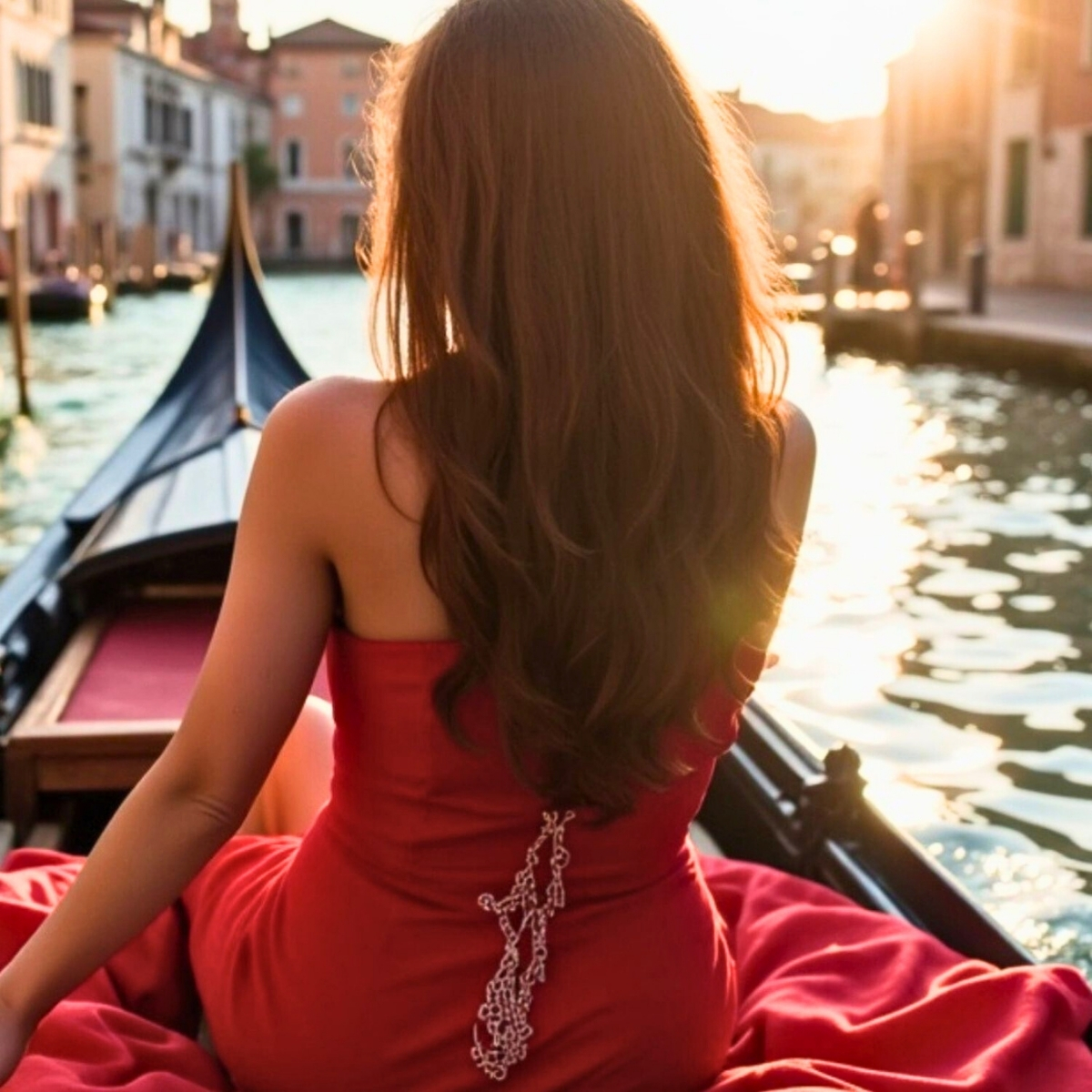
A gondola ride, when done correctly, through the smaller canals rather than the busy Grand Canal, at a quiet time of day, with a gondolier who knows the quieter routes, completely justifies its reputation. The gondola's flat-bottomed design and the gondolier's single oar technique, unchanged in 500 years, allow access to the narrowest rio passages, where the city's medieval architecture presses close on both sides and the sounds of the city are reduced to water against stone and the rhythmic stroke of the oar.
- Choose a quieter route, ask your gondolier for the smaller canals of Cannaregio or Dorsoduro rather than the Grand Canal. The back waterways are more intimate and less trafficked.
- Avoid midday peak hours, gondola traffic on the smaller canals is most congested between 11am and 3pm. Early morning and late afternoon offer calmer water and better light.
- The traghetto alternative, for a 2 euro gondola experience, take one of the gondola ferries (traghetti) that cross the Grand Canal at several points.
- Evening rides, worth the premium if romance is the priority. Venice's canals reflecting illuminated palazzo windows at night create an atmosphere of extraordinary beauty.
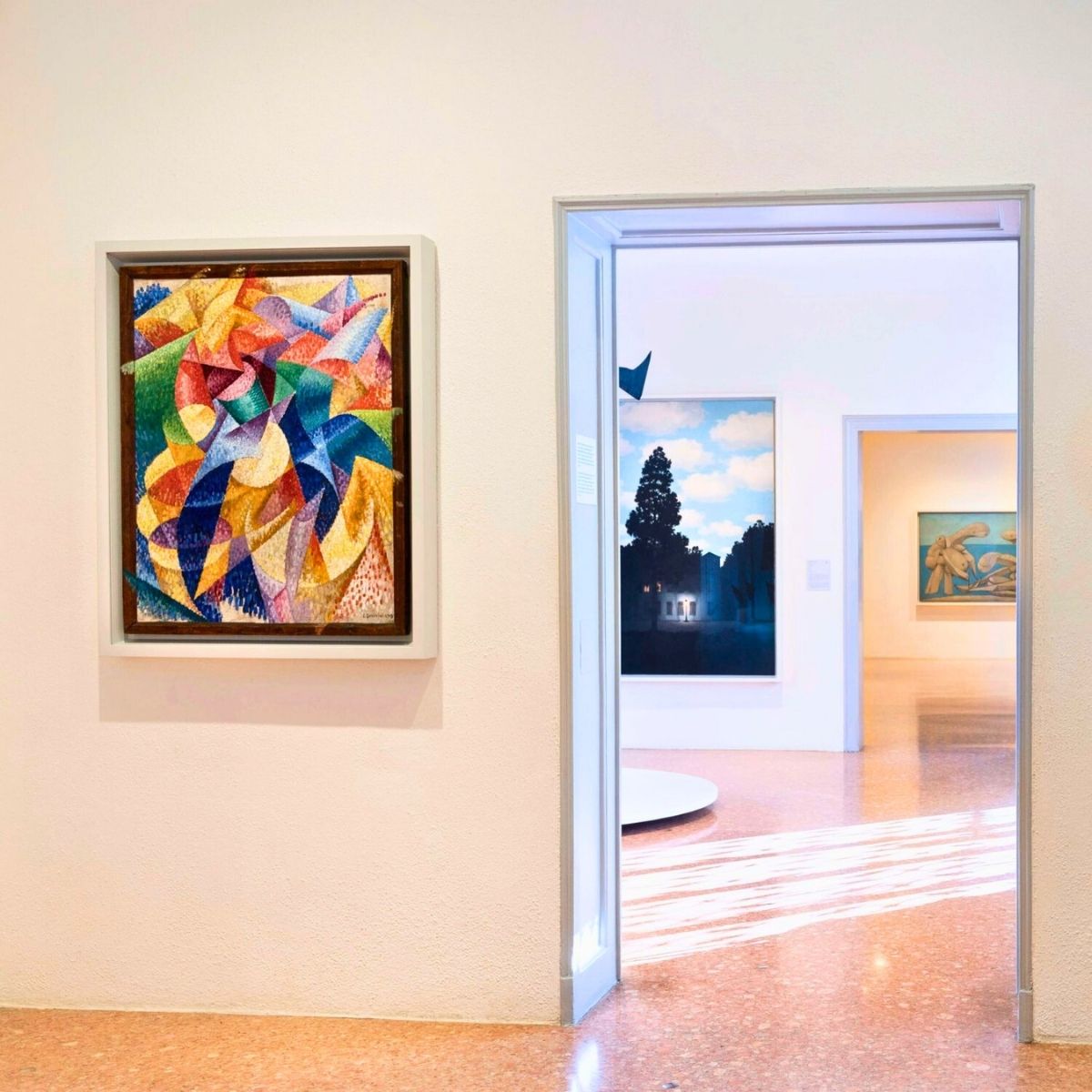
The Peggy Guggenheim Collection is one of the most important museums of modern art in Europe, housed in Peggy Guggenheim's former home on the Grand Canal. Her collection of over 200 works, assembled with extraordinary instinct during the 1940s and 50s, spans Cubism, Futurism, Surrealism, and Abstract Expressionism with pieces by Picasso, Braque, Leger, Dali, Magritte, Ernst, Pollock, de Kooning, and Rothko. The canalside sculpture garden is one of the most serene spaces in Venice.
- Jackson Pollock's earliest drip paintings, Guggenheim was Pollock's first major champion; the collection holds key early works including several major canvases from 1942–47.
- Marino Marini's Angel of the City, the equestrian bronze sculpture on the Grand Canal terrace is one of Venice's most recognizable contemporary artworks.
- The sculpture garden, works by Giacometti, Brancusi, Arp, and others set in a peaceful garden providing one of Venice's most tranquil outdoor spaces.
- Max Ernst, Salvador Dali, and Rene Magritte rooms, the Surrealist holdings are among the finest in any European museum.
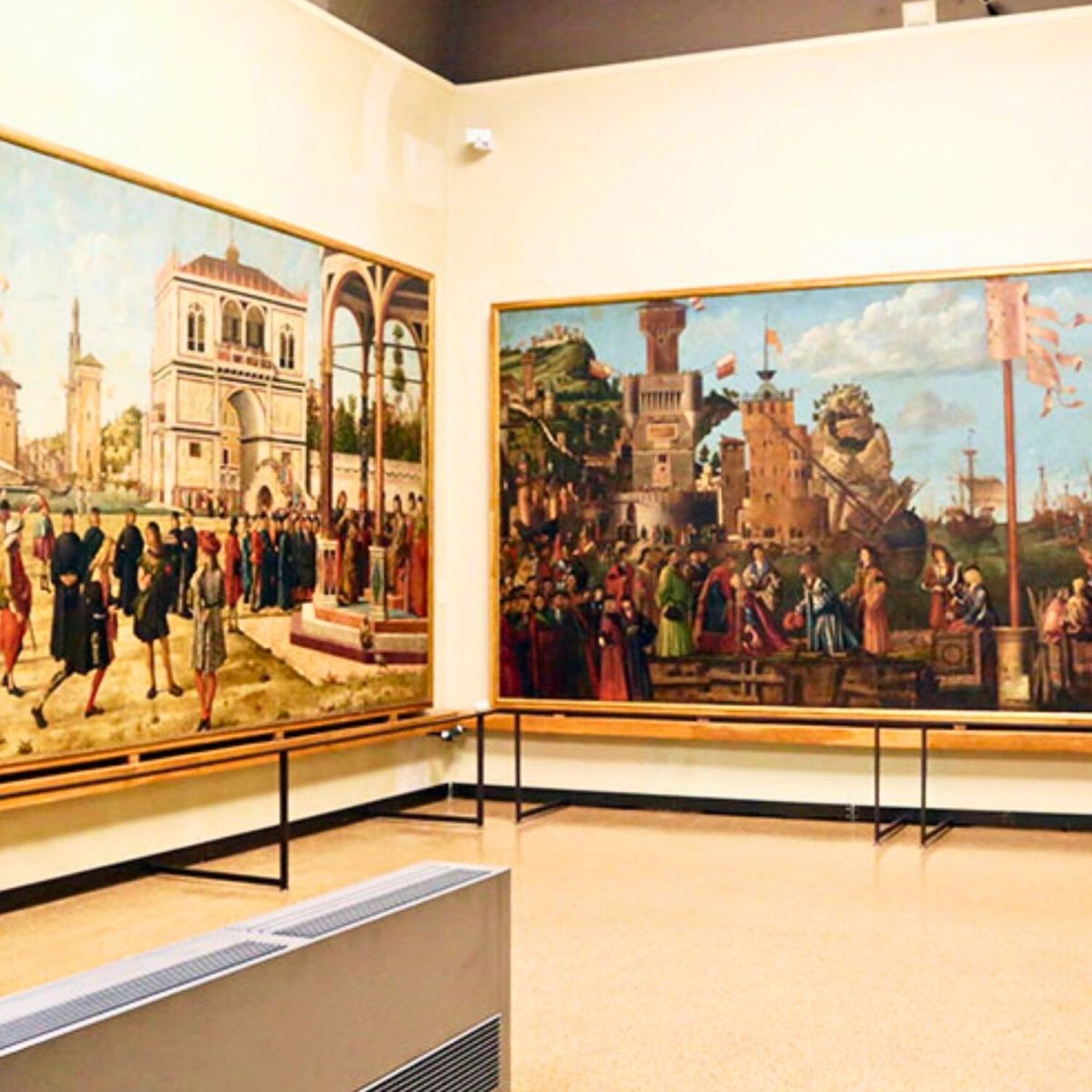
The Gallerie dell'Accademia holds the world's finest collection of Venetian painting, a journey from the Byzantine gold-ground paintings of the 14th century through the High Renaissance luminosity of Giovanni Bellini, Giorgione, and Titian, to the dramatic theatrical canvases of Tintoretto and Veronese, and the 18th-century vedute of Canaletto and Tiepolo. For anyone who has seen Venice's actual canals, bridges, and piazzas, seeing them depicted in these paintings is an extraordinary experience.
- Giorgione's The Tempest, one of the most mysterious and discussed paintings in Western art history, a small canvas of extraordinary atmospheric quality.
- Titian's Presentation of the Virgin, painted for the room in which it still hangs, this monumental canvas is one of the artist's greatest narrative works.
- Veronese's Feast in the House of Levi, a vast, joyous canvas originally intended as a Last Supper until the Inquisition objected to its exuberant cast of characters.
- Bellini room, Giovanni Bellini's polyptychs and altarpieces represent the highest achievement of early Venetian Renaissance painting.
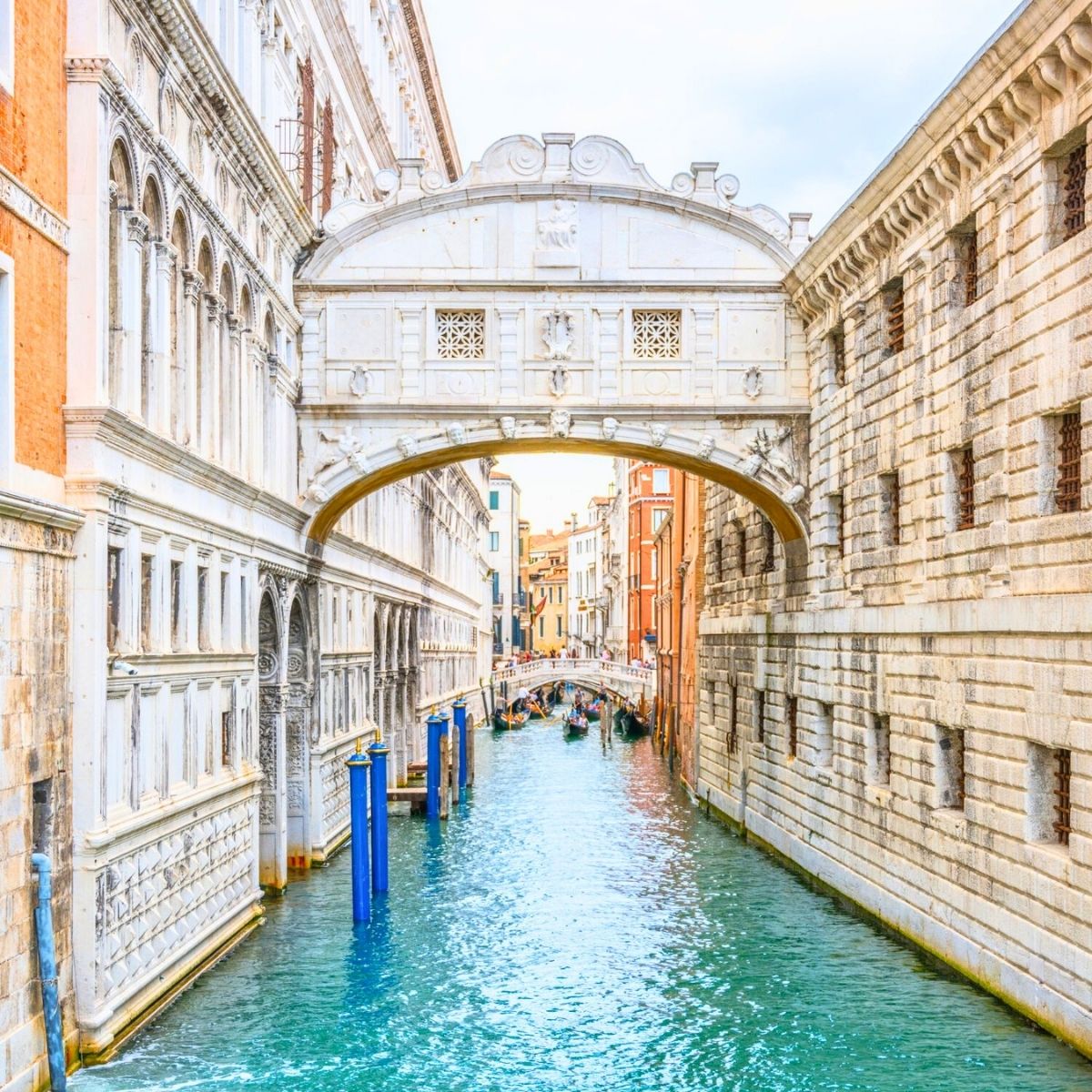
The Bridge of Sighs (Ponte dei Sospiri) connects the Doge's Palace to the New Prison across the Rio di Palazzo, and prisoners in the 17th and 18th centuries passed through it on their way to sentencing, catching their last glimpse of Venice's canals and sky through the bridge's small barred windows. Byron immortalized it in Childe Harold's Pilgrimage, cementing its romantic-melancholy reputation. Today it's one of Venice's most photographed and emotionally resonant landmarks.
- The external view from Ponte della Paglia, the best view of the bridge's ornate white Istrian stone facade. Early morning gives you this view without the crowds that gather all day.
- Walking through the bridge, included in the Doge's Palace ticket. The small barred windows through which condemned prisoners looked are narrow and atmospheric.
- The old prison below, the Doge's Palace tour continues through the 16th-century prison cells below the bridge, where visitors can read prisoner inscriptions carved into the walls.
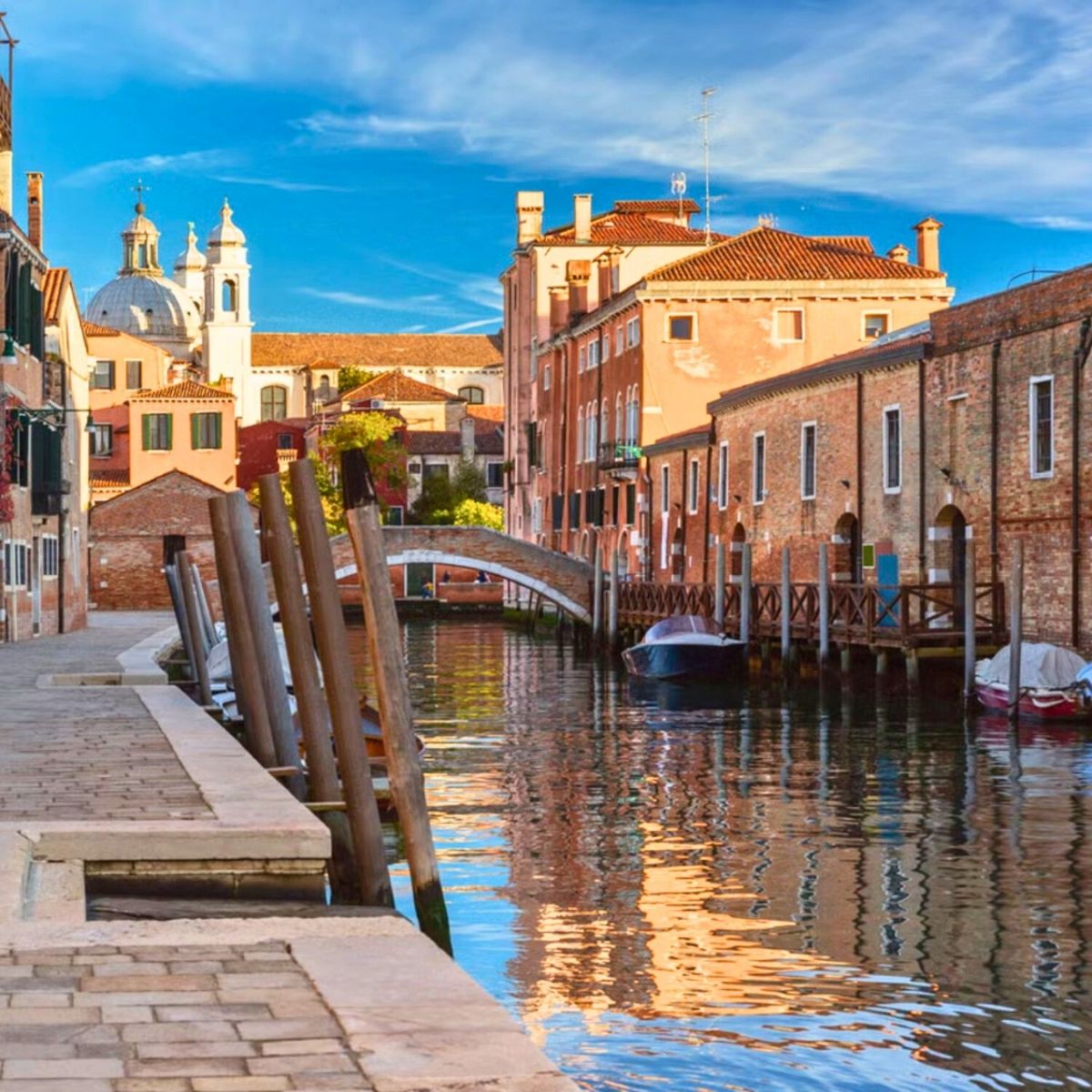
Dorsoduro is Venice's most livable and most beloved neighborhood, a district of narrow canals, beautiful campos (squares), art galleries, independent cafes, and the best bacari in the city, where students from the nearby Ca' Foscari University give it a lively, genuinely local character that the San Marco area has almost entirely lost to tourism. It contains two of Venice's finest museums (Accademia and Guggenheim), the Zattere promenade, the Santa Maria della Salute church, and the best casual dining in Venice, all without the crowds of the center.
- Campo Santa Margherita, Venice's most atmospheric and lively square, ringed by bars and cafes, filled with students and locals all day. The best place in Venice for a morning coffee or an early evening spritz among Venetians rather than tourists.
- Santa Maria della Salute, the great Baroque domed church at the southern tip of Dorsoduro, commissioned in thanksgiving after the 1631 plague. The interior holds Titian's extraordinary St. Mark Enthroned altarpiece.
- Squero di San Trovaso, one of the last working gondola repair yards in Venice, visible from the canal. Gondolas are brought here for maintenance using techniques unchanged for centuries.
- Zattere promenade, the long sunny waterfront stretch along the Giudecca Canal, ideal for a morning walk or evening gelato with views toward Giudecca island.
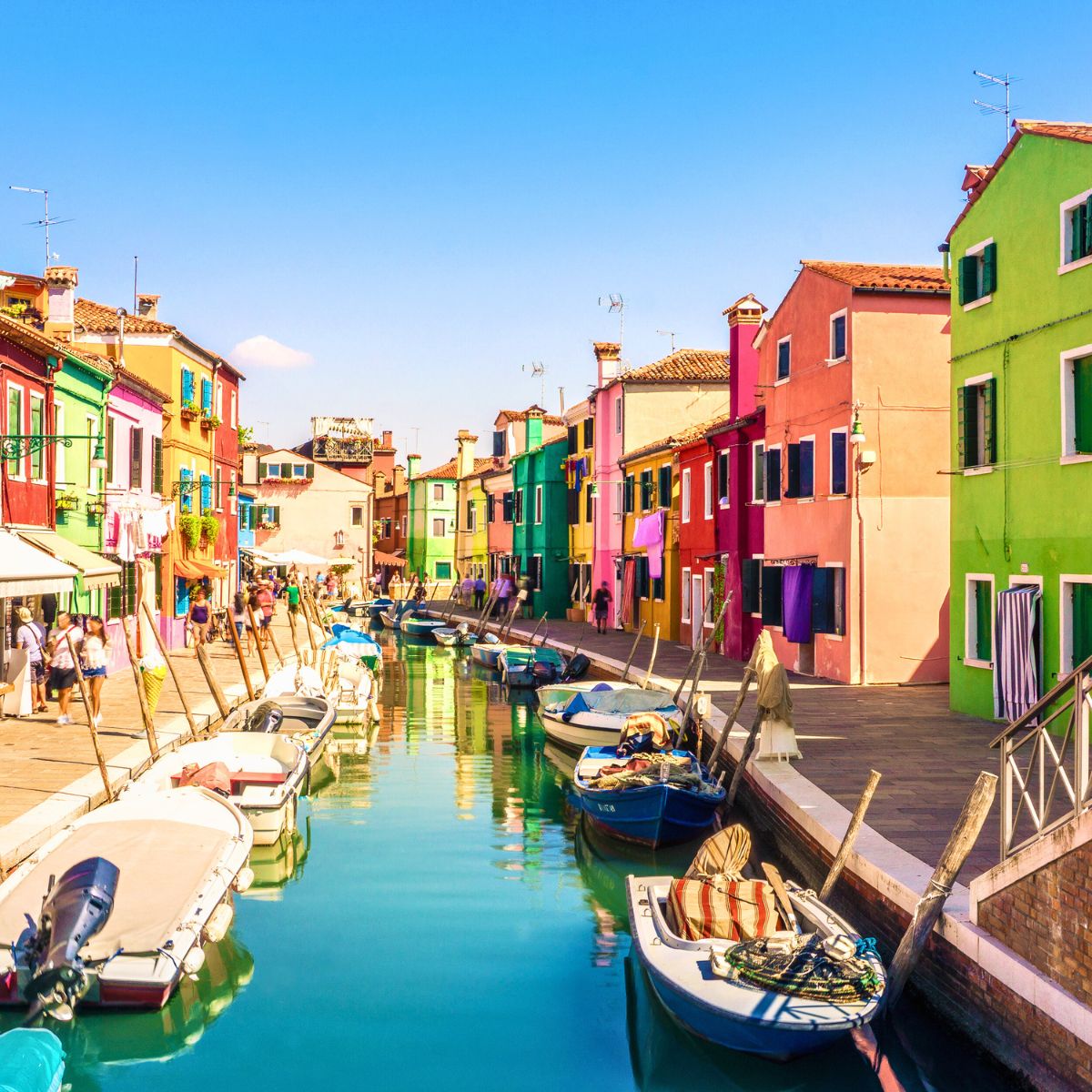
The islands of Murano and Burano offer two of the most rewarding escapes from Venice's main tourist circuit. Murano's glassblowing has been practiced continuously since 1291, when the Republic moved its furnaces to the island to protect Venice from fire. Burano's candy-colored houses and intricate needlepoint lace make it one of the most visually striking places in the entire Veneto region. Together in a single day, they make for one of the finest excursions available from any Italian city.
- Murano, glassblowing demonstration, visit a working furnace (fornace) in the morning when the glass masters are most active. The craft of manipulating molten glass into chandeliers, vases, and jewelry is extraordinary to watch.
- Murano, Museo del Vetro, the Glass Museum covers the 700-year history of Murano glassmaking with remarkable historical pieces.
- Burano, the colored houses, the island's streets of intensely painted houses are among the most photographed scenes in Italy. The best light for photography is in the afternoon.
- Burano, lunch at a seafood trattoria, the island has several excellent local restaurants serving the freshest lagoon seafood. Eating here rather than rushing back to Venice for lunch is strongly recommended.
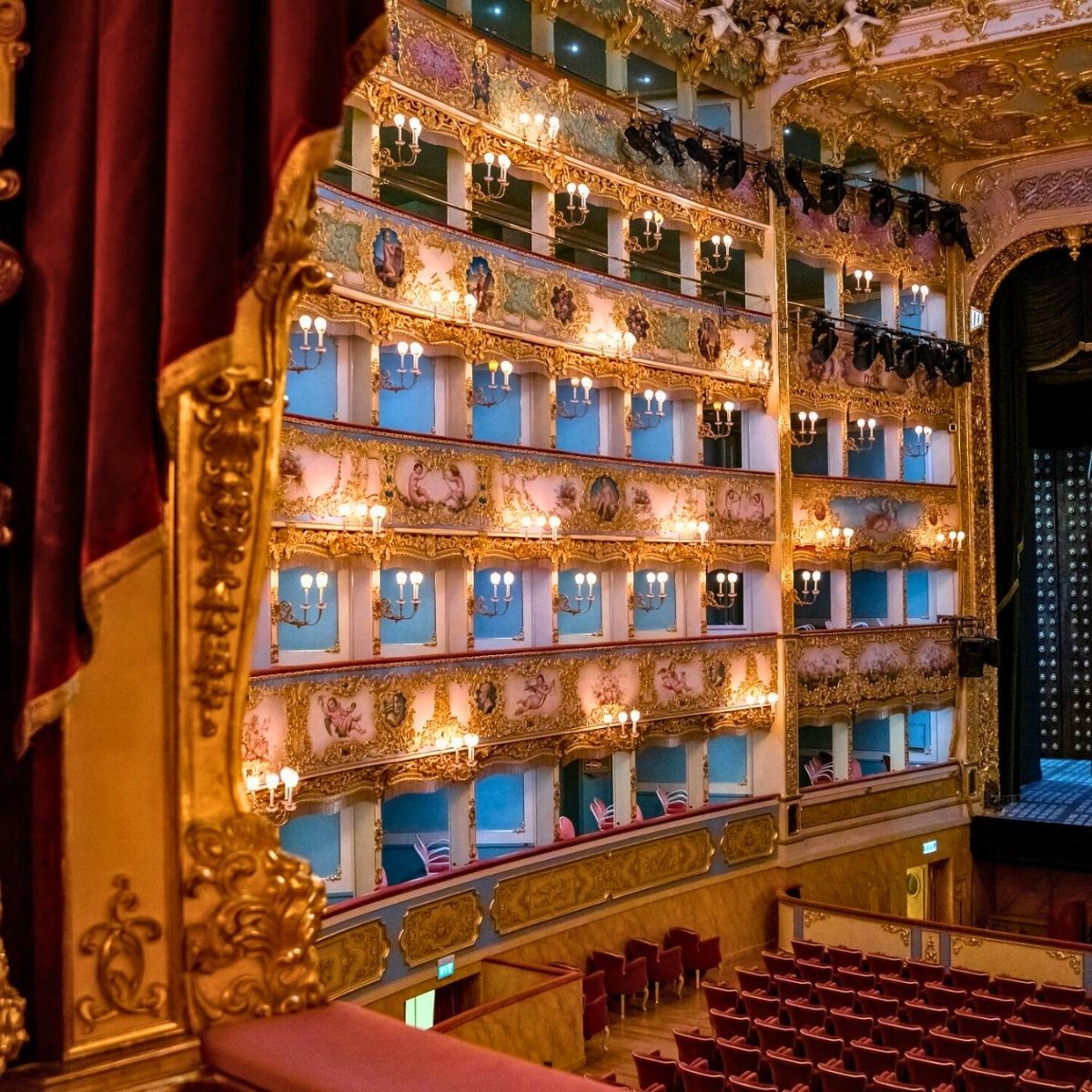
Teatro La Fenice, "The Phoenix," named for its repeated resurrections after catastrophic fires, is one of the world's great opera houses and Venice's most important cultural institution. Originally built in 1792 and rebuilt after fires in 1836 and 2003, La Fenice has hosted the world premieres of Verdi's Rigoletto, La Traviata, and Simon Boccanegra. Its interior, five horseshoe tiers of gilded boxes in cream, red, and gold, culminating in a ceiling fresco and a magnificent chandelier, is one of the most beautiful theatrical interiors in Europe.
- The auditorium, five tiers of gilded boxes surrounding one of Italy's most beautiful theatrical stages. The acoustic design and the sheer physical presence of the space are extraordinary.
- The foyer and grand staircase, the entrance spaces are equally ornate and provide a sense of what arriving at the opera meant to 18th-century Venetian society.
- Evening performance, La Fenice's opera and ballet season runs October through June. Attending a performance, particularly Verdi's La Traviata, premiered here in 1853, is one of the finest cultural experiences Italy offers. Check teatrolafenice.it for the programme.
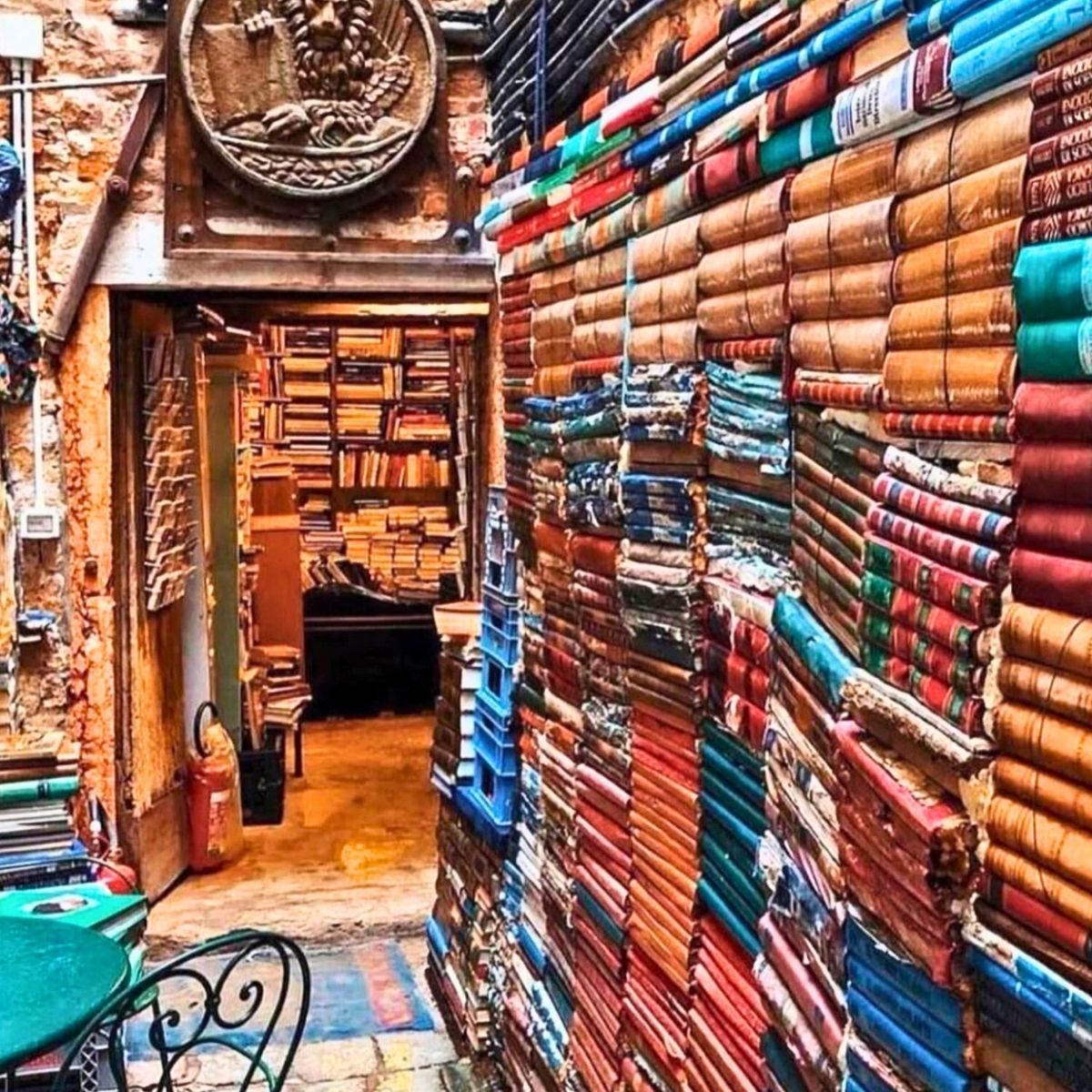
Libreria Acqua Alta, "The Bookshop of High Water," is one of Venice's most beloved and genuinely eccentric institutions. Books are stacked in gondolas, bathtubs, canoes, and waterproof containers to protect them from the acqua alta flooding that periodically inundates this Castello neighborhood. The result is a delightfully chaotic, photogenic space that feels completely Venetian in its pragmatic creativity. The book staircase in the back courtyard, constructed from books that didn't survive flooding, overlooks a canal and provides one of the more unusual photo opportunities in any European city.
- The main shop interior, the creative storage solutions (gondola full of books, bathtub library, stacked crates) make for genuinely unusual and photogenic browsing.
- The book staircase, in the back courtyard, a staircase made from salvaged books leads to a view over the adjacent canal. A bizarre and characterful Venice moment.
- The resident cats, the shop's famous feline residents add to its unique atmosphere.
- Souvenirs and postcards, the shop sells Venice-themed books, maps, and gifts that make genuine alternatives to mass-produced tourist merchandise.
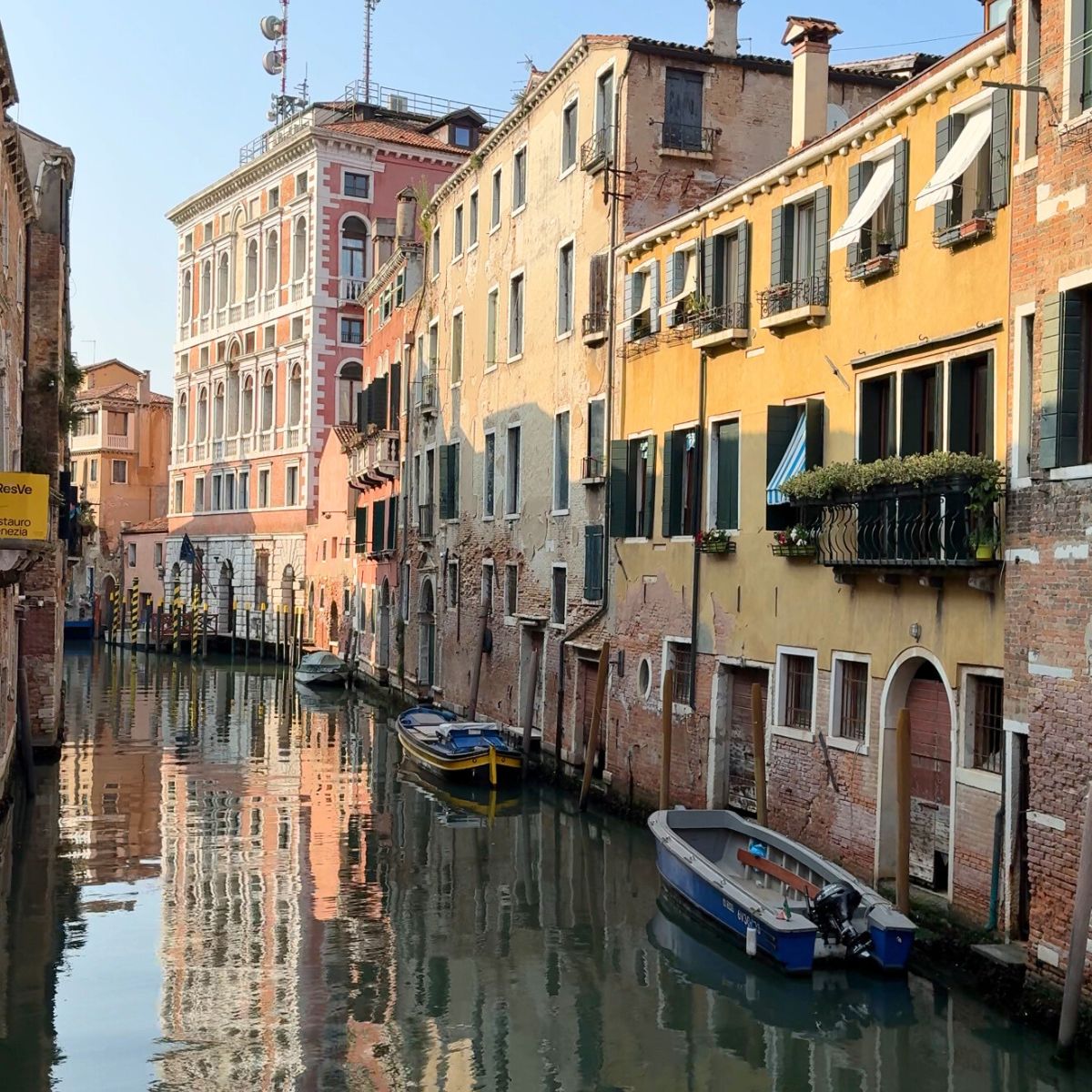
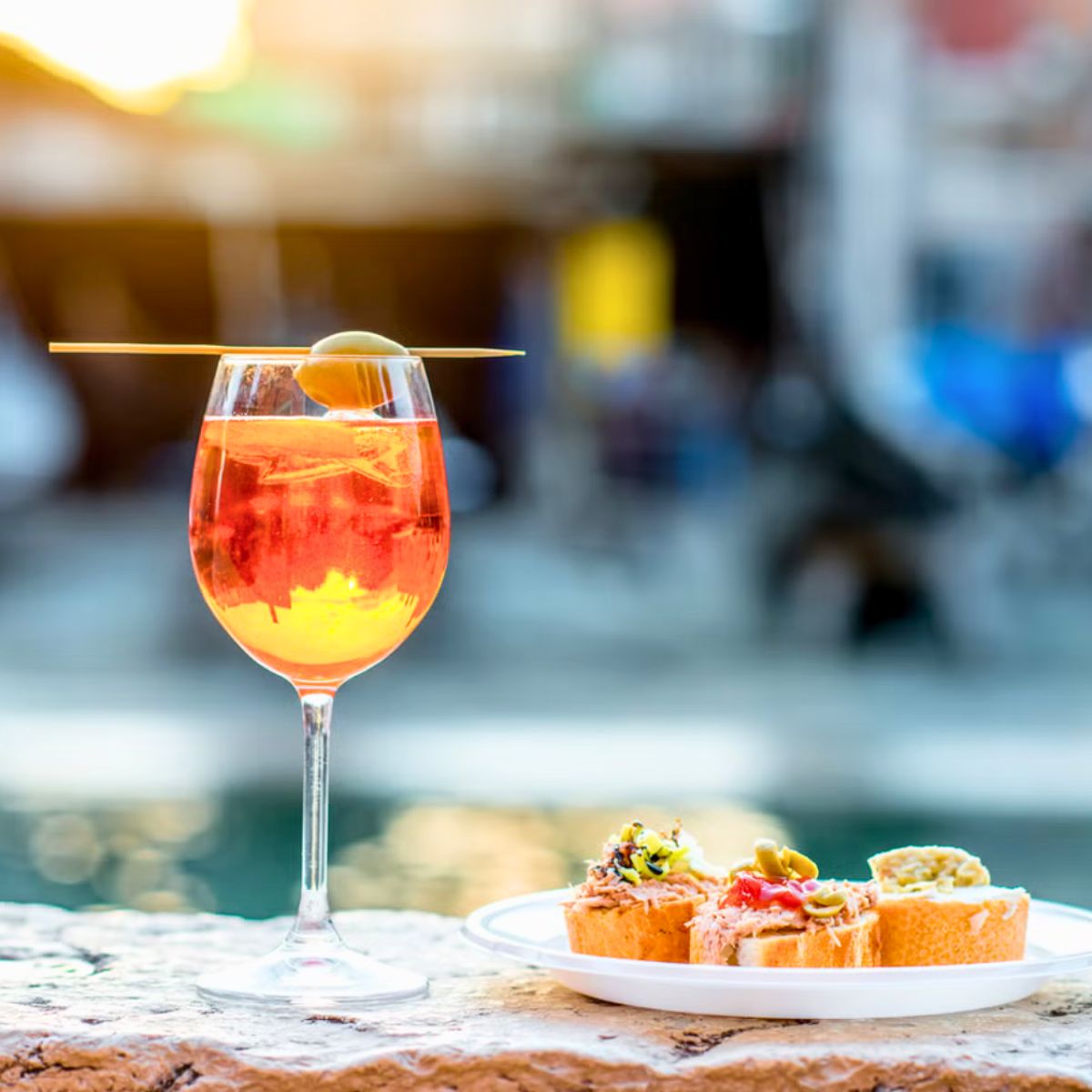
Cicchetti are Venice's greatest culinary contribution to the world, small, beautifully made bites of food served at the bar in local bacari (wine bars) alongside a small glass of wine called an ombra (shadow). This tradition of standing at the bar for a quick bite and a glass before lunch or dinner is as Venetian as the gondola, practiced by locals across the city twice daily, and offers the most affordable and most authentic way to eat in a city where sit-down restaurant dining can be both expensive and mediocre.
- All'Arco (San Polo, near Rialto), tiny, classic, famous for extraordinarily fresh seafood cicchetti made with market ingredients. Standing room only, always crowded with locals. Arrive at 10am.
- Cantina Do Mori (San Polo), Venice's oldest bacaro (est. 1462), a narrow wood-panelled room hung with copper pots. Traditional cicchetti and an excellent ombra selection.
- Osteria al Squero (Dorsoduro), opposite the gondola repair yard, with excellent cicchetti and a local crowd from the nearby university. Perfect for afternoon spritz.
- Bacaro Risorto (Cannaregio), wide variety of cicchetti including seafood, cured meats, and vegetarian options in a cozy, rustic setting.
- Al Timon (Cannaregio), hearty cicchetti and live music in the evenings; excellent for pairing plates with a glass of local wine.
- Bancogiro (San Polo, near Rialto), canal-facing terrace, excellent cicchetti and wine list, particularly good for a longer aperitivo session.
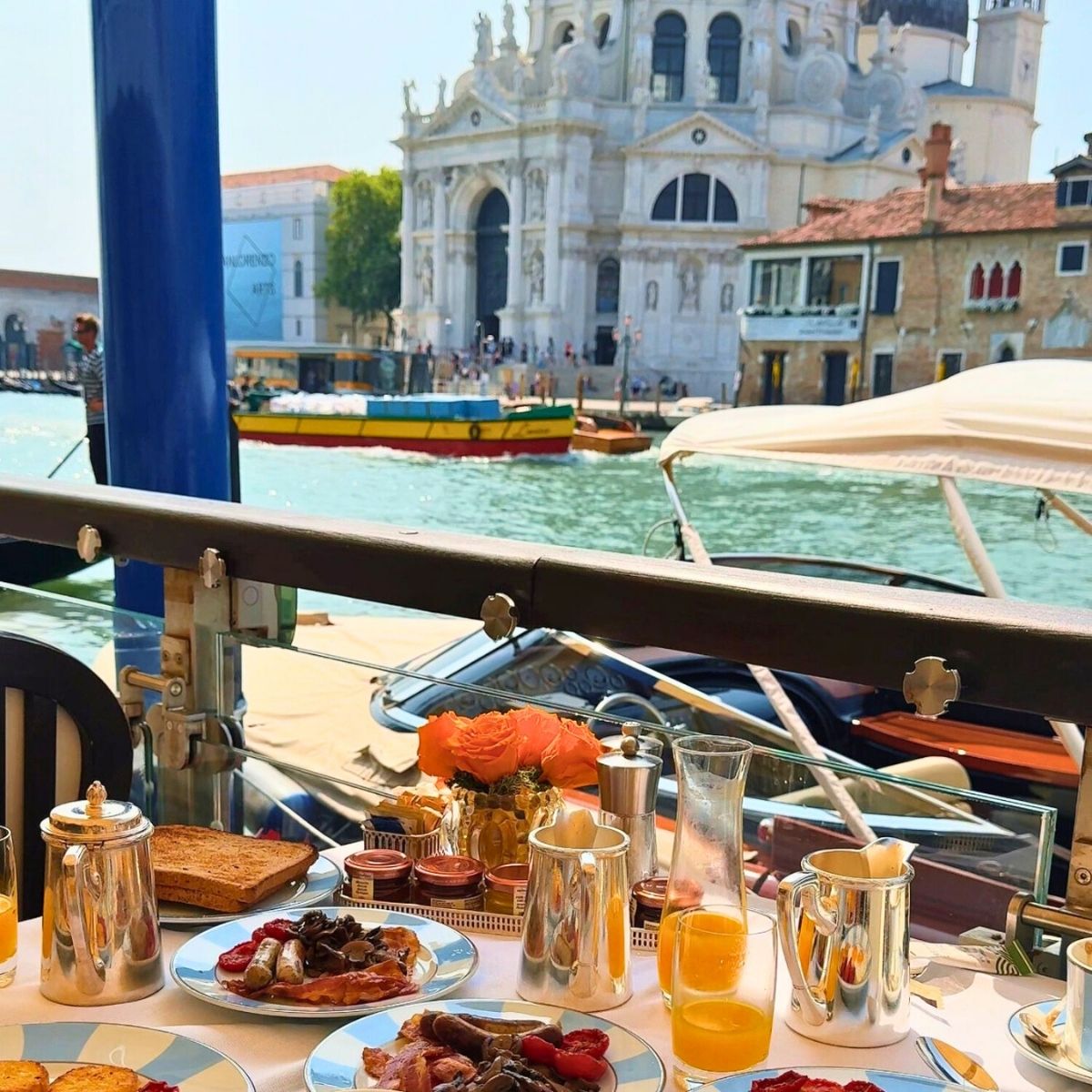
The Gritti Palace terrace, perched directly above the Grand Canal with unobstructed views of Santa Maria della Salute and the basin of San Marco, is one of the world's great hotel terraces, and breakfast here, watching gondolas and vaporetti move across the water as morning light plays on the baroque domes and palazzo facades, is an experience of Venice that no museum or landmark can replicate.
- The Grand Canal terrace, the terrace extends over the canal itself, with front-row views of one of the world's most famous waterways. The Salute dome, the Punta della Dogana, and the boat traffic of the canal provide a continuously changing spectacle.
- The breakfast menu, freshly baked pastries, artisan breads, seasonal fruit, smoked salmon, eggs Benedict, and expertly made espresso and cappuccino.
- Staying at the Gritti, guests enjoy this terrace as their daily breakfast setting. Booking the hotel with VIP perks through a travel advisor (complimentary breakfast included) makes the financial case for staying here considerably more compelling.
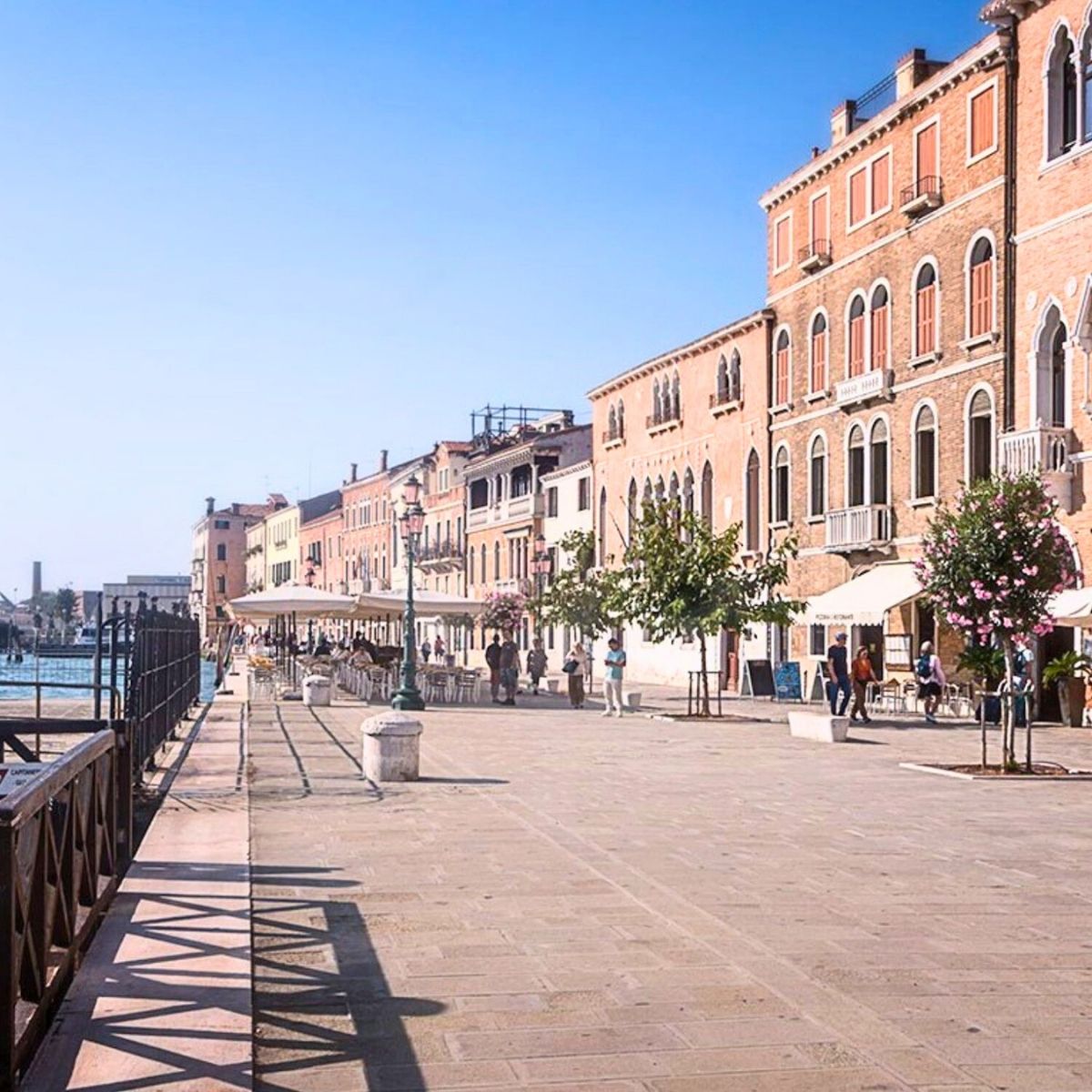
The Zattere is one of Venice's greatest pleasures, a long, wide, sunny promenade stretching the full southern edge of Dorsoduro along the Giudecca Canal, lined with cafes, gelaterias, and historic churches, with views across the water to the island of Giudecca and the Adriatic beyond. It is one of the few places in Venice where you can walk in a straight line for any distance, breathe sea air, and feel the city's relationship to the water most directly.
- Gelateria Nico, one of Venice's oldest gelaterie, famous for its gianduiotto (chocolate-hazelnut gelato block submerged in whipped cream). A Zattere institution since 1935.
- Santa Maria del Rosario (Gesuati), a beautiful 18th-century church directly on the Zattere, with ceiling frescoes by Giambattista Tiepolo.
- Views toward Giudecca, the island across the canal contains the Belmond Hotel Cipriani, the Redentore church (Andrea Palladio, 1577), and a working neighborhood that feels genuinely local.
- Punta della Dogana, at the western end of the Zattere, the former customs house (now a contemporary art space) provides the finest vantage point in Venice for the view across the basin to San Marco and San Giorgio Maggiore simultaneously.
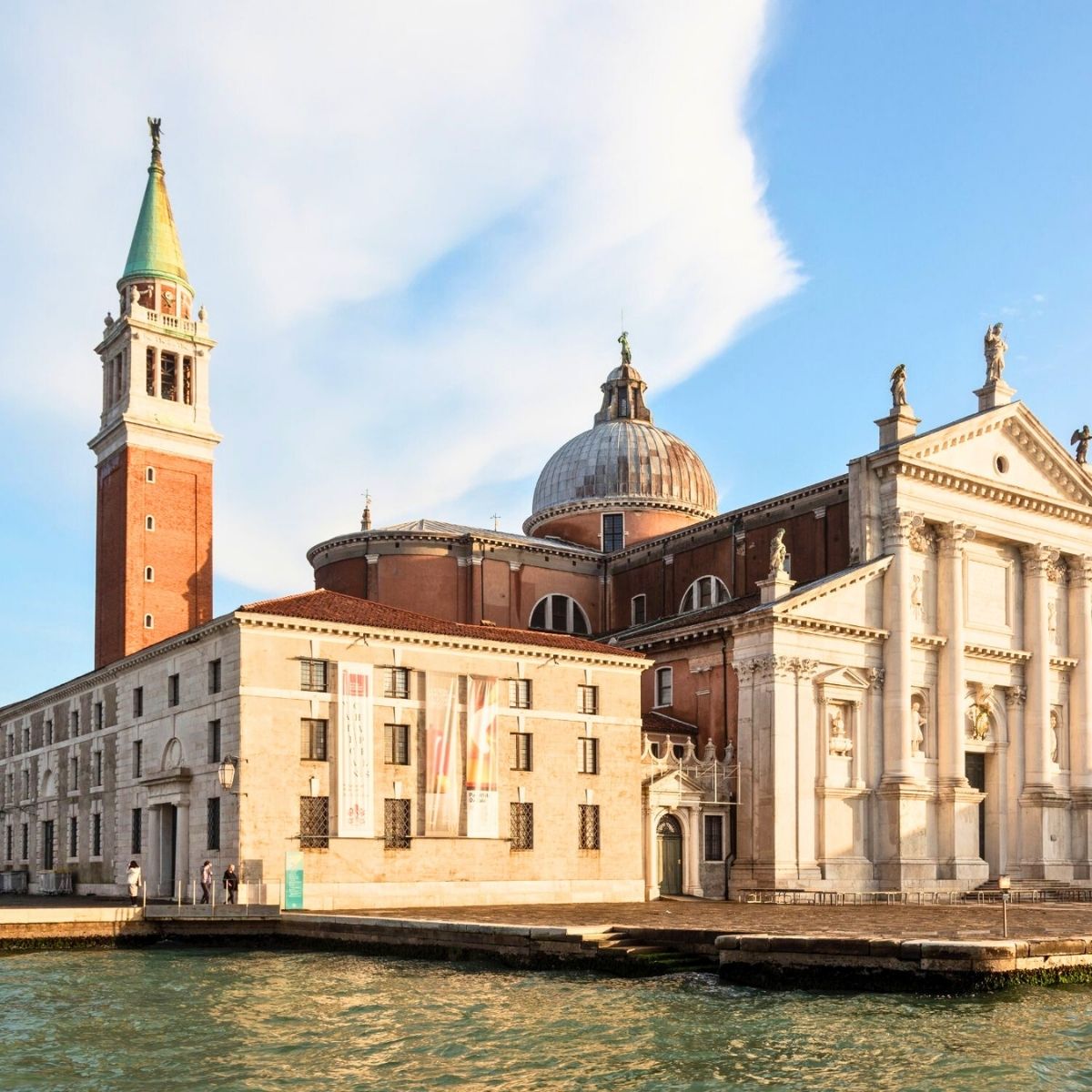
San Giorgio Maggiore sits directly across the Basin of San Marco from Venice's waterfront, a small island dominated by Andrea Palladio's magnificent white marble basilica (1566–1610), one of the Renaissance architect's greatest works. Making the short vaporetto crossing reverses the perspective entirely: from the island's campanile, the view of Venice, St. Mark's Square, the Doge's Palace, the Campanile, the Grand Canal mouth, the Giudecca, is arguably even more beautiful than any view from within the city itself, and almost entirely without the crowds that attend every viewing point on the Venice side.
- The Basilica interior, Palladio's white interior, flooded with natural light, contains important paintings by Tintoretto (the Last Supper and the Gathering of Manna) in the chancel.
- The Campanile view, a separate elevator (modest fee) carries visitors to the top of the bell tower for the finest wide-angle view of Venice available anywhere. St. Mark's Basin, the Lagoon, the Dolomites on clear days.
- The Cini Foundation, the island also contains the Fondazione Giorgio Cini, a cultural institution with beautiful cloister gardens that sometimes hosts exhibitions.
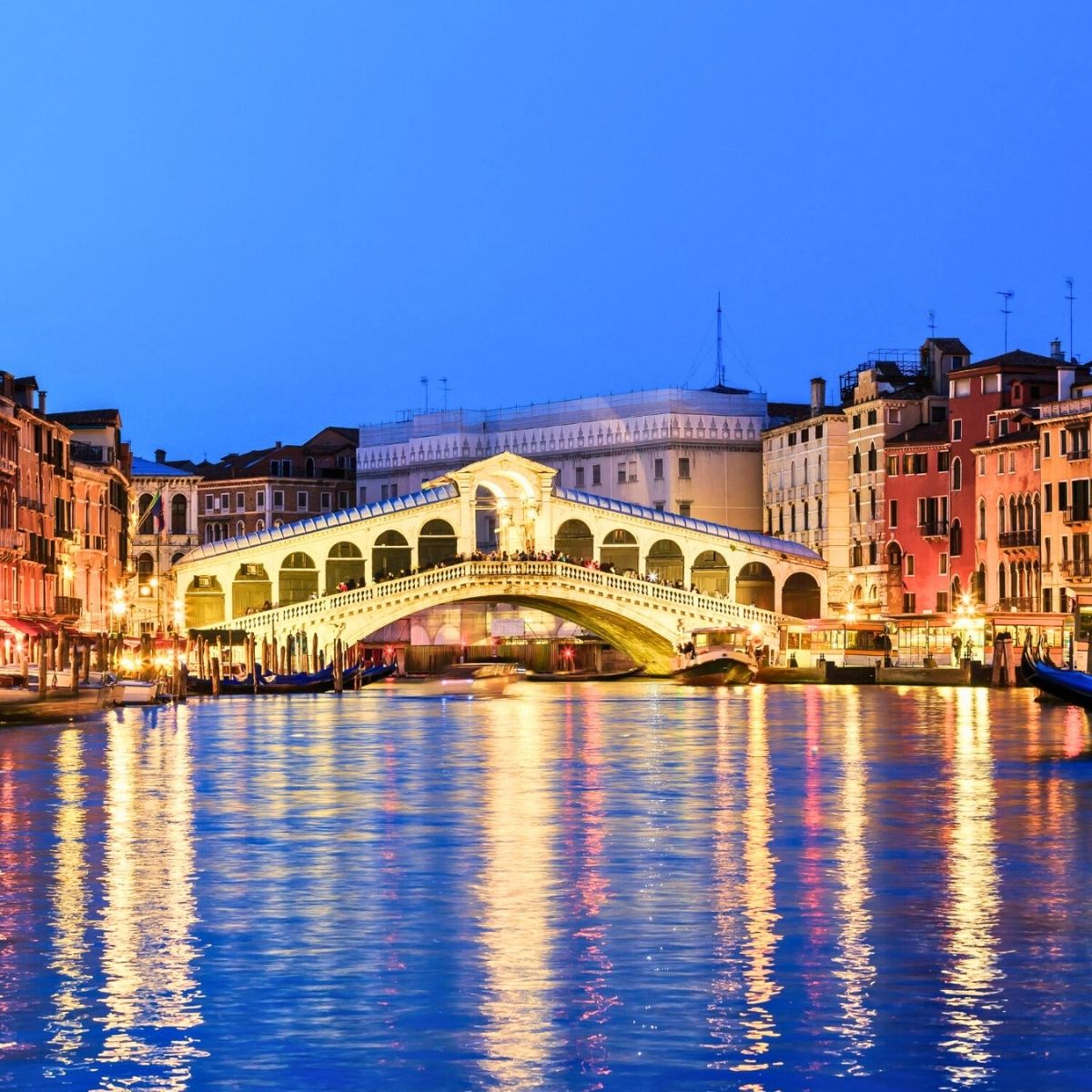
Venice at night is, for many visitors, the most extraordinary version of the city. After 8pm, the day-trippers and cruise ship passengers have departed, the canals quiet dramatically, and Venice becomes genuinely, fully itself in a way that peak daytime hours never quite allow. The reflections of illuminated palazzo windows in the dark water of the canals, the sound of footsteps echoing across empty stone bridges, the Rialto Bridge glowing above its own reflection, and St. Mark's Basilica lit against the night sky are images and experiences that stay with you permanently.
- Piazza San Marco after 9pm, the square empties dramatically in the evening, and with fewer crowds, the Basilica's illuminated gold mosaics and the Campanile lit against the night sky are at their most magnificent and most approachable.
- Rialto Bridge at night, the bridge reflected in the Grand Canal below, with the palace facades on both sides illuminated, is one of Venice's finest photographic subjects and one of its most romantic evening destinations.
- Moonlit gondola ride, a gondola through the smaller canals after dark, when the city is quiet and the reflections on the water are most dramatic, is the most romantic version of what is already Venice's most romantic experience.
- Candlelit dinner in the back streets, Venice's best restaurants are in the quieter sestieri and back streets away from the main tourist routes. Finding your table by following a handwritten menu on a side street, with no other tourists visible, is one of the great pleasures of staying in Venice overnight.
Venice Insider Tips
Pre-book everything that can be pre-booked. St. Mark's Basilica, the Doge's Palace, the Campanile, the Accademia, and the Peggy Guggenheim all offer advance online booking that saves significant time. In peak season (April–October) walking up without a reservation at the Doge's Palace or Accademia risks queues of 1–2 hours. Book before you arrive, this is the single most impactful practical step for a Venice trip.
Stay overnight, don't day trip. Venice changes completely after 6pm when day-trippers and cruise passengers leave. The city becomes quieter, more local, and dramatically more beautiful. The night-time Venice, moonlit canals, empty piazzas, candlelit bacari, is available only to those who sleep here.
Get up early, especially for St. Mark's Square. The difference between St. Mark's Square at 6:30am (empty, golden light, just you and the pigeons) and at 10:30am (thousands of visitors, cruise groups, no space to stand) is complete. Early mornings in Venice, before 8:30am, give you access to a completely different and dramatically more beautiful city. Set the alarm.
Eat cicchetti at local bacari, not restaurants with photos on the menu. The tourist-facing restaurants around St. Mark's Square and the Rialto produce mediocre food at inflated prices. Walk two bridges further in any direction, find a bacaro with Venetians at the bar, and order cicchetti and an ombra. The quality doubles and the price halves. All'Arco, Do Mori, and Bancogiro are the non-negotiable starting points.
Buy a multi-day vaporetto pass on arrival. The Venice vaporetto network covers the entire lagoon, main Venice islands, Murano, Burano, Giudecca, San Giorgio Maggiore, and the Lido, on a single pass. A 48-hour pass (~35 euros) or 72-hour pass (~45 euros) covers all vaporetto journeys and makes the Murano/Burano day trip essentially free relative to individual ticket prices.
Wear comfortable walking shoes, nothing else. Venice is walked, exclusively. The cobblestones, bridge steps, and uneven pavements of 118 islands are hard work in anything other than proper walking shoes. Beautiful footwear is for the terraces and restaurants; comfortable shoes are for the six or more miles of daily walking that a proper Venice visit requires. Bring both.
Venice Travel FAQs
Everything you need to know before visiting Venice, from how many days to spend to where to eat like a local.
The single most essential Venice experience is arriving at St. Mark's Square at sunrise, before the crowds, when the Basilica's gold mosaics catch the first light and the piazza is nearly empty. Pair this with a visit inside St. Mark's Basilica itself (pre-book timed entry) for one of the finest architectural interiors in the world. The Doge's Palace immediately adjacent is equally essential, and the two together make for an unforgettable morning in a city of extraordinary experiences. But the honest answer is that getting genuinely lost in Venice's back streets, without a map, without a destination, at any quiet hour, is the experience most visitors remember longest.
A minimum of 3 full nights is needed to experience Venice properly, covering the major landmarks (St. Mark's Basilica, Doge's Palace, Rialto, Peggy Guggenheim), a gondola ride, a bacaro cicchetti crawl, and the Dorsoduro neighborhood. With 4–5 nights you can add a full Murano and Burano day trip, San Giorgio Maggiore, Teatro La Fenice, and discover the quieter neighborhoods (Cannaregio, Castello) that most visitors never reach. Day-tripping to Venice from somewhere else is possible but genuinely short-changes the city, the best Venice experiences happen after 8pm when the crowds leave, and that requires staying overnight.
Cicchetti are Venice's version of tapas, small bites served at the bar in local bacari (wine bars) alongside a small glass of wine called an ombra. Classic cicchetti include baccala mantecato (whipped salt cod on bread), sarde in saor (sweet-sour sardines), polpette (meatballs), and various fresh seafood preparations. The best bacari are concentrated near the Rialto Market, in Cannaregio, and in Dorsoduro. The non-negotiable starting points are All'Arco (near Rialto, outstanding fresh seafood cicchetti), Cantina Do Mori (Venice's oldest bacaro, est. 1462), and Osteria al Squero in Dorsoduro. Visit between 11am–1pm or 6–8pm for the freshest selections and most local atmosphere.
A standard gondola ride costs 80 euros for 30 minutes (up to 6 passengers), with additional 20-minute increments at 40 euros. Evening rides (after 7pm) carry a 20 euro surcharge. These rates are regulated by the Gondoliers' Association, always confirm the price and duration before boarding. For a much cheaper gondola experience, the traghetto gondola ferries cross the Grand Canal at several points for just 2 euros per person. Gondola rides are best done through the smaller canals rather than the busy Grand Canal, ask your gondolier for a quieter route through San Polo or Cannaregio.
Spring (April–June) and fall (September–October) are Venice's finest travel seasons. Both offer pleasant temperatures, manageable crowds, and the extraordinary light that makes Venice's canals most photogenic. October and November bring acqua alta (seasonal flooding), dramatically atmospheric and logistically manageable with the city's system of raised walkways and rubber boots available in shops. Winter (November–February, excluding Carnival in February) offers the fewest crowds and the most mysterious Venice, empty misty canals and dramatically lower prices. Summer is very crowded and hot but the city is still magnificent for those who plan early mornings and evening activities carefully.
Absolutely, a combined Murano and Burano day trip is one of the most rewarding things you can do from Venice. Murano's glassblowing has continued uninterrupted since 1291, and watching a master craftsman work at a furnace is genuinely extraordinary. Burano's candy-colored houses and lace-making workshops are among the most photogenic scenes in the entire Veneto region. Allow a full day, Murano in the morning when furnaces are most active and glassblowing demonstrations are available, Burano for a long lunch and afternoon photography. Both are reached by vaporetto from Fondamente Nove with a multi-day pass.
The Gritti Palace on the Grand Canal is Venice's most celebrated luxury hotel, a 15th-century palazzo with one of the world's great hotel terraces, legendary interiors, and impeccable service. For the ultimate Venice breakfast with a Grand Canal view, it is unmatched. Other exceptional options: Aman Venice (a Renaissance palazzo with extraordinary private gardens and courtyard), Belmond Hotel Cipriani on Giudecca (famous for its pool and lagoon views), and The St. Regis Venice (elegant and extremely well located). All can be booked with VIP perks through a travel advisor, complimentary breakfast, upgrades, and resort credits at no extra cost.
Venice at a Glance, Quick Reference
- Don't Miss (Non-Negotiable)St. Mark's Basilica · Doge's Palace · Rialto Market at dawn · Cicchetti at All'Arco · Gondola through the back canals · Venice after 9pm
- Best Art & CulturePeggy Guggenheim Collection · Gallerie dell'Accademia · Teatro La Fenice (tour or performance) · Campanile di San Marco
- Best Island EscapesMurano (glassblowing) · Burano (colored houses, seafood lunch) · San Giorgio Maggiore (campanile view) · Giudecca (local life)
- Best Local ExperiencesCicchetti bacaro crawl · Getting lost in Cannaregio or Castello · Zattere promenade at sunset · Campo Santa Margherita evening
- Book in AdvanceSt. Mark's Basilica timed entry · Doge's Palace skip-the-line · Accademia · Peggy Guggenheim · Teatro La Fenice performances
- Best Time to VisitApril–June & September–October · Avoid midday in summer · Sunrise at St. Mark's is essential in any season
- Getting AroundWalk everywhere · Vaporetto multi-day pass for islands and Grand Canal · Water taxi for airport · Never take a boat tour from touts
- Best HotelsGritti Palace (Grand Canal terrace) · Aman Venice (private palazzo) · Belmond Cipriani (pool, Giudecca) · St. Regis Venice
- VIP Hotel PerksBook Venice hotels through me for complimentary breakfast, upgrades & resort credits at no extra cost
Quick Travel Resources
Everything I personally use and recommend to make your Venice trip seamless, from hotel bookings to guided experiences and travel essentials.
I book Venice's finest hotels, Gritti Palace, Aman Venice, St. Regis, Belmond Cipriani, with complimentary breakfast, upgrades, and resort credits at no extra cost.
Book With Me →The travel insurance I use myself. Covers trip cancellations, medical emergencies, vaporetto strikes, and lost luggage throughout Italy.
Get a Quote →Browse my curated Venice experiences, Doge's Palace skip-the-line, St. Mark's Basilica tours, gondola rides, Murano glassblowing, Burano day trips, and cicchetti food walks. Use code TRAVELINGBALANCED5 for 5% off.
Browse Venice Tours →Another excellent source for Venice guided experiences, private tours, Murano glassblowing workshops, Doge's Palace Secret Itineraries, and lagoon excursions.
Browse Experiences →My go-to for private water taxi transfers from Venice Marco Polo Airport to your hotel, and for connections to other Italian cities before or after Venice.
Book a Transfer →My curated travel essentials, comfortable walking shoes for Venice's cobblestones, a compact umbrella for acqua alta season, packing cubes, and everything I actually travel with to Italy.
Shop Now →My complete 14-day fall Italy grand tour, Rome, Tuscany, Florence, Venice, the Dolomites, and Lake Como, with iconic hotels and private transfers throughout.
Read the Itinerary →Let me plan your entire Venice and Italy trip, hotels with VIP perks, advance ticket bookings, water taxi arrangements, and every detail handled.
Learn More →Final Thoughts: Making the Most of Venice
Venice rewards those who arrive with time, a willingness to get lost, and an alarm clock. The city's greatest experiences, the golden morning light on an empty St. Mark's Square, the cicchetti at All'Arco beside locals who do this every day, the moonlit canals after the crowds have gone, are available to everyone, but only at the right hours and with the right pace. Venice punishes rushing and rewards lingering.
Pre-book what needs booking, get up early for the landmarks, eat where the Venetians eat, ride the vaporetto at dawn with your camera, take the gondola through the back canals rather than the Grand Canal, and stay at least three nights so that Venice after dark becomes part of your experience rather than something you read about. That version of the city, available only to those who sleep here, is the most beautiful of all.
More Italy Resources
Everything you need to plan the rest of your Italy trip, from itineraries to the best hotels across the country.