The Ultimate Puglia Travel Guide
From trulli villages and baroque cities to sun-soaked beaches and world-class masserie, this guide gives you everything you need for an unforgettable trip to southern Italy's most captivating region.
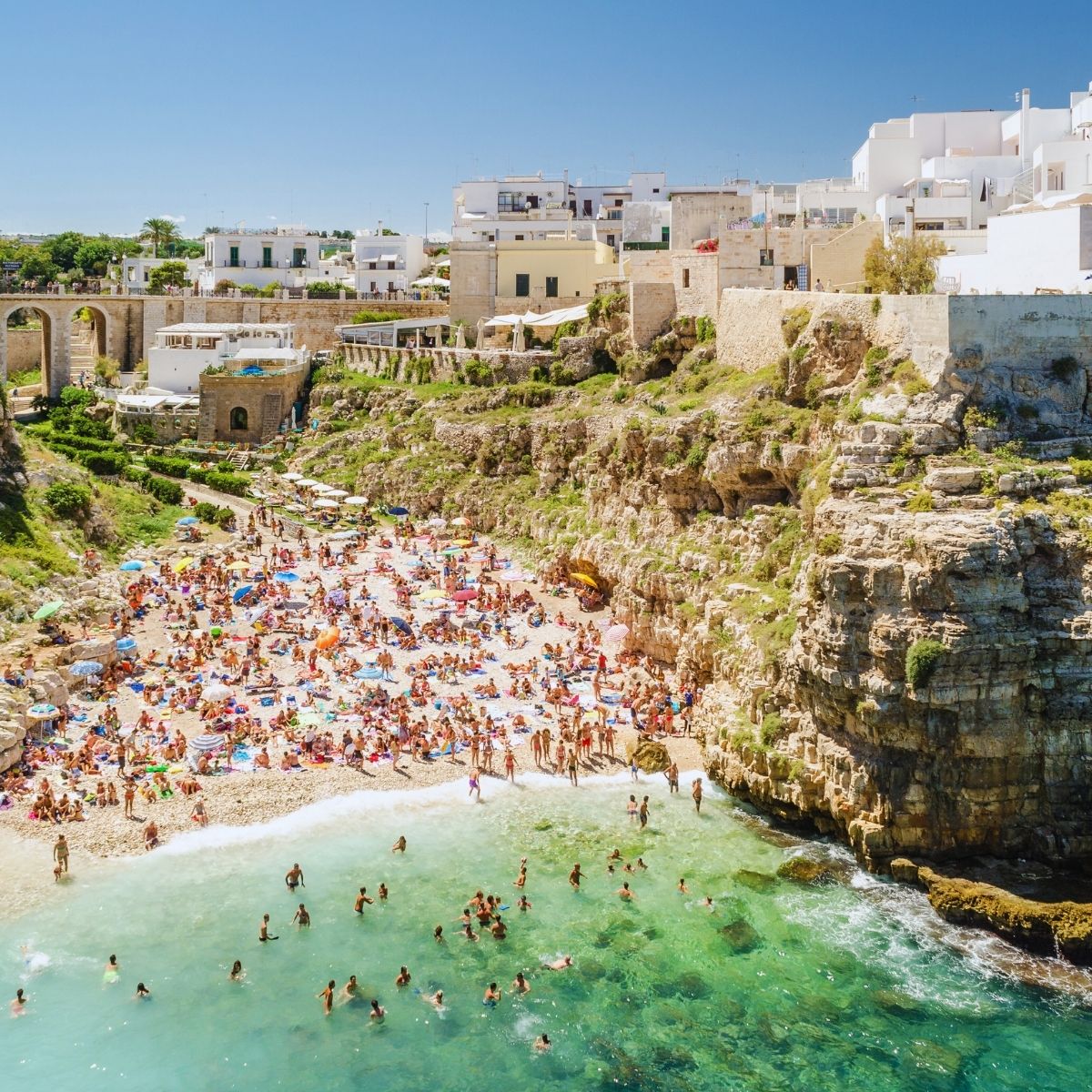
After discovering Puglia, I genuinely struggled to leave. I had been wanting to explore it for years and when my husband and I had the opportunity to spend a month there - we jumped at it. We spent our time moving between the charming towns, staying in masserias, eating orecchiette at tiny tables in alleyways, and watching the sun go down over the Adriatic, and fell in love with this areo of Italy. This Puglia travel guide is everything you need to plan the ultiamte trip to this incredible region.
Puglia is the heel of Italy's boot, a long, sun-drenched region stretching along two coastlines with a remarkable variety of towns tucked between ancient olive groves. It is one of the most underrated regions in the country, and that is changing quickly. The trulli of Alberobello, the whitewashed perfection of Ostuni, the baroque grandeur of Lecce, the cliff-diving coves of Polignano a Mare: each one is genuinely distinct, and together they make a destination that rewards curiosity at every turn. I have planned dozens of Puglia trips for clients as a FORA-certified travel advisor, and the question I always get back is the same: why didn't we come sooner?
This guide covers everything: the key towns and what makes each one worth your time, when to go, how to get there, where to stay including the masseria experience that defines Puglia, the best tours, and the insider tips that will make your trip feel like you already know the place before you arrive.
"Puglia is the Italy most people haven't discovered yet. That is both the reason to go now and the reason you'll spend the whole flight home planning when to go back."
Key Towns of Puglia: Where to Go and Why
One of the things I love about helping people plan Puglia is the conversation about which towns to include. Every traveler has a slightly different answer depending on what they are chasing. Here is my honest breakdown of the key towns worth knowing in this puglia travel guide, what each one is known for, who it is best for, and when to go.
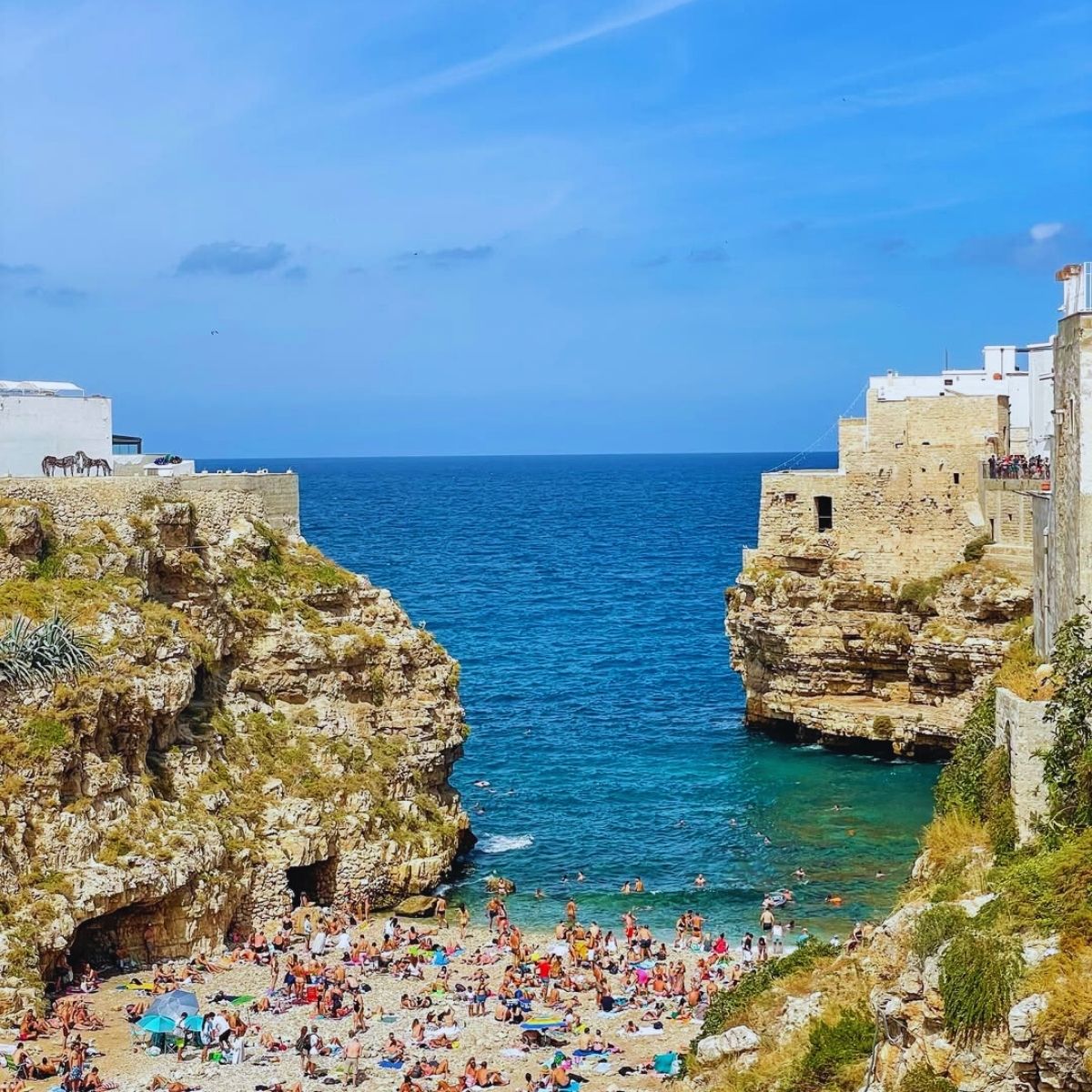
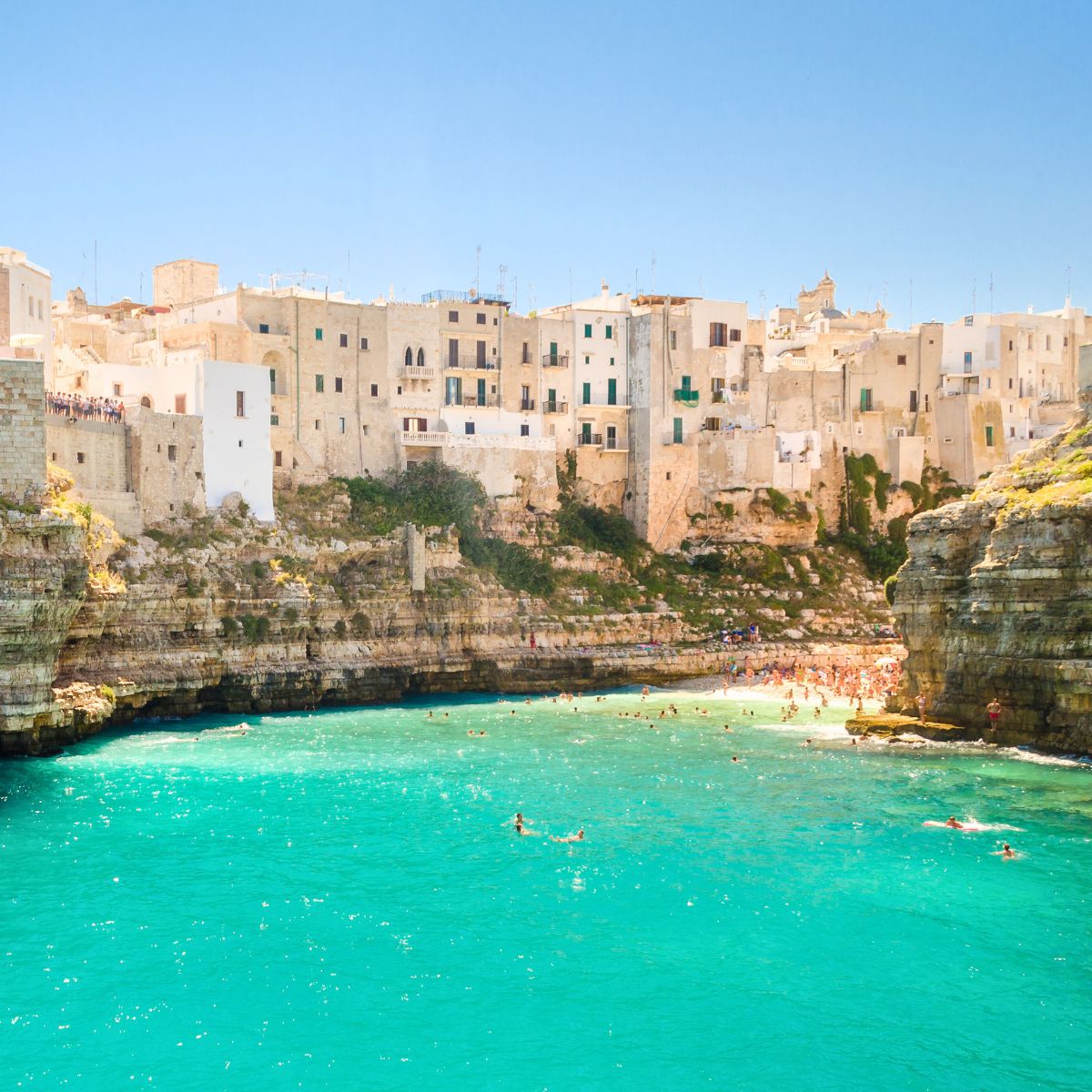
Built on a limestone cliff directly above the Adriatic, Polignano a Mare is one of the most photographed places in southern Italy. The old town is a maze of white alleys ending in sea-view terraces, and the famous cliff coves below the walls draw swimmers from June through September. Best for: first-time visitors who want the defining Puglia image. When to go: May and September for calm water and fewer crowds.
My favorite of the coastal towns. Monopoli has a working harbor, a handsome 16th-century castle on the waterfront, and an old town that still feels like it belongs to the people who live there. The aperitivo scene is excellent, the fish is unbelievably fresh, and you can walk from the old town to a cove beach in fifteen minutes. Best for: travelers who want authenticity over atmosphere. When to go: June and October are ideal.
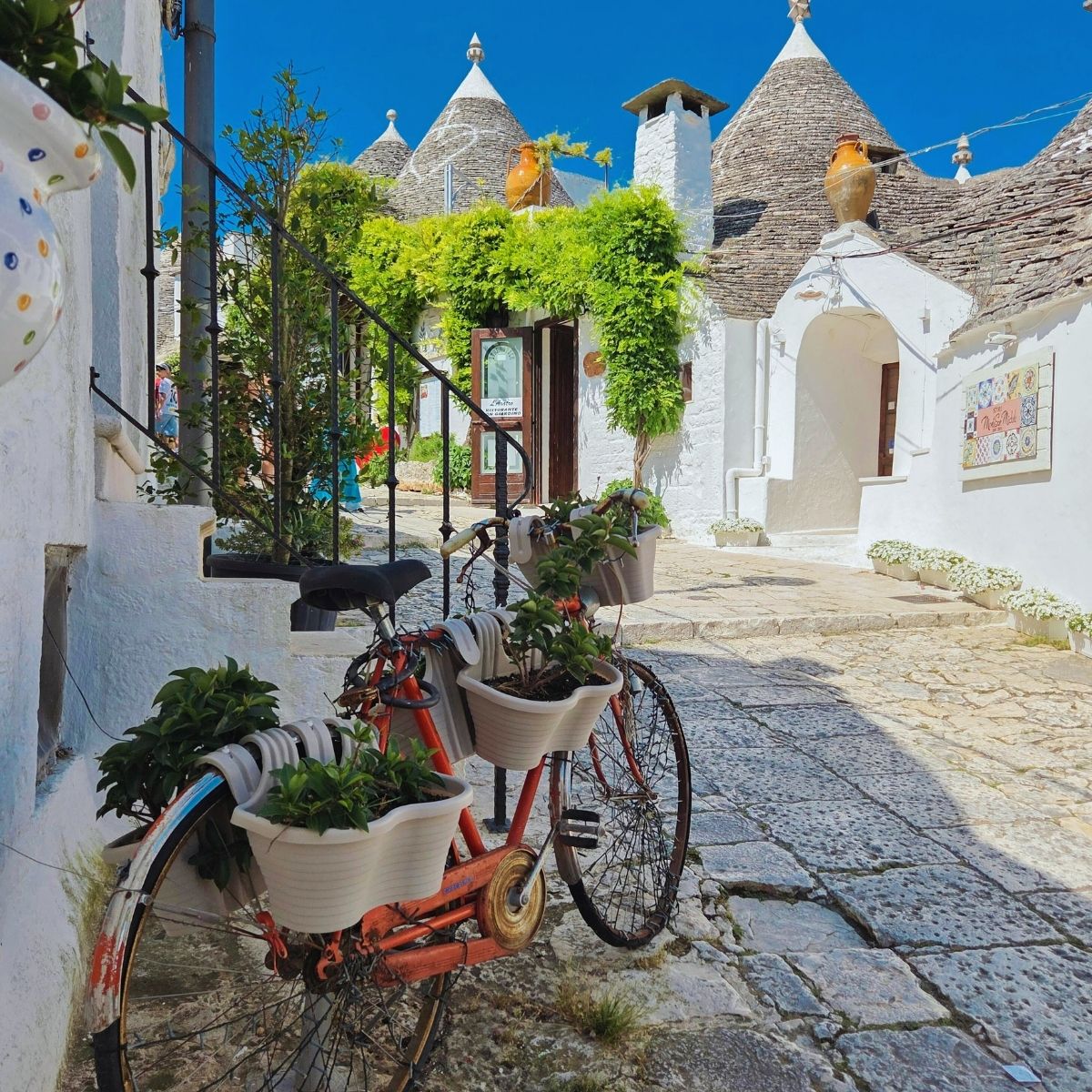
There is nothing else in Italy that looks like Alberobello. The trulli, those extraordinary cone-roofed limestone houses, blanket the hillside by the thousand and create a skyline that looks genuinely otherworldly. Yes, it is touristy, and yes, it is still completely worth it. The trick is to arrive before 9am or stay overnight when the day-trippers are gone. Best for: everyone, at least once. When to go: spring and fall mornings.
Called La Citta Bianca, the White City, Ostuni looks like something from a painting from any angle on the surrounding plain. The historic center is a maze of steep whitewashed lanes that reward wandering. It is also the best base in the region for masseria access, with several exceptional properties within a short drive. Best for: honeymooners, masseria travelers, anyone wanting a quiet hilltop town with great restaurants. When to go: May through October.
Called the Florence of the South, Lecce is the most architecturally extraordinary city in Puglia and one of the most underrated in all of Italy. The entire historic center is built from golden lecce stone, a soft limestone carved into impossibly ornate baroque facades and church interiors. Lecce also has excellent restaurants, a strong cafe culture, and a university-town energy that feels young and alive even off-season. Best for: architecture lovers, history travelers, culture seekers. When to go: year-round.
Fasano sits at the heart of the masseria belt, and Borgo Egnazia, one of the most celebrated resort properties in Italy, is just minutes away. The surrounding countryside of dry stone walls, ancient olive trees, and trulli-dotted hills is supremely photogenic. Best for: luxury travelers, masseria stays, couples who want space and silence. When to go: April through October.
If Alberobello is the famous one, Locorotondo is the one locals actually prefer. Sitting on a hilltop above the Valle d'Itria with a perfectly circular medieval center, it is one of the most underrated towns in southern Italy. The white houses are immaculate, the views across the valley are sweeping, and the local Locorotondo DOC white wine is exceptional. Few tourists make it here. Best for: travelers who want to go beyond the obvious. When to go: June and September.
At the southeastern tip of Puglia, Otranto sits on a stretch of Adriatic so clear and turquoise it looks Caribbean. The Cathedral of Otranto contains the most extraordinary floor mosaic in Italy: a 12th-century tree of life covering the entire nave floor. The beaches nearby, including Baia dei Turchi, are among the finest in the region. Best for: beach travelers, history buffs, those extending a Lecce trip south. When to go: June through September.
Technically just across the regional border in Basilicata, Matera is an essential extension of any Puglia trip. The Sassi, an ancient cave-dwelling city carved into a ravine, is one of the most dramatic sights in all of southern Italy and a UNESCO World Heritage site. Named a European Capital of Culture in 2019. Best for: a day trip or overnight from Alberobello or the Fasano area. Distance from Fasano: approximately 1 hour by car.
Bari is where most international travelers land, and many pass straight through. Do not. The old town of Bari Vecchia is a labyrinth of narrow lanes where grandmothers make orecchiette by hand on the street every morning. The Basilica di San Nicola is one of the finest Romanesque churches in Italy. The lungomare (seafront promenade) is excellent for an evening passeggiata. Best for: arrival orientation and food lovers. One full day is ideal.
Best Time to Visit Puglia
Puglia has a Mediterranean climate with long, hot summers and mild winters. Getting the timing right matters: the difference between May and August in a hilltop town is the difference between a charming wandering afternoon and a very sweaty queue.
Puglia by Season: What to Expect
- Best overall: Late May, early June, and September. You get warm weather, open beaches, and a masseria experience without the August crush.
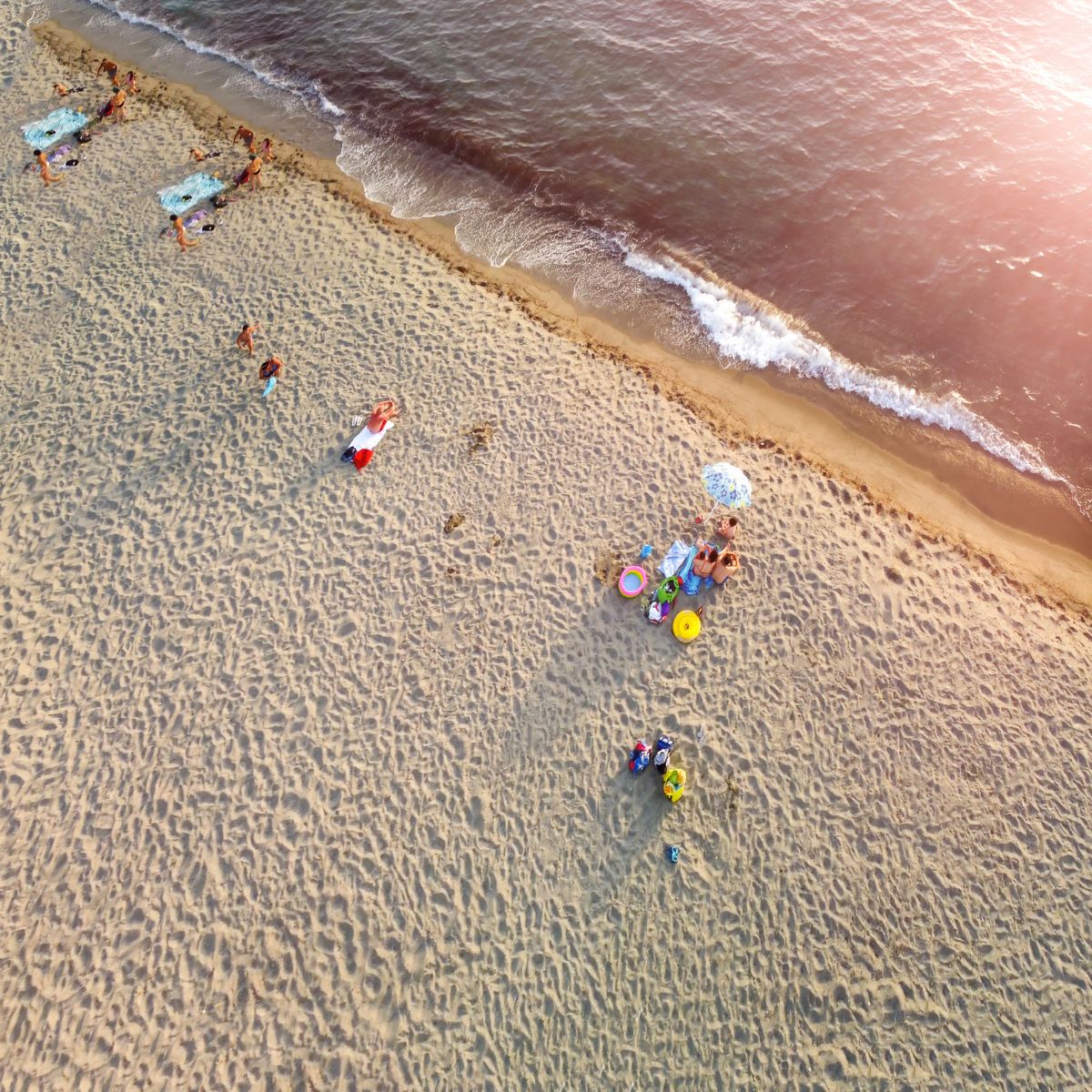
- Best for beaches: June through mid-September. The Adriatic water temperature peaks in August, but crowds also peak.
- Best for food and wine: October. The olive harvest is underway, local wineries do tastings, and trulli towns feel authentically local again.
- Avoid if possible: The week of August 15 (Ferragosto). The entire country shuts down and the beaches are at maximum capacity.
How to Get to Puglia and Getting Around
Puglia is straightforward to reach by air, and a rental car is strongly recommended once you are there. Public transport between towns is limited and time-consuming. The freedom to drive your own route is a big part of what makes a Puglia trip feel special.
Bari Karol Wojtyla Airport (BRI) is the main gateway for northern Puglia and the Valle d'Itria. Direct flights operate from London, Paris, Frankfurt, Amsterdam, and via connections from major US hubs through Rome or Milan. The airport is about 10km from Bari city center and roughly 60km from Alberobello and Fasano.
Brindisi Airport (BDS) is the better choice if your base is Ostuni, Lecce, or Otranto. It has direct connections from London, Milan, and other European cities and is about 30 minutes from Lecce and 45 minutes from Ostuni. Consider flying into Bari and out through Brindisi for a natural one-direction route.
For a smooth arrival, a private transfer from Bari or Brindisi airport directly to your masseria or hotel is the best option, especially with luggage or a late flight. I book through Daytrip for flat-rate professional drivers who know the region.
Renting a car is the single best decision you can make in Puglia. The masserias are rural by nature, the best beaches require a car to reach, and the countryside between towns is what ties the whole experience together. Roads are easy to navigate, parking is generally available, and driving between towns is one of the genuine pleasures of the trip.
For travel insurance before your trip, I recommend Faye travel insurance. It covers trip cancellations, flight delays, medical emergencies, and lost luggage, and the app makes managing claims simple. Worth it for any international trip to Italy.
If you are planning a full Puglia road trip, my 7-day Puglia itinerary maps out exactly how to structure the route, which towns to base yourself in, and how to sequence the drives for the best experience.
Where to Stay in Puglia: Masserias and the Best Hotels
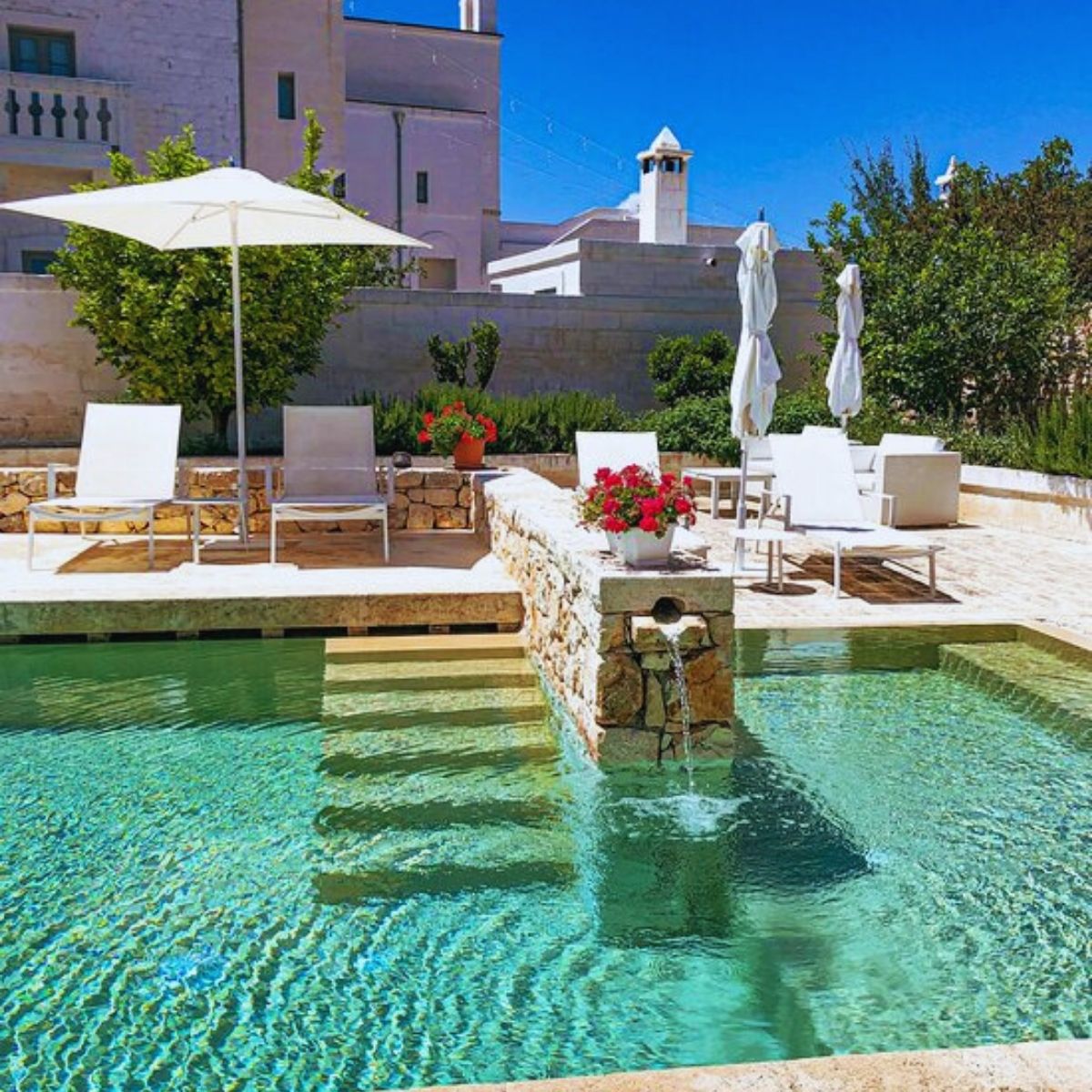
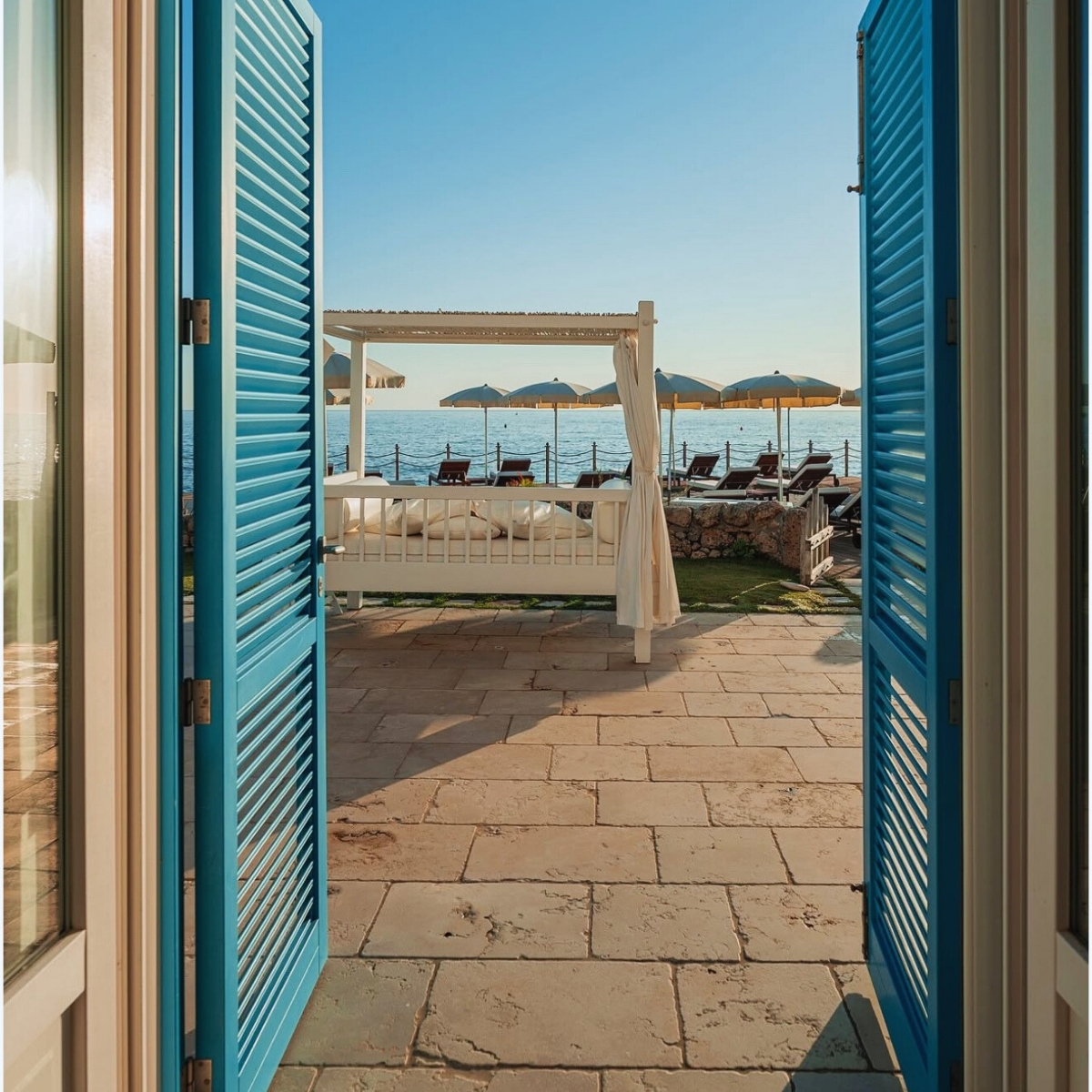
Staying in a masseria is one of those experiences that defines a Puglia trip the way no other hotel type can. These are ancient fortified farmhouses, some dating back centuries, converted into luxury hotels with pools, restaurants, spas, and farm-to-table dining built around their own olive groves. They sit in open countryside between towns, surrounded by silence and ancient landscape, and they are unlike anything else in Italy.
My full breakdown of the best properties across the region is in my guide to the top hotels in Puglia. Below are the two I recommend most consistently to clients.
No. 1 · Best Overall Puglia Masseria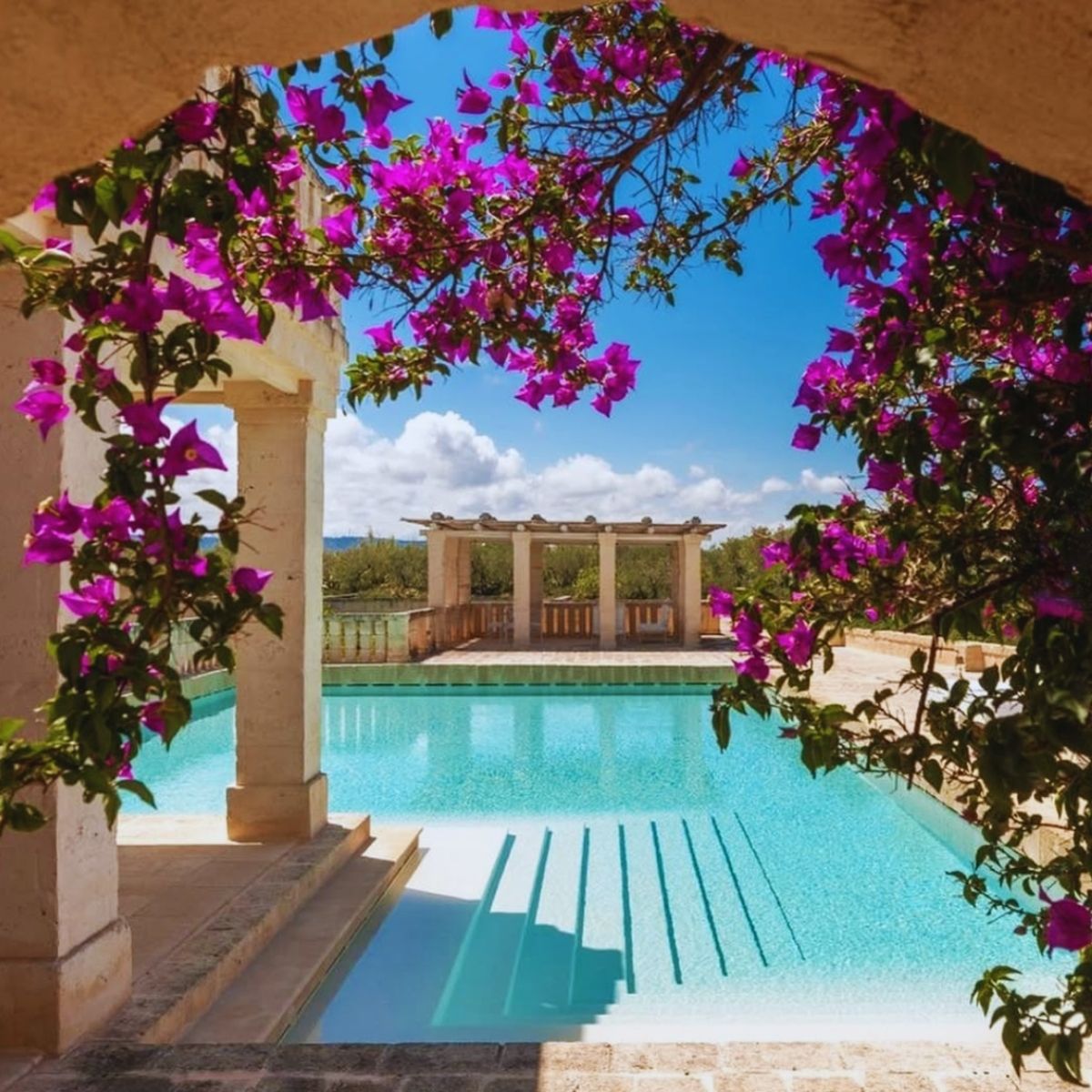 Top Pick
 Classic Choice
More Puglia Hotels Worth Knowing
These properties cover a range of towns and styles, from hillside boutiques near Ostuni to a Baglioni resort near Otranto. All are bookable with VIP perks through me.
- Near Ostuni · 5-Star Masseria Masseria Grieco A beautifully restored 18th-century masseria set among 300-year-old olive trees, with an infinity pool overlooking the Ostuni plain, a celebrated farm restaurant, and rooms that are some of the most atmospheric in all of Puglia.
- Near Ostuni · Design Boutique Masseria Masseria Moroseta A design-led, intimately small masseria with a celebrated kitchen, beautiful minimalist rooms, and a focus on seasonal Puglian cooking. Featured in Kinfolk and Architectural Digest. One of the most talked-about stays in southern Italy right now.
- Near Ostuni · Luxury Masseria Masseria Santo Scalone A sprawling 17th-century estate with a gorgeous pool, expansive grounds, and exceptional food sourced almost entirely from the estate. One of the most complete masseria experiences in the region for guests who want genuine space and tranquility.
- Near Fasano · Rocco Forte Resort Masseria Masseria Torre Maizza A Rocco Forte property set in 40 acres of olive trees with a private beach club, infinity pool, excellent spa, and the full Rocco Forte level of service and design. One of the finest luxury hotel experiences in southern Italy.
- Near Polignano a Mare · Boutique Masseria Masseria Auraterrae Set in olive and almond groves a short drive from Polignano's famous cliffs, Masseria Auraterrae offers a genuinely peaceful country retreat with stylish rooms and an excellent position for exploring the northern Adriatic coast.
- Near Fasano · Family Masseria Masseria Calderisi A refined, family-run masseria with a beautiful pool, excellent homemade breakfast, and a warm personal welcome that makes it feel more like staying with very stylish friends than a hotel. Great value relative to the larger resort masserias.
- Near Otranto · 5-Star Baglioni Masseria Baglioni Masseria Muzza A stunning Baglioni-branded masseria near the turquoise waters of Otranto, with exceptional spa facilities, a beautiful pool, and the polished service of a luxury international hotel brand wrapped in a deeply Puglian setting.
For a full area-by-area breakdown of where to base yourself in Puglia, including which towns suit different travel styles, read my dedicated guide to where to stay in Puglia.
Tours & Experiences in Puglia
Puglia rewards the experience that gets you off the main streets and into something more immersive. Whether it is a food tour through Bari Vecchia, a cooking class at a masseria, a boat trip along the caves and coves of the Adriatic coast, or a trulli architecture walk in Alberobello, the best experiences here connect you to the land, the food, and the people. Browse the Puglia tours below and use code TRAVELINGBALANCED5 for 5% off any GetYourGuide booking.
Puglia Food Guide: What to Eat and Where
Puglia's food is extraordinary. It is one of those regional cuisines built around impeccable ingredients rather than complicated technique: the olive oil, the vegetables, the pasta, the seafood, the burrata. Here is what to look for and where.
The Dishes You Must Try
- 01Orecchiette alle cime di rapa. The dish that defines Puglia. Small, ear-shaped pasta tossed with rapini (broccoli rabe) and sometimes anchovies. Simple, bitter, deeply satisfying. Found on every trattoria menu across the region. The grandmothers of Bari Vecchia make it by hand on the street every morning. Eat it at least twice.
- 02Burrata. Puglia is where burrata was born, specifically in the Andria area. Fresh burrata here is in a completely different category from what you find exported elsewhere: creamier, lighter, almost liquid in the center. Eat it the day it is made. Order it at every opportunity.
- 03Fave e cicoria. A peasant dish of pureed fava beans with sauteed wild chicory. Simple, ancient, and one of the most comforting things you can eat in Puglia. Found in traditional trattorias, especially in the inland towns and the Valle d'Itria.
- 04Crudo di mare. Raw seafood: sea urchin, clams, mussels, and oysters, dressed simply with lemon. The Adriatic and Ionian waters produce outstanding shellfish and the crudo platters at fish restaurants in Bari and along the coast are exceptional.
- 05Taralli. A Puglian snack staple: ring-shaped baked dough flavored with fennel seeds or pepper. Crisp, addictive, and best enjoyed with a glass of local Primitivo wine. You will find bags of them at every market and deli across the region.
- 06Primitivo and Negroamaro wines. Puglia produces big, warm, deeply colored red wines from Primitivo (the same grape as California Zinfandel) and Negroamaro grapes. Both are excellent with the region's food. Look for Primitivo di Manduria and Salice Salentino on wine lists.
"The best meal I had in Puglia was not in a famous restaurant. It was a bowl of orecchiette at a plastic-tablecloth trattoria in Locorotondo where the owner brought us the wine without asking, because he knew that is what you do."
Insider Tips for Visiting Puglia
Rent a car. Non-negotiable. The masserias, the best beaches, the inland towns, and the drives between them are all part of the Puglia experience. Public transport between towns is infrequent and time-consuming. A rental car transforms the trip from a tour of highlights into a genuine exploration.
Book your masseria early. The best properties, Borgo Egnazia, Masseria Grieco, Torre Maizza, fill up months in advance for the June through September season. If you have a specific masseria in mind, do not wait. I can book these with VIP perks at the same rate as booking direct. Reach out here.
Go to Alberobello before 9am or after 6pm. The day-tripper crowds from Bari arrive mid-morning and are heavy through the afternoon. Staying overnight solves this entirely. The trulli streets at dusk with the stone glowing warm and no queues are one of the genuinely magical things in Italy.
Eat orecchiette where the grandmothers make them. In Bari Vecchia, walk down Via dell'Arco Basso in the morning and find the women sitting outside their doors shaping orecchiette by hand. Buy a bag to take home, then sit at the nearest trattoria for a plate. This is not a performance. This is just how things work here.
Split your base between two towns. The region is long. Rather than trying to day-trip everywhere from a single base, consider spending 3–4 nights near Fasano or Ostuni for the masseria belt, then moving south to Lecce or Otranto for the Salento. This is exactly how I structure my clients' Puglia itineraries.
Do not skip Locorotondo. Most travelers include Alberobello on their Puglia route and skip Locorotondo just a few kilometers away. This is a mistake. Locorotondo is quieter, more local, and arguably more beautiful than its famous neighbor. The DOC white wine produced here is excellent. Give it a half-day at minimum.
The Salento coast has the best water in Puglia. The stretch of coastline around Otranto, Santa Maria di Leuca, and Gallipoli has the clearest, most spectacularly blue water in the region. If a beach day is essential to your trip, make the effort to get south. It is worth the drive from anywhere in Puglia.
Add Matera as a day trip. Just over an hour from the Fasano area, Matera is one of the most extraordinary places in all of southern Italy. The cave city carved into a ravine is unlike anything else on the peninsula. If your base is in northern or central Puglia, a day in Matera is one of the most memorable additions you can make.
Puglia Travel Guide FAQs
The questions I get most often from clients planning a Puglia trip, answered honestly.
May, June, and September are the sweet spot. You get warm weather, open beaches, and swimmable sea without the August crowds. Spring is exceptional for the countryside and wildflowers, with comfortable temperatures for walking towns. October is my personal favorite for food: the olive harvest is underway, local wineries are open, and the hilltop towns feel genuinely local again. Avoid the week of August 15 (Ferragosto) if possible, as it is the busiest week of the Italian summer.
Puglia is famous for its trulli houses in Alberobello (cone-shaped limestone structures found nowhere else on earth), the whitewashed hilltop towns of Ostuni and Locorotondo, the baroque splendor of Lecce, ancient olive groves, stunning Adriatic and Ionian coastlines, and one of Italy's finest regional cuisines featuring burrata, orecchiette pasta, fresh seafood, and Primitivo wine. It is also Italy's largest olive oil producing region.
The two main airports are Bari Karol Wojtyla Airport (BRI) in the north and Brindisi Airport (BDS) in the south. Both receive direct flights from major European cities. From the US, most travelers connect through Rome (FCO), Milan (MXP), or London. Once you arrive, renting a car is strongly recommended. Public transport between Puglia's towns is infrequent, and the masserias and beaches that define the experience are rural and car-dependent.
Seven days is the ideal minimum for a first Puglia trip. This gives you enough time to cover the Valle d'Itria (Alberobello, Locorotondo), the Adriatic coast (Polignano, Monopoli), at least one masseria stay, and the Lecce and Ostuni area. Ten days lets you add a day in Matera, time in Otranto or Gallipoli, and a more relaxed pace throughout. My 7-day Puglia itinerary maps this out in detail.
The standout Puglia stays are the masserias: ancient fortified farmhouses converted into luxury hotels. Borgo Egnazia near Fasano is the most acclaimed resort masseria in the region. Masseria San Domenico is a beautiful 15th-century watchtower property with one of Puglia's most iconic pools. Masseria Grieco and Masseria Moroseta near Ostuni are excellent for a more intimate atmosphere. I can book all of these with complimentary VIP perks at no extra cost. Contact me here.
Puglia Travel Guide Summary
- Best Time to VisitMay, June & September for the ideal combination of weather, beaches, and fewer crowds
- Recommended Stay7 days minimum · 10 days for the full Puglia and Salento experience
- Key TownsAlberobello · Ostuni · Lecce · Polignano a Mare · Monopoli · Locorotondo · Otranto
- Best HotelsBorgo Egnazia · Masseria San Domenico · Masseria Grieco · Torre Maizza · Masseria Moroseta
- Getting ThereFly into Bari (BRI) or Brindisi (BDS) · rent a car on arrival · transfers via Daytrip
- Must Eat & DrinkOrecchiette · Burrata · Crudo di mare · Taralli · Primitivo & Negroamaro wines
- Day TripMatera (approx. 1 hr from Fasano) · one of the most extraordinary UNESCO sites in all of Italy
- VIP Hotel PerksBook masserias through me for complimentary breakfast, upgrades & credits at no extra cost
Quick Travel Resources
Everything I personally use and recommend to make your Puglia trip smoother, from booking tools to travel essentials.
I book Puglia masserias with complimentary upgrades, breakfast, and resort credits at no extra cost. Same rate as booking direct.
Get VIP Perks →My day-by-day road trip route through Puglia, covering the Valle d'Itria, Adriatic coast, Lecce, and the Salento peninsula.
Read the Itinerary →Browse Puglia tours: cooking classes, boat trips, trulli walks, olive oil tastings, and more. Use code TRAVELINGBALANCED5 for 5% off.
Browse Tours →The travel insurance I use for every Italy trip. Covers cancellations, medical, lost luggage, and delays. Manage claims through the app.
Get a Quote →My go-to for airport transfers and masseria-to-masseria transfers across Puglia. Professional drivers, flat rates, no surprises.
Book a Transfer →A focused 1-on-1 session to map out your Puglia route, choose the right masserias, and get every insider recommendation built in from the start.
Book a Call →I plan your entire Puglia trip from scratch: masserias booked with perks, private transfers arranged, tours reserved, restaurant picks included.
Plan With Me →My free guide to Italy's most underrated destinations, including Puglia, Ischia, Lake Garda, Umbria, and Porto Venere. Download instantly.
Get Free eBook →Final Thoughts: Planning Your Puglia Trip
Puglia is one of those places that changes how you think about Italy. It is not Rome or Florence or the Amalfi Coast. It is something quieter, stranger, and in many ways more beautiful. The trulli rising out of olive groves, the whitewashed hilltops against a blue sky, the burrata that comes apart at the center, the drive between masserias with the windows down and the scent of the land everywhere. It stays with you.
The trips that work best in Puglia are the ones built around the right base and the right pace. Two or three nights in the right masseria is worth more than a week of rushing between towns. If you want help planning it, from choosing between masserias to mapping the right route and booking everything with VIP perks included, that is exactly what I do.
More Italy Resources
Everything you need to plan the rest of your Italy trip, from Puglia itineraries to the best hotels across the country.