The Ultimate Dolomites Travel Guide
UNESCO-listed peaks, luxury spa hotels, mountain villages with an Austro-Italian food culture unlike anywhere else in Italy. This guide covers the best hotels, when to go, how to get there from Venice, what to eat, and the experiences most travelers miss.
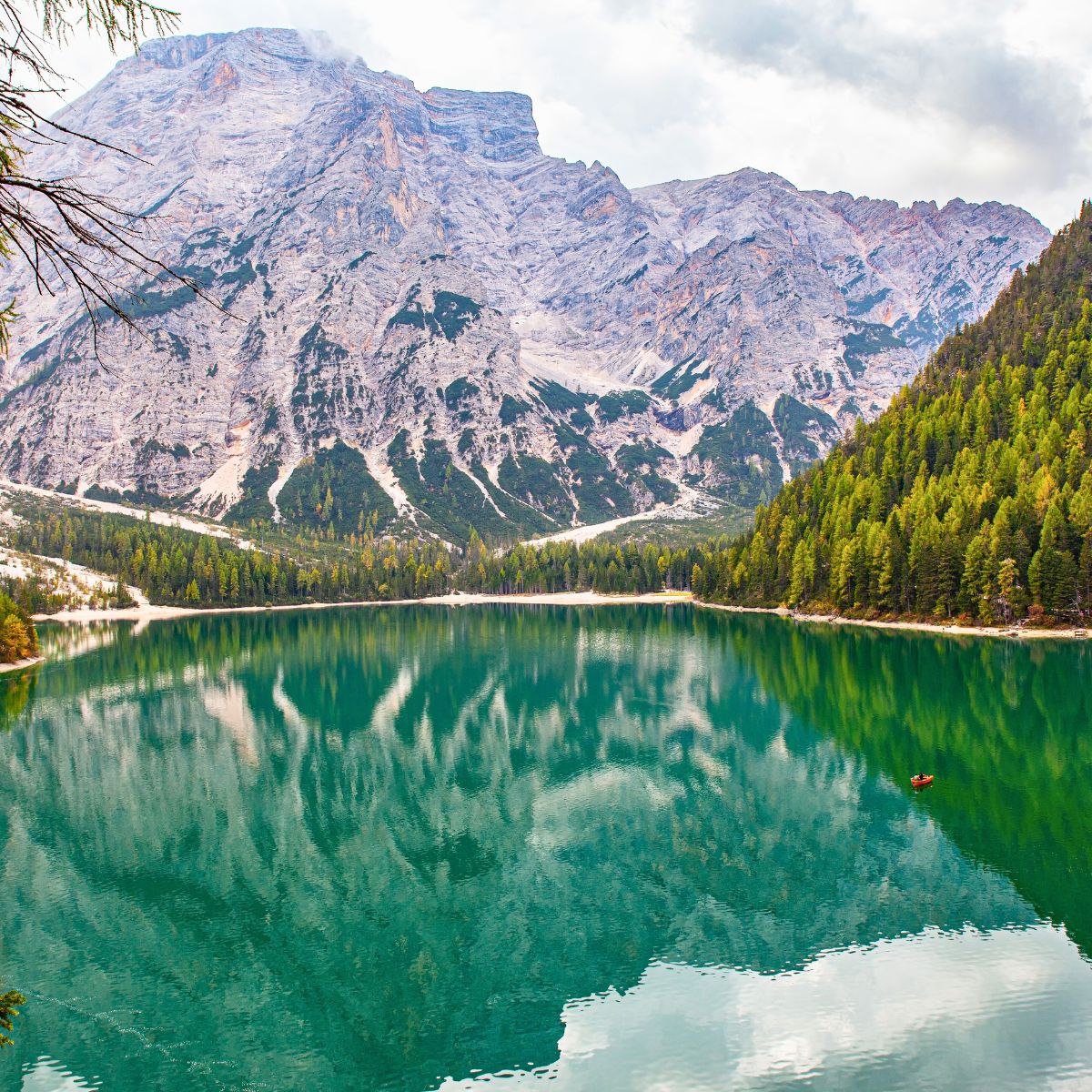
The first time I watched the enrosadira happen, I completely stopped walking. It was early evening on the path back from Tre Cime di Lavaredo, and the peaks turned from pale grey to deep rose to a burning, almost violent red. It lasts maybe ten minutes. Nobody warns you it's coming. You just look up and the mountains are on fire.
I had been to the Dolomites twice before that trip, but that evening cemented it. The Dolomites are unlike any other mountain landscape in Italy. They don't look like they belong here. The vertical towers of pale rock, the wide green meadows below, the rifugios serving canederli in steaming broth at 2,400 meters. It's a place that works in every season and rewards every kind of traveler, from serious hikers to spa-goers to people who just want to drive through a mountain pass with a good playlist and pull over every twenty minutes.
This guide has everything you need to plan your trip: the best areas to base yourself, where to stay, when to go, what to hike, what to eat, and the things nobody thinks to tell you before their first visit. I've been, I've hiked Tre Cime, I've eaten the Schlutzkrapfen, and I've watched the sun rise over Lago di Braies. Trust me on this one.
"The Dolomites don't ease you in gently. You round a bend on the road and suddenly they are just there, vertical and enormous, like nothing else in Italy."
How to Get to the Dolomites
The Dolomites sit in northeastern Italy, spanning the provinces of South Tyrol, Trentino, and Belluno. There's no single gateway, but the closest major airports are in Verona, Venice, and Innsbruck. From any of them, the mountains are roughly 2 to 3 hours by car.
The most practical airports are Venice Marco Polo (VCE), Verona Villafranca (VRN), and Innsbruck (INN) in Austria. Venice and Verona are the easiest options for most travelers flying from the US or UK. Bologna is also an option if your base is in the south of the region.
Train connections into the Dolomites are limited. Bolzano is the main rail hub and connects to Verona and the Italian rail network. From Bolzano you can take regional buses into the valleys. For flexibility, pair a train to Bolzano with a rental car from the station.
A rental car is the best way to arrive and explore. The drive from Venice takes around 2.5 hours. From Verona it's roughly 2 hours. The A22 Brenner motorway runs through the region. I always pick up a car at the airport and drive directly in. It gives you total freedom from the moment you land.
If you'd rather not drive, a private transfer from Venice or Verona airport to your hotel is a comfortable, stress-free option. Particularly useful if you're arriving late or with a large group. Daytrip is my go-to for professional drivers and flat rates into the mountains.
Best Time to Visit the Dolomites
The Dolomites have two distinct peak seasons: summer for hiking, and winter for skiing. Both are excellent. The shoulder periods, particularly September and early October, are genuinely special and far less crowded than you'd expect for such beautiful conditions.
Dolomites by Season: What to Expect
How Many Days in the Dolomites?
The valleys are spread out and each one has its own character. Rushing through in two days means you'll see the peaks through a car window. Give yourself time to actually stop and go up into them.
- 3–4 days: A focused introduction. Enough time for Tre Cime, Lago di Braies, and one cable car ride. You'll see the highlights but won't have much time to slow down or explore a second valley.
- 5–6 days: The comfortable sweet spot for most visitors. Hike Tre Cime, visit Lago di Braies at sunrise, take the Seceda cable car, do a scenic drive through Passo Pordoi, and have a proper rifugio lunch.
- 7–8 days: Explore two base areas, drive the Great Dolomites Road, try a via ferrata, spend an evening in Cortina d'Ampezzo or a day in Bolzano, and still have time to sit on a terrace and do nothing for a few hours.
- 10+ days: The full experience. Base yourself in two different valleys, cover the eastern and western Dolomites, ski or hike the Sella Ronda circuit, and visit the Marmolada glacier.
Getting Around the Dolomites
This is where I will be very direct with you: rent a car. The Dolomites are vast, the valleys are separate, and having your own wheels is the difference between a great trip and a truly exceptional one.
A rental car is essential for getting the most out of the Dolomites. The scenic passes, including Passo Gardena, Passo Pordoi, and Falzarego Pass, are all accessed by road. Note that some passes are closed to private traffic in peak summer and replaced by shuttle buses. Check the current restrictions before you drive.
The regional Dolomiti Bus network connects towns across the valleys. It covers most key destinations including Cortina d'Ampezzo, Bolzano, and the main valley towns. The South Tyrol Pass covers buses and cable cars in one ticket. Useful as a backup, though schedules require planning.
Cable cars are how you access the high terrain without a multi-hour climb. The Seceda cable car from Ortisei, the Lagazuoi cable car at Falzarego Pass, and the Col Raiser cable car in St. Christina are among the most worthwhile. Buy tickets early in the morning to beat the queues.
The Dolomites have over 350 mountain rifugios connected by a vast network of marked trails. Many of the most rewarding experiences here are on foot. Good hiking boots with ankle support are essential. The terrain is rocky and the trails can be steep. Don't underestimate the altitude.
Best Areas to Base Yourself in the Dolomites
Choosing where to base yourself shapes your entire experience. The Dolomites are not a single destination but a series of distinct valleys, each with its own atmosphere, access points, and hotel scene. Here are the four areas I recommend most.
Val Gardena is my top recommendation for most first-time visitors. Base yourself in Ortisei and you have the Seceda cable car right on your doorstep, access to the Sassolungo and Sella massifs, and excellent hotels at every price point. The valley is well connected to Alpe di Siusi (the largest high-altitude meadow in Europe), and the Sella Ronda circuit runs right through here in both summer and winter.
Alta Badia, centered on the village of Corvara, is where the Dolomites get genuinely glamorous. This is where you'll find the Aman Rosa Alpina. The views of the Sella Group from the valley floor are extraordinary. The Sella Ronda circular ski route passes through here in winter, and the hiking in summer is among the best in the region. Smaller and quieter than Val Gardena, with a more refined atmosphere.
Cortina d'Ampezzo is the most famous Dolomites town, a proper resort with boutiques, good restaurants, and an international crowd. It's the host city for the 2026 Winter Olympics. It's also your best base for the eastern Dolomites, including Tre Cime di Lavaredo, Lago di Braies, and the Lagazuoi cable car at Falzarego Pass. More polished and busier than other bases, but hard to beat for access and atmosphere.
Val di Fassa feels more authentically local than the other bases. Base yourself in Canazei for easy access to Passo Pordoi, the Marmolada glacier (the highest point in the Dolomites), and the southern reaches of the Sella Ronda. The valley has a quieter pace, good mid-range hotel options, and direct access to some of the most dramatic high-altitude drives in the region.
Best Hotels in the Dolomites
The Dolomites have a genuinely exceptional hotel scene. From ultra-intimate mountain lodges to full-service alpine resorts with world-class wellness facilities, the standard here is high. These are the properties I recommend most, and the ones my clients keep coming back to.
No. 1 · Most Exclusive Address in the Dolomites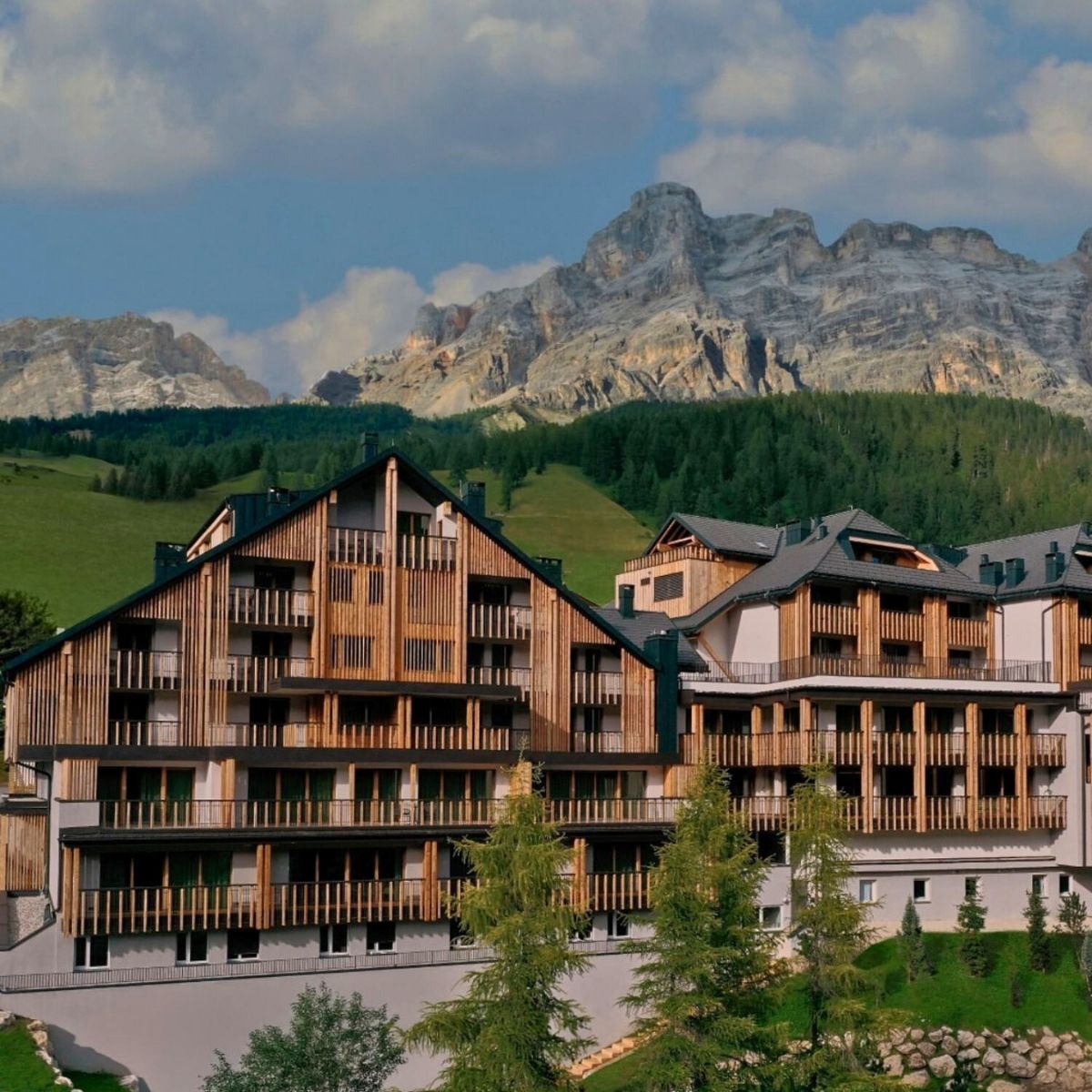 Top Pick
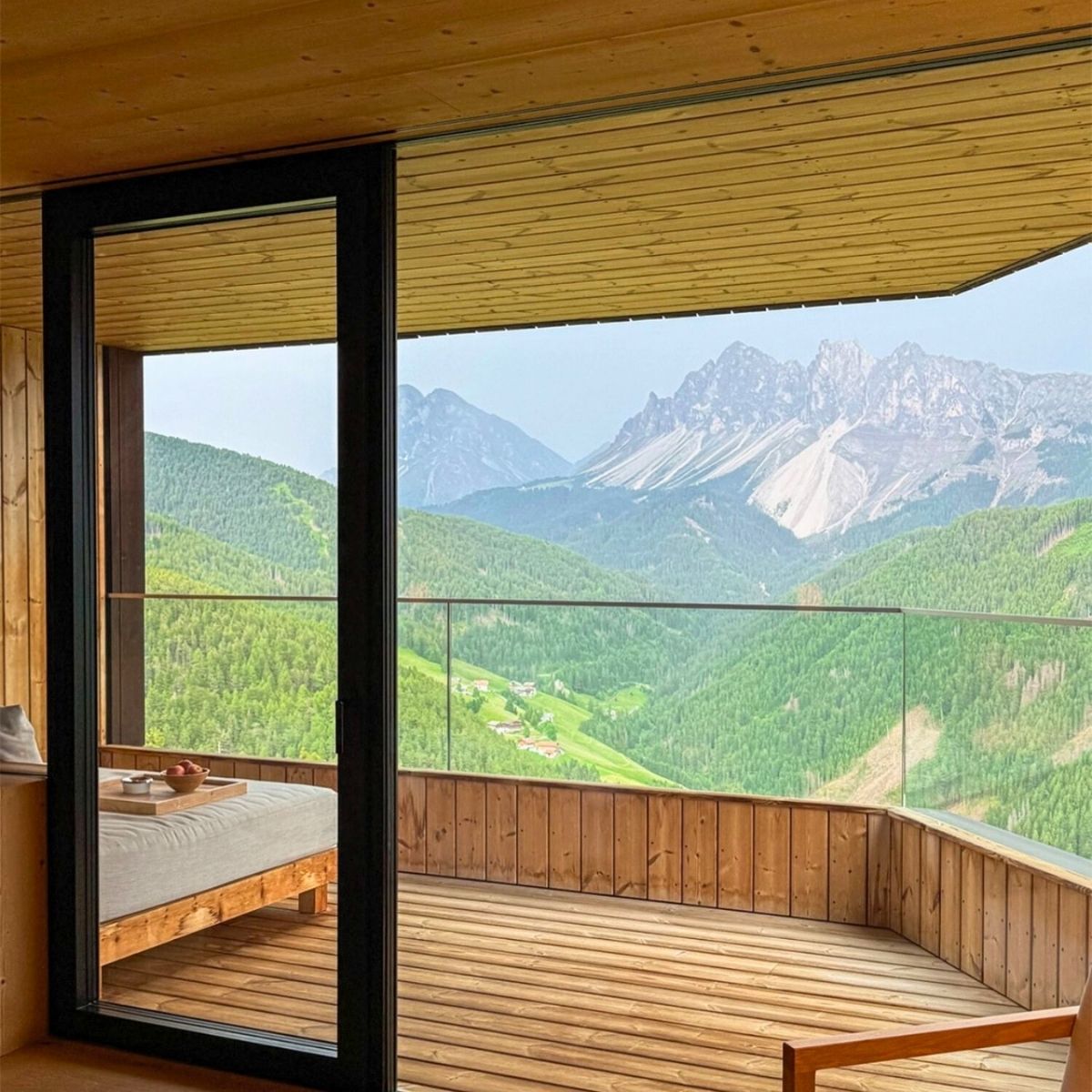 Adults Only
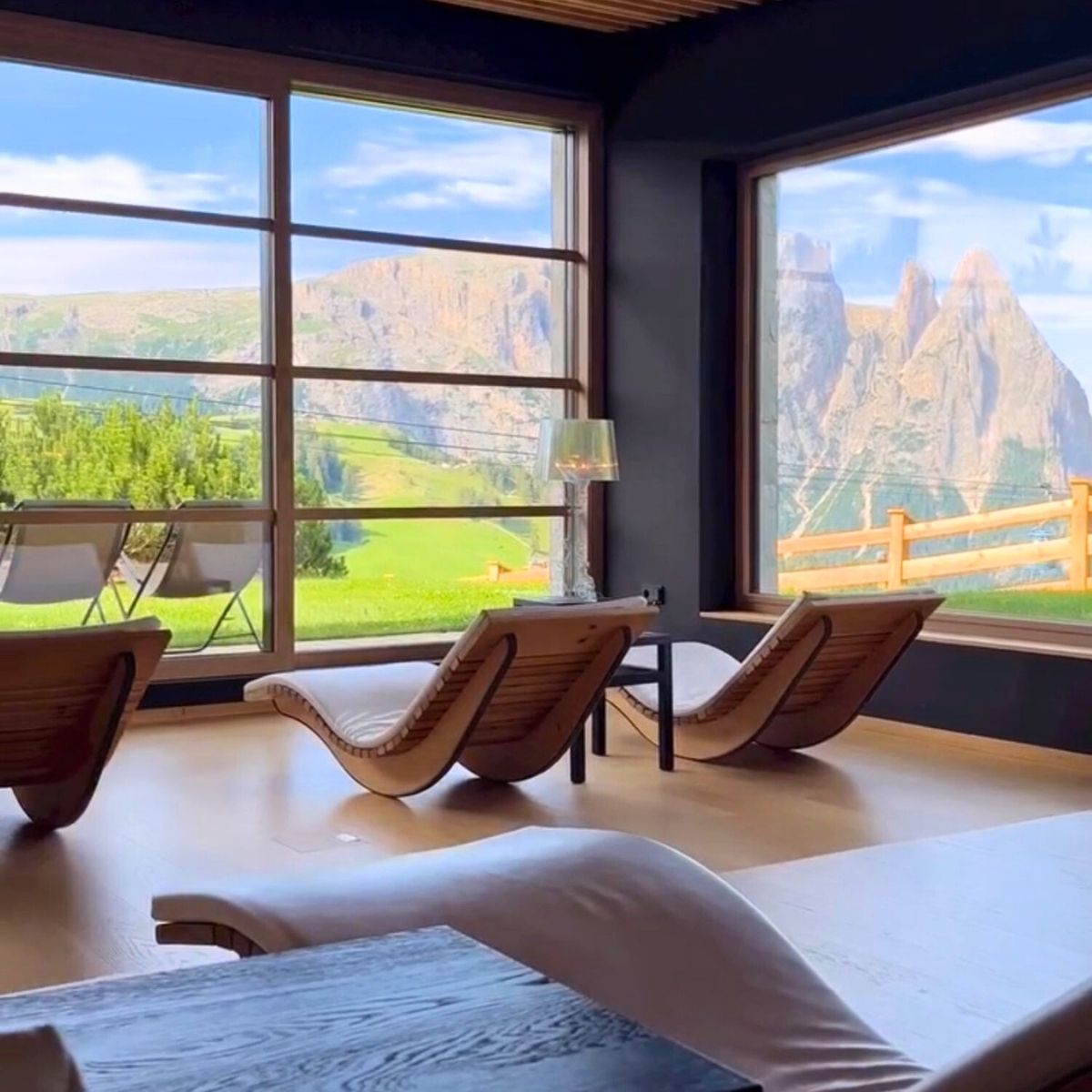 Mountain Views
More Outstanding Hotels in the Dolomites
The region has exceptional depth across every style and budget within the luxury tier. These properties are all personal recommendations, each with a specific reason to love them.
- Val di Ledro · South Tyrol Lefay Resort & SPA Dolomites A full-service wellness resort with a serious spa program, lake views, and the kind of tranquility that makes you want to cancel your flight home. The pool complex is one of the best in northern Italy.
- Merano · South Tyrol Miramonti Boutique Hotel A beautifully refined boutique property above Merano with panoramic views across the valley, warm alpine interiors, and a wellness offering that punches well above its size. An underrated gem in the South Tyrol hotel scene.
- Val Badia · South Tyrol My Arbor A sleek, design-forward adults-only hotel in the Plose area with an extraordinary treetop spa and minimalist rooms that frame the mountain landscape like living artwork. One of the most architecturally striking properties in the region.
- Lago di Braies · Pragser Wildsee Hotel Lago di Braies The only hotel on the shore of the emerald Lago di Braies, one of the most photographed lakes in the Dolomites. Waking up here before the day-trippers arrive is one of the best things you can do in the entire region. Book as early as possible as this property fills up a year in advance.
- Renon Plateau · South Tyrol Adler Lodge Ritten Individual log cabins perched on the Ritten plateau above Bolzano with private saunas, panoramic views, and a sense of total privacy. For couples who want their own mountain retreat without sacrificing service, this is exceptional.
- Val Pusteria · South Tyrol Sensoria Dolomites A modern wellness resort in the Pusteria Valley with an emphasis on biophilic design, forest bathing, and mountain therapies. The architecture is striking and the wellness program is among the most thoughtful in the region.
- Val Gardena · Selva Granbaita A warm and elegant family-run hotel in Selva di Val Gardena with direct ski access, a beautiful spa, and the kind of personal hospitality you rarely find at this level. Strong reputation for food and an ideal winter base.
- Val Passiria · South Tyrol Quellenhof Luxury Resort An enormous and beautifully run family resort in the Passeier Valley with multiple pools, a serious spa, and extensive sports facilities. One of the best family hotel experiences in the entire Alpine region.
- Val Casies · South Tyrol Lunaris Wellness Resort A refined wellness retreat in the quiet Val Casies with an indoor-outdoor pool complex, thermal baths, and a deeply restorative atmosphere. The valley setting is peaceful and the hotel delivers on every wellness promise.
- Val di Fiemme · Trentino Hotel Chalet Al Foss A beautifully run chalet hotel in the Val di Fiemme with warm wood interiors, a lovely spa, and a cozy atmosphere that makes it a perfect base for exploring the southern Dolomites. Excellent value for the quality delivered.
- Val Sarentino · South Tyrol Hotel Der Waldhof A beautifully calm retreat in the Sarentino Valley, surrounded by forest, with an exceptional wellness program and rooms that make excellent use of natural materials. Genuinely restorative and far from the tourist crowds.
- Val Senales · South Tyrol San Luis Lodges Individual wooden lodges in the Senales Valley with private outdoor hot tubs, saunas, and direct glacier views. One of the most romantic hotel experiences in the entire Dolomites region. Book well in advance.
- Alta Badia · San Cassiano Hotel Ciasa Salares A family-run five-star in San Cassiano, Alta Badia, with a superb wine cellar, warm Ladin hospitality, and access to the famous St. Hubertus restaurant (three Michelin stars) next door. One of the most beloved properties in the region.
- Val Gardena · Ortisei Sporthotel Sonne A well-positioned hotel in the centre of Ortisei with a strong spa, good food, and easy access to the Seceda cable car. A solid and reliable choice for those who want a full-service hotel in the heart of Val Gardena without the top-tier price point.
Top Things to Do in the Dolomites
The Dolomites reward the curious. You can fill a week entirely with hikes and never repeat a view. Here are the ten experiences I consider essential, the ones I tell every client to prioritize.
- 01Hike the Tre Cime di Lavaredo circuit. The 10km loop around the three distinctive towers of Tre Cime is the most rewarding hike in the Dolomites. Start from Rifugio Auronzo (reachable by road) and walk the full circuit, passing Rifugio Lavaredo and Rifugio Locatelli. Go early to avoid the crowds. Book parking or the shuttle bus in advance for summer visits.
- 02Arrive at Lago di Braies before 8am. The emerald Lago di Braies is one of the most photographed spots in Italy. The trick is timing. Get there before 8am and you'll have the turquoise water and the surrounding peaks almost to yourself. After 9am it's crowded. The rowing boats on the lake are a lovely way to spend an hour.
- 03Take the Seceda cable car from Ortisei. The Seceda ridge in Val Gardena has one of the longest and most dramatic ridgelines in the Dolomites. Take the cable car from Ortisei up to 2,450 meters and walk along the ridge with the Odle peaks on one side and the valley floor far below. The views are extraordinary and the hike itself is manageable for most fitness levels.
- 04Walk across Alpe di Siusi. Alpe di Siusi (Seiser Alm) is the largest high-altitude meadow in Europe, sitting at around 1,800 meters above sea level with the Sassolungo and Sella Group visible from almost every angle. In summer it's covered in wildflowers. In winter it becomes one of the finest cross-country skiing areas in the Alps. Take the cable car from Ortisei or drive up in the morning before the road closes to traffic.
- 05Drive or cycle the Sella Ronda. The Sella Ronda is a circular route passing through four mountain passes around the Sella massif. In winter it's a legendary ski circuit. In summer you can drive or cycle the route through Passo Gardena, Passo Pordoi, Passo Sella, and Passo Campolongo. Allow a full day to stop, take photos, and eat lunch at one of the pass-top rifugios.
- 06Take the Lagazuoi cable car at Falzarego Pass. The cable car at Passo Falzarego carries you up to 2,752 meters at Rifugio Lagazuoi. From the top you have a 360-degree panorama of the western Dolomites that is simply one of the best views I have ever seen from any mountain in Italy. The walk down through the WWII tunnels carved into the mountain during the First World War is fascinating.
- 07Try a via ferrata. The Dolomites were the birthplace of via ferrata, the iron-route climbing system developed during WWI for military access across the vertical faces. Today there are hundreds of routes ranging from beginner to expert. You need a harness, a helmet, and via ferrata set (all rentable locally). A guided half-day is a genuinely thrilling introduction even if you've never climbed before.
- 08Ski the Dolomiti Superski area. The Dolomiti Superski pass connects 12 ski resorts, over 1,200km of runs, and more than 450 lifts on a single ticket. It's one of the largest ski areas in the world and the quality of skiing across Val Gardena, Alta Badia, and Cortina is consistently excellent. Book ski school and equipment hire in advance for the Christmas and New Year period.
- 09Take a day trip to Bolzano. Bolzano is the capital of South Tyrol and one of Italy's most fascinating cities. Visit the South Tyrol Museum of Archaeology to see Otzi the Iceman, the 5,300-year-old mummy discovered in the Alps in 1991. Walk through the medieval old town, browse the market on Piazza delle Erbe, and drink a Gewurztraminer from a local enoteca.
- 10Eat lunch at a mountain rifugio. A rifugio lunch is one of the great pleasures of the Dolomites. After a morning hike, sit on a rifugio terrace with the peaks around you and order a bowl of canederli in broth. It doesn't matter which rifugio. Rifugio Locatelli near Tre Cime, Rifugio Lagazuoi, Rifugio Alpe di Tires. They all deliver that specific combination of physical tiredness and mountain contentment that you'll be describing to people for years.
Browse guided hikes, via ferrata experiences, Dolomites photography tours, ski lessons, and day trips from the major gateway cities. Use code TRAVELINGBALANCED5 for 5% off.
Where to Eat in the Dolomites
The food culture in the Dolomites is a genuine hybrid, Italian warmth with South Tyrolean substance. It is hearty, locally sourced, and deeply satisfying after a day in the mountains. Don't arrive expecting pasta carbonara. This is its own distinct cuisine and it rewards curiosity.
Mountain Rifugios and Local Restaurants
- Rifugio Locatelli (Drei Zinnen Hütte), the most dramatically positioned rifugio in the Dolomites, sitting directly below Tre Cime at 2,405 meters. Order the canederli in broth and eat it on the terrace with the towers above you.
- Rifugio Lagazuoi, at 2,752 meters at the top of the Lagazuoi cable car. The views from the terrace cover a huge sweep of the western Dolomites. Excellent for a soup and a plate of Speck before the walk down through the military tunnels.
- La Stua de Michil at Aman Rosa Alpina Michelin, the finest table in Alta Badia, with an intimate 30-seat dining room and a menu that takes local South Tyrolean ingredients seriously. Book well in advance. Even if you're not staying at the Aman, dinner here is a genuine occasion.
- St. Hubertus at Rosa Alpina Michelin ★★★, three Michelin stars in San Cassiano, Alta Badia. Chef Norbert Niederkofler's menu is built entirely around Alpine ingredients, local farmers, and the mountains themselves. One of the most remarkable meals you can have in Italy.
- Ciasa de Gahja in St. Martin in Badia, a warmly lit family restaurant serving traditional Ladin cuisine at its best. The schlutzkrapfen here are the best I have had anywhere in the region. Unpretentious and completely genuine.
South Tyrolean Specialties to Try
- Canederli (Knödel), large bread dumplings served in a clear meat broth. The definitive mountain comfort food of the Dolomites. You will eat these multiple times and they will be good every time.
- Schlutzkrapfen, South Tyrolean pasta parcels filled with spinach and ricotta, served with browned butter and Parmesan. Similar to ravioli but with a distinctly alpine character. Order them wherever you see them.
- Speck Alto Adige IGP, the region's cured ham, cold-smoked and aged in mountain air. Served in thin slices with local rye bread, it is one of the great simple pleasures of the Dolomites.
- Kasknodl (Cheese Dumplings), a variation on the canederli made with local mountain cheese. Richer and more filling than the broth version. Often served as a main course with sauerkraut.
- Apple Strudel, South Tyrol produces a large share of Italy's apples and the strudel here is made with genuine care. Order it warm with vanilla sauce in any traditional restaurant and it is a completely different thing from what you'll find elsewhere.
- Alto Adige wines, the region produces some of Italy's best white wines. Gewurztraminer from the Tramin area is aromatic and distinctive. Pinot Grigio here is crisper and more mineral than you expect. Lagrein is the local red, earthy and full-bodied. Ask for local producers and you won't be disappointed.
Insider Dolomites Travel Tips
Book Lago di Braies at sunrise, not midday. This is the most important logistical tip I can give you for the Dolomites. Arrive at Lago di Braies before 8am. The lake is serene, the light is soft, and you can actually hear the water. After 9am it becomes extremely busy with day-trippers. The parking fills up and the atmosphere changes completely. Make it your first stop of the day.
Check pass closures before you drive. Some of the most scenic mountain passes including Passo Sella and Passo Gardena are closed to private traffic during peak summer hours and replaced by shuttle buses. The restrictions change by year. Before you drive, check the current Alto Adige Südtirol pass regulations online so you don't arrive at a barrier with a car full of luggage.
The enrosadira is real and worth planning around. The alpenglow phenomenon that turns the Dolomite peaks rose-red at sunset (and to a lesser degree at sunrise) is not consistent every evening. It's best seen on clear days without cloud cover. Position yourself somewhere with an unobstructed western view in the late afternoon and wait. Tre Cime, the Seceda ridge, and the Sella Group are all excellent viewpoints.
Rent a car at the airport, not in a mountain town. Car hire in the Dolomites is more expensive and less available than at the major airports. Pick up your car in Venice, Verona, or Innsbruck and drive in. This also gives you the pleasure of watching the landscape shift from flatlands to foothills to vertical rock faces over the course of an hour.
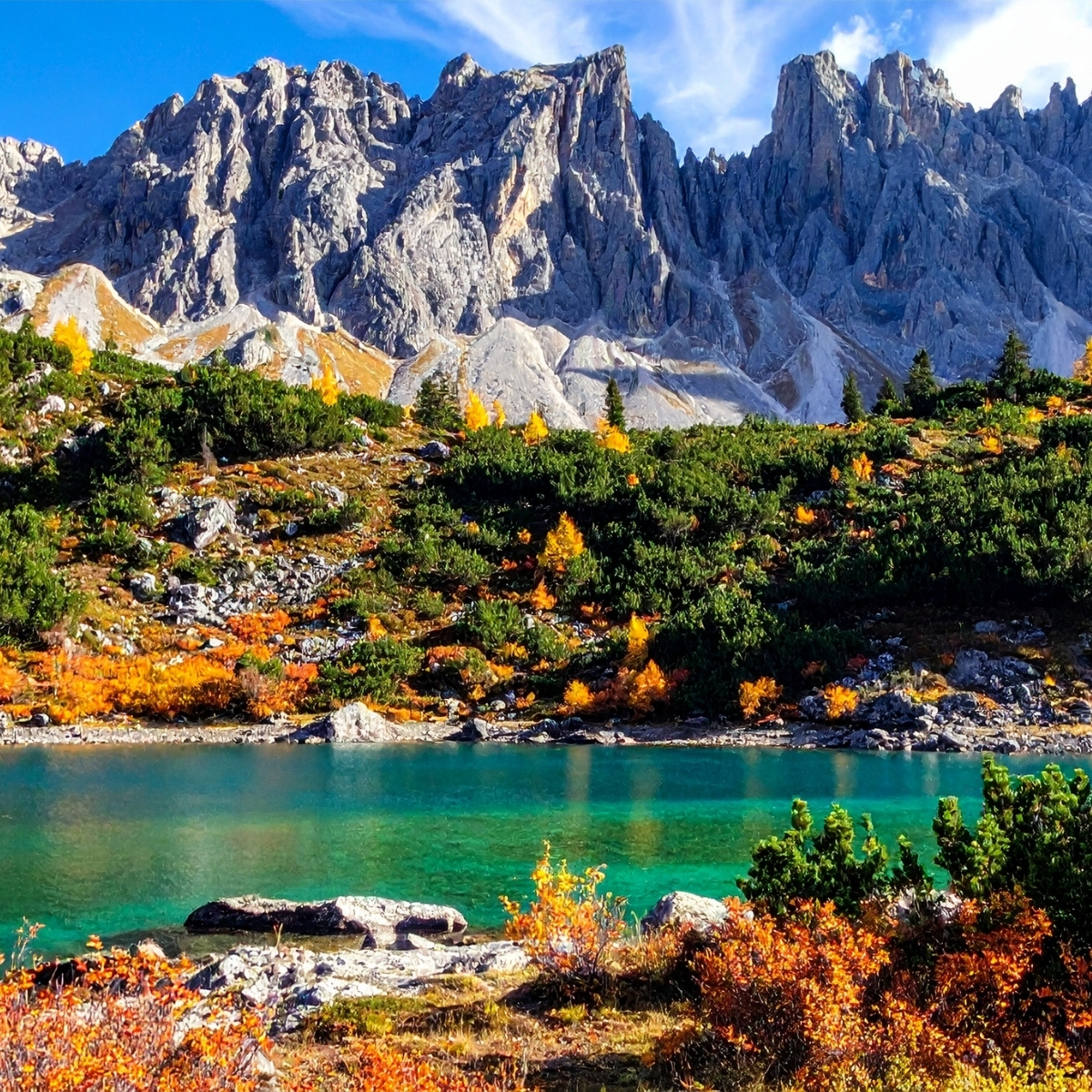
Book hotels in September for October visits. Fall in the Dolomites is genuinely special. The larch forests above 1,800 meters turn a deep golden amber in late September and early October. It's one of the most beautiful landscapes I have seen in Italy. But the good hotels fill up quickly. Book your September or early October trip at least 4 to 5 months in advance, especially if you're targeting Forestis, the Aman, or Hotel Lago di Braies.
Eat where the hikers eat. The best food in the Dolomites is often not in the valley restaurants, it's at the rifugios at altitude after a morning walk. The canederli hit differently when you're sitting at 2,400 meters with your boots off. Don't skip the rifugio lunch in favor of a restaurant in town. It's one of the distinctly Dolomites experiences that you can't replicate anywhere else.
Dolomites Travel FAQs
Everything you need to know before you go, from the best season to visit to whether you really need a car.
Summer (July–August) and early fall (September–October) are the best times. In summer all trails and cable cars are open, the wildflowers are at their peak across Alpe di Siusi, and you get long days of hiking light. September is my personal favorite: the larch forests turn golden amber, the crowds thin significantly, and the light has a quality that is hard to describe. Winter is excellent for skiing the Dolomiti Superski area. Spring is beautiful but confirm trail access before booking as many high passes don't reopen until June.
A minimum of 4 to 5 days gives you time to hike Tre Cime, visit Lago di Braies at sunrise, and take a cable car up to the high terrain. With 7 days you can explore two valleys, drive through the mountain passes, do a via ferrata, and have a proper rifugio lunch. For the full experience and the chance to base yourself in two different areas, 10 days is ideal. The Dolomites are large and each valley deserves time.
Val Gardena, based in Ortisei, is the best all-around base for most visitors. You have the Seceda cable car, Alpe di Siusi, and easy access to multiple valleys. Alta Badia in Corvara is ideal if you want the Aman Rosa Alpina and a more exclusive atmosphere. Cortina d'Ampezzo is the right base for the eastern Dolomites including Tre Cime and Lago di Braies. Val di Fassa in Canazei is good for families and the Marmolada glacier area. If you have 7 days or more, I'd recommend basing yourself in two different areas.
Yes, I strongly recommend renting a car. The Dolomites are spread across multiple valleys and a car gives you the freedom to drive the scenic passes, reach trailheads independently, and move between areas at your own pace. Some passes are closed to private traffic in peak summer and replaced by shuttles, so check restrictions in advance. The Dolomiti Bus network covers major towns but requires more planning and limits your spontaneity considerably. Pick up the car at the airport and drive in from Venice or Verona.
The food in the Dolomites blends Italian and South Tyrolean tradition in a way that is genuinely distinctive. Order canederli (bread dumplings in broth) at every rifugio you visit. Try Schlutzkrapfen, the South Tyrolean pasta filled with spinach and ricotta. Eat Speck with local rye bread before dinner. Try Kasknodl (cheese dumplings) and order apple strudel warm with vanilla sauce for dessert. For wine, ask for local Alto Adige bottles. Gewurztraminer, Pinot Grigio, and Lagrein are all worth exploring.
Absolutely. The Dolomites in winter are one of Europe's great ski destinations. The Dolomiti Superski pass connects 12 resorts across more than 1,200km of runs. Val Gardena and Alta Badia are the most popular ski areas. Hotels are warm, rifugios serve hearty food, and the peaks under snow are as dramatic as any time of year. The Christmas markets in Bolzano and Ortisei are also excellent. Just book well in advance for the December and New Year period as the best hotels fill up months ahead.
Dolomites Travel Guide Summary
- Best Time to VisitJuly–August for hiking · September for larch color and fewer crowds · December–March for skiing
- Recommended Stay5–6 days minimum · 7–8 days to explore two valleys · 10+ days for the full experience
- Must-See SpotsTre Cime di Lavaredo · Lago di Braies · Seceda ridge · Alpe di Siusi · Passo Pordoi · Bolzano
- Best HotelsAman Rosa Alpina · Forestis · COMO Alpina Dolomites · Hotel Lago di Braies · Adler Lodge Ritten
- Getting AroundRent a car. Essential for the passes, trailheads, and valley-to-valley flexibility
- Must-EatCanederli in broth · Schlutzkrapfen · Speck · Kasknodl · Apple strudel · Alto Adige Gewurztraminer
- Book in AdvanceHotel Lago di Braies (fills up a year out) · Aman Rosa Alpina · Forestis · Rifugio Auronzo parking
- VIP Hotel PerksBook hotels through me for complimentary breakfast, upgrades & resort credits at no extra cost
Quick Travel Resources
Everything I personally use and recommend to make your Dolomites trip smoother, from booking tools to travel essentials.
I book Dolomites hotels on your behalf with complimentary upgrades, breakfast, and resort credits, at no extra cost to you.
Book With Me →The travel insurance I use myself. Covers trip cancellations, medical emergencies, lost luggage, and delays. Essential for mountain trips.
Get a Quote →Browse guided Dolomites hikes, via ferrata experiences, photography tours, ski lessons, and day trips. Use code TRAVELINGBALANCED5 for 5% off.
Browse Dolomites Tours →Another excellent source for Dolomites guided hikes, private tours, and transfers from Venice or Verona into the mountains.
Browse Experiences →My go-to for private airport transfers from Venice or Verona directly to your Dolomites hotel. Professional drivers and flat rates.
Book a Transfer →My curated travel essentials: hiking gear recommendations, packing cubes, trekking poles, portable chargers, and everything I actually travel with.
Shop Now →My best-selling destination guides for the Amalfi Coast, Capri, Sicily, and more, with hotels, restaurants, beach clubs, and insider tips.
Shop Guides →Let me plan your entire Italy trip, hotels, transfers, tours, and every detail handled for you. Start with a planning call or go straight to the full VIP itinerary service.
Learn More →Final Thoughts: Planning Your Dolomites Trip
If I could give you one piece of advice, it's this: go in September. The larch forests above 1,800 meters turn from green to a deep, warm amber gold in the last two weeks of September. The trails are quieter than in August. The light is extraordinary. The rifugios are still open. And you'll have the evening enrosadira practically to yourself on a clear evening above Ortisei or Corvara.
Book your hotels early. The best properties in the Dolomites, particularly Forestis, the Aman Rosa Alpina, and Hotel Lago di Braies, fill up fast, sometimes a year in advance for peak weeks. Rent a car at the airport rather than waiting until you arrive. And leave room in your itinerary for the things you can't plan: an unexpected clear morning at Tre Cime, a rifugio table that turns into a three-hour lunch, a mountain pass with no traffic and the whole sky to yourself. The Dolomites are full of those moments. You just have to show up.
More Italy Resources
Everything you need to plan the rest of your Italy trip, from itineraries to the best hotels across the country.